

What Is Corrugated Conduit and How Does It Protect Cables?
Table of Contents
- Understanding Corrugated Conduit
- Materials and Construction
- Types of Corrugated Conduit
- Choosing the Right Conduit
- Applications
- Ratings, Standards and Compliance
- Installation Best Practices
- Comparison to Alternatives
- Performance and Durability
- Pricing and Buying Considerations
- Buying Guidance for Electricians
- Product Videos
- What Sparky Direct Customers Say
- Quick Summary (TL;DR)
- Frequently Asked Questions about Corrugated Conduit
Understanding Corrugated Conduit
What Corrugated Conduit Is
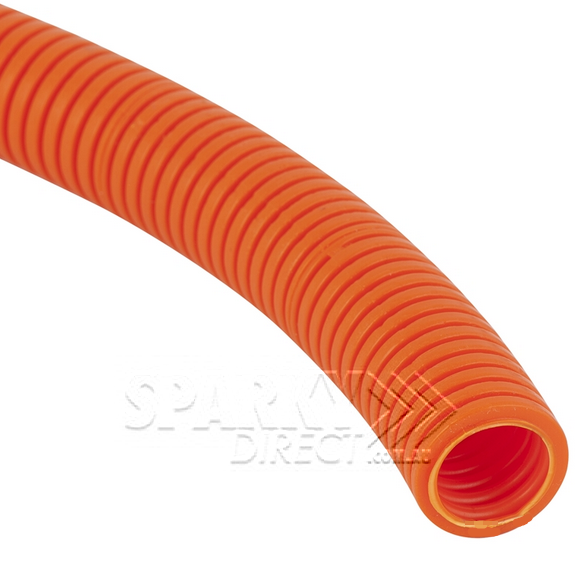
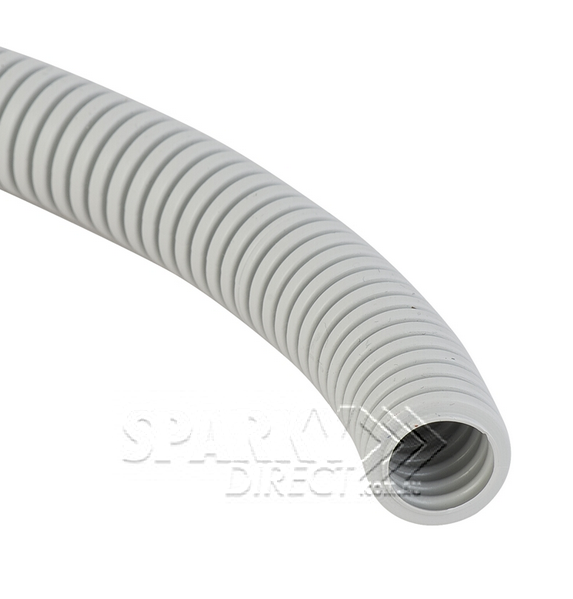
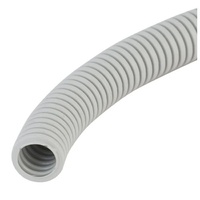
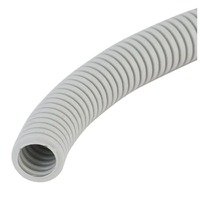
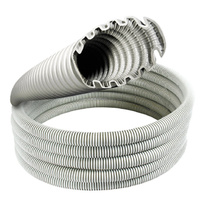
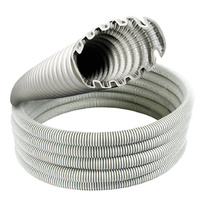
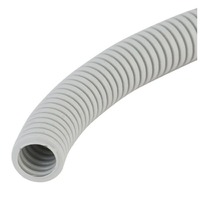
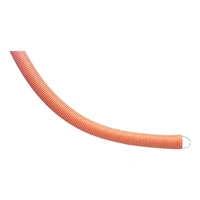
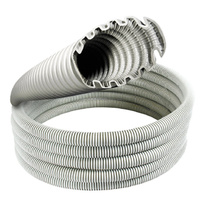
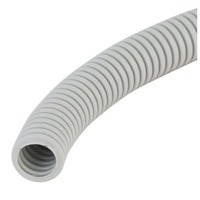
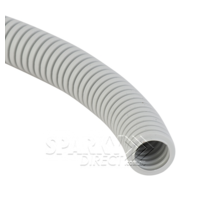
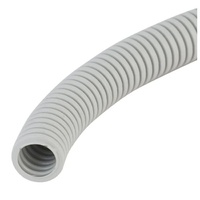
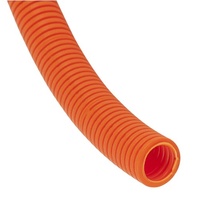
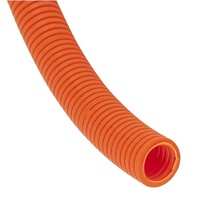
Corrugated conduit is a flexible plastic tube with a rippled, accordion-style wall. The corrugations let the conduit flex sharply without kinking or collapsing. Inside the tube, cables run protected from screws, hammers, foot traffic, dust, and minor moisture. On most Australian sites it is colour-coded: orange for electrical mains and sub-mains, grey for communications and data, and white for some specialty applications.
How Corrugated Conduit Works in Cable Protection
The ribbed structure does two jobs at once. The outer ridges resist crushing and abrasion, while the gaps between ridges let the tube bend tightly around studs, beams, and roof trusses. Cables are pulled or pre-loaded into the tube, then the run is fixed to the building structure with conduit saddles or clips. At each end the tube terminates into a fitting, gland, or junction box.
Corrugated Conduit vs Rigid Conduit
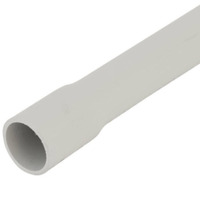
Both products protect cables, but they suit different jobs. Corrugated bends by hand, with no heat tool. Rigid conduit needs a bender or sweep bend at every change of direction, but offers higher mechanical protection and a tidier finish on exposed runs. Many sites use both: rigid where the conduit is visible, corrugated where it is concealed in walls, ceilings, and roof spaces.
Why Corrugated Conduit Is Used in Electrical Installations
Speed is the main reason. A spark can run a long flex of corrugated through a stud wall in a fraction of the time it takes to bend rigid PVC. The tube is light, easy to cut with side cutters or a saw, and inexpensive per metre. It also handles the tight, awkward routes that rigid conduit cannot.
Materials and Construction
Polyamide (Nylon) Corrugated Conduit
Nylon corrugated conduit is used in machinery, automotive, and industrial applications. It resists oil, fuel, and many chemicals. Nylon also handles higher temperatures than PVC, which suits engine bays and hot industrial zones.
PVC and Polypropylene Options
PVC is the standard material for building wiring corrugated conduit in Australia. It is flame retardant, low cost, and easy to work with. Polypropylene appears in some specialty products where lower weight or different chemical resistance is needed.
Metallic Corrugated Conduit
Metal corrugated conduit (often called flexible metal conduit) provides high mechanical protection and EMI shielding. It is used around motors, switchboards, and industrial control panels where plastic is not robust enough.
How Ribbed Structure Improves Flexibility and Strength
The corrugations act like the bellows on a vacuum hose. Each rib carries some of the crushing load, so the wall does not collapse when stepped on or compressed. The valleys between ribs allow the tube to bend without buckling. This combination is why a thin-walled corrugated tube can outperform a thicker, smooth-walled flex of the same diameter.
Types of Corrugated Conduit
Single-Wall vs Double-Wall Conduit
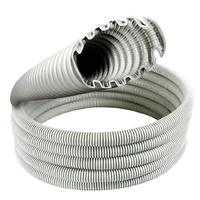
Single-wall conduit has one corrugated layer. It is light and flexible, and it suits indoor wiring runs at low risk of impact. Double-wall conduit has a smooth inner liner inside the corrugated outer wall. The smooth inner makes cable pulling easier on long runs, and the extra wall improves crush resistance for buried or outdoor work.
Slit vs Unslit Conduit
Unslit conduit is a closed tube. Cables are threaded through the ends. Slit conduit has a lengthwise opening, so cables can be loaded along the side. Slit is common in automotive, machine, and retrofit work where the cable is already in place.
Heavy-Duty vs Light-Duty Conduit
Heavy duty corrugated conduit has thicker walls and a higher crush rating, suited to direct burial, concrete slabs, and zones with foot or vehicle traffic. Light duty conduit is the standard choice for concealed building wiring where impact risk is low.
Conduit for Underground and Outdoor Use
Underground runs need conduit rated for direct burial. The wall must resist crushing under backfill and stay flexible at low temperatures. Outdoor runs above ground need UV resistance, since standard PVC degrades in direct sun over time. Always check the printed rating on the conduit before specifying it for an external job.
Choosing the Right Corrugated Conduit
Matching Conduit Size to Cable Capacity
Conduit size is measured by nominal outside diameter: 16mm, 20mm, 25mm, 32mm, 40mm, and 50mm are the common Australian sizes. The chosen size must allow easy cable pulling, leave room for additional cables later, and meet the fill rules in AS/NZS 3000. As a rough working rule, a 25mm conduit suits two or three TPS cables, while a 32mm tube is sized for sub-mains or larger bundles.
Environmental Considerations (UV, Moisture, Chemicals)
Choose a conduit rated for the environment. UV resistance matters for any exposed run. Chemical resistance matters in workshops, dairies, and marine work. Moisture resistance is built into all PVC conduit, but the connections at junction boxes and glands are where water entry usually happens, not the tube itself.
Mechanical Protection and Load Requirements
Match the duty rating to the risk. Concealed wall and ceiling runs use medium duty. Concrete slab and direct burial runs need heavy duty. If the conduit will be stepped on or driven over, heavy duty with extra mechanical protection is the safer call.
Common Selection Mistakes to Avoid
Undersized Conduit
- Cables jam during pulling
- Future cables cannot be added
- Heat dissipation suffers
Wrong Colour Code
- Orange is for electrical mains
- Grey is for communications
- Mixing colours fails inspection
Missing UV Rating
- Standard PVC fails in direct sun
- Conduit becomes brittle within years
- Specify UV grade for exposed runs
Light Duty in High-Risk Areas
- Crushed under traffic
- Damaged by tools or fixings
- Use heavy duty for slab and burial
Applications of Corrugated Conduit
Residential and Commercial Construction
In houses and offices, corrugated conduit carries lighting and power circuits through stud walls, ceiling spaces, and roof voids. It protects the cable during construction and gives a clear path for future replacements. Communications work uses grey conduit for data, phone, and TV cabling.
Automotive and Transport Wiring
Vehicles, trailers, and caravans use slit nylon corrugated conduit to bundle wiring looms. The flexible tube keeps cables together, shields them from heat and chafing, and lets the loom flex with the vehicle.
Industrial Machinery and Automation
Production lines, robots, and control panels rely on corrugated conduit to protect signal and power cables that move with the machine. Nylon and metallic options handle the temperature, oil, and abrasion typical in factories.
Underground and Infrastructure Projects
Heavy duty corrugated conduit is widely used for underground cable runs to sheds, pumps, lighting columns, and outbuildings. Pair it with conduit junction boxes at each end and ensure the trench depth meets AS/NZS 3000 requirements.
Ratings, Standards and Compliance
IP Ratings and Ingress Protection
The conduit itself is not assigned an IP rating in the same way enclosures are. Ingress protection is a property of the complete assembly: the conduit, the gland or fitting, and the box at each end. Use a sealed gland and a rated junction box to achieve the IP level required for the location.
Temperature Ratings and Thermal Performance
Standard PVC corrugated conduit is rated for use between roughly minus 5 degrees and plus 60 degrees Celsius. For roof spaces in northern Australia, where ambient temperatures can climb high, the conduit must still hold its shape and remain non-flammable in normal use.
Flame Retardancy and Fire Safety
Australian PVC corrugated conduit is manufactured to be self-extinguishing. The conduit will not propagate flame after the heat source is removed. This is a basic requirement for building wiring products under AS/NZS standards.
Compliance with AS/NZS 3000 and Related Standards
AS/NZS 3000:2018 (the Wiring Rules) sets the framework for cable protection in Australia. Corrugated conduit used for fixed electrical wiring must comply with the relevant product standards, and the installation must meet the wiring rules around mechanical protection, fill, and terminations. Always check the printed marking on the conduit and match it to the job.
Compliance check: Read the printed marking along the length of the tube. It identifies the standard, duty rating, and manufacturer. Conduit without a clear rating mark should not be used for fixed electrical wiring.
Installation Requirements and Best Practices
Sizing Conduit for Cable Bundles (Fill Capacity)
Fill capacity is the percentage of the conduit cross-section that is filled by cables. AS/NZS 3000 sets the limit, which depends on the number of cables and the type of run. Lower fill makes pulling easier and helps cables shed heat. Plan for spare capacity, as adding circuits later through a fully filled conduit is rarely practical.
Selecting Fittings and Connectors
Corrugated conduit terminates into straight gland fittings at boxes and rigid conduit junctions. The gland threads onto the corrugations and seals the connection. Match the gland size to the conduit size. A 20mm gland fits 20mm conduit, a 25mm gland fits 25mm, and so on.
Routing and Supporting Conduit
Run the conduit along the natural path of the building structure. Avoid crossing other services where possible. Fix the conduit at regular intervals using PVC conduit saddles or clips. The wiring rules give specific spacing requirements based on conduit size and orientation.
Bend Radius and Handling Guidelines
Corrugated conduit bends easily, but it should not be bent so tightly that the corrugations close on themselves. A closed bend can pinch the cable inside and damage the insulation. As a working guide, the bend radius should be at least four times the conduit diameter. For a 25mm conduit, that means a minimum bend radius of around 100mm.
Cutting Tip
Cut corrugated conduit in the valley between ribs, not on top of a rib. Side cutters or a sharp utility knife give the cleanest cut. A clean cut helps the gland seat properly and seal against water.
Comparing Corrugated Conduit to Alternatives
Corrugated Conduit vs Rigid Conduit
Rigid conduit looks tidier on exposed runs and offers higher mechanical protection. Corrugated wins on speed, weight, and cost, especially on concealed runs through walls and ceilings. Most jobs use both products in different locations.
Corrugated Conduit vs Cable Tray and Trunking
Cable tray and trunking suit large bundles of cables on exposed industrial and commercial runs. They allow easier inspection and adjustment. Corrugated conduit is better for individual circuits, smaller bundles, and concealed runs where a tray is impractical.
Corrugated Conduit vs Liquid-Tight Flexible Conduit
Liquid-tight flexible conduit has a sealed outer jacket over the corrugated core. It is used where water and oil ingress must be excluded along the length of the tube, not just at the ends. Standard corrugated conduit relies on glands at each end for sealing, with the run itself not watertight along its length.
When to Use Each System
| System | Best For | Avoid When |
|---|---|---|
| Corrugated conduit | Concealed wiring, tight bends, fast rough-in | Heavy mechanical loads on exposed runs |
| Rigid conduit | Exposed surface runs, mechanical exposure | Long runs with many tight bends |
| Cable tray | Large bundles, industrial and commercial | Single circuits in residential walls |
| Liquid-tight flexible | Wet, oily, or washdown areas along run | Standard dry interior wiring |
Performance, Durability and Longevity
Mechanical Protection and Impact Resistance
Heavy duty PVC corrugated conduit handles direct foot traffic, slab pours, and most building site abuse. Light duty is fine for concealed runs but is not suited to areas where it could be crushed.
Resistance to UV, Moisture and Chemicals
UV-rated PVC handles years of direct Australian sun without becoming brittle. Standard non-UV PVC will degrade in direct sunlight and should stay concealed. PVC resists most acids and alkalis at normal building site concentrations but is attacked by some solvents and hydrocarbons, where nylon is the better choice.
Long-Term Reliability in Harsh Environments
Buried corrugated conduit, properly installed, lasts decades. The main failure modes are crushing during backfill, attack from tree roots through poorly sealed joints, and water entry at unsealed terminations. None of these are caused by the conduit itself, only by the installation around it.
Maintenance and Inspection
Concealed conduit needs no routine maintenance. Exposed runs benefit from a visual check during periodic switchboard inspections, looking for UV damage, mechanical damage, and signs of moisture at terminations. Spare fittings kept on the truck save return trips for minor repairs.
Pricing, Value and Buying Considerations
Corrugated Conduit Prices in Australia
Corrugated conduit is sold by the roll, typically in 10, 25, 50, or 100 metre lengths. Price per metre drops significantly with larger rolls. For a sparky running multiple jobs, the longer rolls offer the best value. For one-off DIY work, a shorter roll usually makes more sense.
Bulk Buying vs Individual Lengths
Buying full 50 or 100 metre rolls cuts the per-metre cost and reduces trips to the wholesaler. The trade-off is storage and the upfront spend. For larger jobs and ongoing trade work, bulk is the standard buy.
Cheap vs Premium Conduit Options
Budget conduit (NLS Budget Range and similar) handles standard residential and light commercial work at a sharp price point. Premium conduit (Clipsal Turbo, branded engineering grades) suits jobs where extra durability or specific compliance documentation matters. Both are compliant for their stated applications.
Trade Suppliers vs Retail Channels
Retail hardware stores carry short-roll consumer-grade conduit at higher per-metre prices. Trade suppliers stock the full range of duties, sizes, and bulk rolls at trade prices. For licensed work, trade supply also gives access to the matching range of fittings, glands, and accessories.
Fast Delivery and Availability
Sparky Direct ships corrugated conduit Australia-wide, with stock held across the common sizes and duties. Bulk rolls and budget options are typically available without lead time, which matters when a job needs to start tomorrow.
Practical Buying Guidance for Electricians
Matching Conduit to Project Requirements
Start with the cable: type, size, and number of conductors. From there, work out the conduit size that meets the fill rules with margin to spare. Then pick the duty rating based on where the conduit will run, and the colour based on the service it carries.
Common Buyer Mistakes to Avoid
Buying Tight on Size
- Cable pulling becomes a fight
- No room for spare circuits
- Step up one size where in doubt
Forgetting the Fittings
- Conduit without glands cannot terminate
- Order glands at the same time
- Match gland size to conduit size
Mixed Colour Codes
- Orange and grey have different roles
- Wrong colour fails inspection
- Confirm colour before ordering
Wrong Duty Rating
- Light duty in slab fails quickly
- Heavy duty in walls wastes money
- Match rating to the location
Planning Conduit Runs and Accessories
A complete conduit run needs more than the tube. Plan for saddles or clips at the recommended spacing, glands at every termination, junction boxes at every change in direction or branch, and conduit glue for any rigid sections joined to the corrugated. Buying the kit together avoids return trips.
Where to Buy Corrugated Conduit Online
Sparky Direct stocks corrugated conduit, fittings, and accessories from trusted brands including NLS Electrical Products, Clipsal, and TuffStuff Trade Solutions. Trade pricing applies on bulk orders, and stock ships across Australia.
Product Videos
Watch NLS 30188 | 20mm Corrugated Conduit Straight Gland video
Watch NLS 30189 | 25mm Corrugated Conduit Straight Gland video
Watch NLS 30313 | 32mm Corrugated Conduit Straight Gland video
What Sparky Direct Customers Say

I couldn't believe the difference in savings on both products compared to the prices from the biggest electrical products supplier that I had using. I'll keep using Sparkie Direct without hesitation.
Great product. Used on an outdoor light to flood. Easy able to connect flex and TPS. Purchase 2 spare for the next problem job. Inclusion of corri connection helpful
I use this distributor because they proved themselves to me time and time again. Great products, great service, and great prices
- Corrugated conduit is flexible ribbed tubing that protects cables from impact, abrasion, and the elements
- Orange is for electrical mains and sub-mains; grey is for communications and data cabling
- Common Australian sizes are 16mm, 20mm, 25mm, 32mm, 40mm, and 50mm nominal diameter
- Heavy duty suits direct burial and slab installations; medium and light duty suit concealed wall and ceiling runs
- Match the gland size to the conduit size at every termination, and respect the bend radius rule of four times the conduit diameter
- Buy in bulk rolls for ongoing trade work; budget brands handle standard residential and light commercial jobs at sharp prices
Shop Corrugated Conduit at Sparky Direct
Quality products in stock • Fast Australia-wide delivery • Competitive trade pricing
Browse Corrugated Conduit → Get Expert Advice →Corrugated Conduit Frequently Asked Questions
Does corrugated conduit help keep wiring organised?
Yes, it helps group and protect cables neatly within building structures.
Corrugated Conduit near me
Sparky Direct supplies corrugated conduit Australia-wide, offering reliable cable protection solutions with convenient delivery.
How is corrugated conduit delivered?
Corrugated conduit is securely packaged and delivered via standard courier services.
Can unused corrugated conduit be returned?
Unused products are generally eligible for return according to the seller’s returns policy.
What warranty applies to corrugated conduit?
Warranty coverage varies by manufacturer and typically covers defects in materials or workmanship.
Is corrugated conduit sold in different sizes?
Yes, corrugated conduit is available in various diameters to suit different cable requirements.
Should conduit selection be planned carefully?
Yes, choosing the correct size and type ensures proper cable protection.
Does corrugated conduit require maintenance?
Once installed correctly, it generally requires no maintenance.
Is corrugated conduit visible after installation?
It is usually hidden behind walls, ceilings, or other building materials.
Does corrugated conduit take up much space?
It has a compact profile suitable for concealed installations.
Is corrugated conduit lightweight?
Yes, it is lightweight and easy to handle on site.
Can corrugated conduit reduce cable wear?
Yes, it helps prevent cable damage caused by friction or movement.
Is corrugated conduit commonly used in homes?
Yes, it is frequently used in modern residential builds and renovations.
What is corrugated conduit?
A corrugated conduit roll is a flexible conduit that allows for easy installation and is commonly used in various applications, including above-ground and underground use. The medium-duty grey material is typically used for above-ground installations, while the heavy-duty orange material is required for underground installations.
Is corrugated conduit easy to work with?
It is easy to route and position during installation due to its flexible nature.
Why choose corrugated conduit instead of rigid conduit?
Its flexibility makes installation easier in tight or irregular spaces.
Does corrugated conduit protect cables from damage?
Yes, it helps protect cables from abrasion, impact, and movement.
Is corrugated conduit suitable for indoor use?
Yes, it is primarily used indoors, depending on product rating.
Can corrugated conduit be used in commercial projects?
Yes, it is widely used in commercial and light industrial applications.
Is corrugated conduit suitable for residential installations?
Yes, it is commonly used in residential electrical installations.
What materials are corrugated conduits made from?
They are typically made from durable plastic materials designed for electrical use.
Is corrugated conduit flexible?
Yes, its flexible design allows it to bend around corners and obstacles.
Is corrugated conduit suitable for electrical installations?
Yes, it is designed specifically for electrical cable protection and routing.
Does corrugated conduit comply with Australian standards?
Quality corrugated conduit is manufactured to meet relevant AS/NZS electrical and safety standards when used correctly.
What is corrugated conduit commonly used for?
It is commonly used to protect wiring in walls, ceilings, floors, and other concealed spaces.