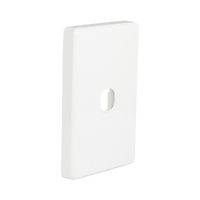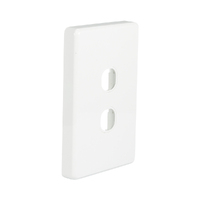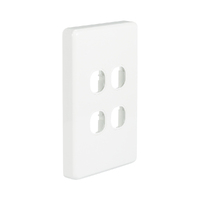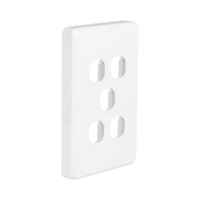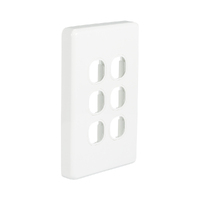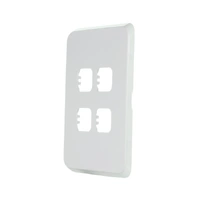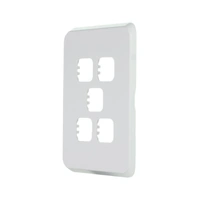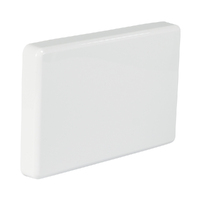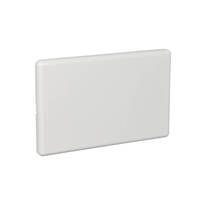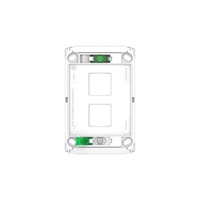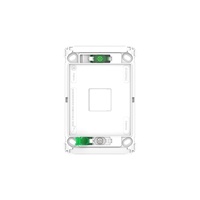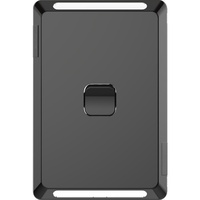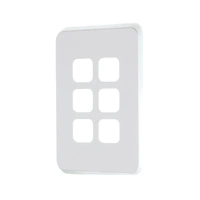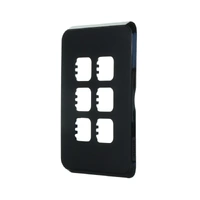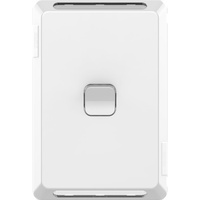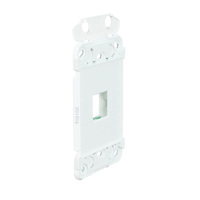

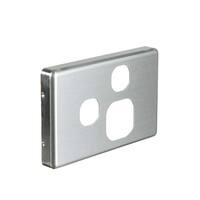

Cover Only
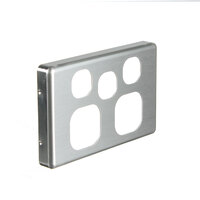
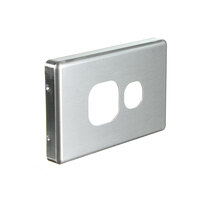
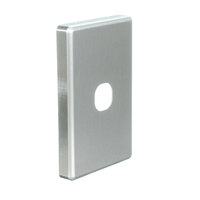
NLS 30559 | Single Power Point With Extra Switch Brushed Aluminium Cover
$1.83
$1.66 ex. GST
Search Results:
Search Results:
Electrical cover plates are the protective wall plates fitted to switches, power points, data outlets, media outlets, and blank wall boxes. They sit over the mechanism or grid and provide the final visible surface of the installation. A correctly fitted cover plate keeps users away from exposed electrical parts, reduces dust and debris entry, and gives the wall a tidy, finished appearance. Australian electricians, builders, maintenance teams, renovators, and informed retail buyers all rely on cover plates for both safety and presentation.
A cover plate is the outer face of a wired accessory. Some cover plates are decorative skins only, designed to clip over an existing mechanism. Others form part of a complete switch, power point, or blanking assembly that includes the grid and mechanism behind the face. Compatibility depends on brand, product range, gang size, plate shape, mounting system, and the type of mechanism underneath. A 4-gang Iconic skin will not fit a Saturn Zen grid, and a Pro Series cover will not seat on a Solis chassis. Always match the cover to the existing system before ordering.
Cover plates close off the wall box and keep the installation safe to touch. They prevent fingers, tools, dust, and debris from reaching the wiring or the live terminals of a mechanism. They also support compliance with AS/NZS 3000:2018 by maintaining the integrity of the enclosure. Any work involving fixed wiring, loose mechanisms, or damaged terminals should be handled by a licensed electrician. A missing or broken cover plate is a safety issue, not a cosmetic one, and should be replaced promptly.
Australian tradies and homeowners use several names for the same product. Common terms include cover plate, wall plate, switch plate, power point cover, outlet cover, blank plate, grid plate, skin, and fascia. Terminology varies by brand and range. Clipsal Iconic uses "skin" for clip-on covers. Pro Series uses "skin switch plate covers" for the same concept. The Trader and Hager ranges use "plate" or "cover plate" more generally. When checking a product page, the model number is the most reliable identifier.
Cover plates are grouped by what sits underneath them. Identifying the right type before browsing finishes or price helps avoid returns and incompatible orders. The main categories are switch plates, power point covers, data and media plates, blank plates, and weatherproof plates. Each type has its own cut-outs, mounting centres, and use cases.
Switch cover plates come in single, double, triple, quad, and multi-gang formats. Each gang corresponds to one switch position. Architrave switches use a narrow plate designed for tight wall sections near doors and hallways. Compatibility extends across rocker, toggle, push-button, dimmer, fan controller, and smart switch mechanisms, depending on the range. Clipsal Iconic, Saturn Zen, Solis, and the GSM Trader series each use their own grid and skin systems.
Power point covers fit single, double, quad, USB-integrated, smart, and combination outlets. The cover must match the outlet mechanism and brand range. A double GPO cover from one series will not fit another series, even when the outer dimensions look identical. USB power point covers and smart power point covers carry additional cut-outs for charging ports or indicator lights. Common use areas include homes, offices, workshops, kitchens, renovations, and maintenance replacements.
Data and media cover plates accept RJ45, coaxial, HDMI, telephone, and audio-visual modules. Combination plates mix power and data on a single face, which is useful in home offices, media rooms, retail counters, and commercial fit-outs. Data and phone accessories include the modules that seat into these plates, and cable entry plates handle tidy cable exits in custom installations.
Blank plates cover unused wall boxes, decommissioned outlets, spare switch positions, and future service points. They provide safe enclosure and a tidy finish where no mechanism is fitted. The Clipsal Iconic blank plate range and Pro Series blank grid plates offer matching finishes for mixed installations. Blanking off live wiring or altering a circuit must be completed by a licensed electrician.
Weatherproof cover plates protect outlets and switches in patios, garages, sheds, laundries, carports, and pool-adjacent areas. They typically include sealed flaps, gaskets, hinged in-use covers, or fully enclosed IP-rated housings. Ratings such as IP44, IP54, IP55, IP56, IP65, and IP66 indicate the level of protection against dust and water. Weatherproof GPOs and the Clipsal Iconic Outdoor range cover most external installations.
Cover plate sizing is not universal across brands or countries. A plate that looks similar on the shelf may use a different mounting centre, cut-out shape, or gang spacing. Australian electrical formats follow local installation practice and AS/NZS standards. Confirming the size and configuration before ordering is essential, especially when matching new plates to an existing range.
Standard cover plates run from single gang through to six gang on most ranges, with architrave and large-format options at the edges of the size range. Gang count refers to the number of switch, outlet, or mechanism positions on a single plate. A 3-gang switch plate holds three switch mechanisms. A 2-gang power point plate holds two GPO mechanisms. Power point plates and switch plates use different cut-outs, so an identical-looking 2-gang plate is not interchangeable between the two.
Multi-gang plates suit kitchens, open-plan living rooms, lighting zones, offices, meeting rooms, retail counters, and workshops. Grouping several switches or outlets behind one plate reduces wall clutter and gives a more deliberate look. The trade-off is that mechanism and frame compatibility must be exact. A mixed 4-gang layout combining switches and outlets needs a frame designed for that mix, not a generic 4-gang plate. The light switches category and the electrical power points category list current multi-gang options.
Brand and series compatibility matters more than overall dimensions. Clipsal Iconic, Clipsal Saturn Zen, Solis, Classic, Pro Series, HPM, Trader, Hager Allure, Hager Silhouette, Legrand Excel Life, and NLS Classic each use their own mounting systems. Most are not interchangeable. Check the model number on the existing mechanism, confirm the grid type and mounting centres, and order the cover from the same series. If the model number is missing, photograph the back of the plate and compare against current product listings before purchasing.
Cover plate materials and finishes affect how the plate handles impact, sunlight, cleaning, and high-use environments. The right material depends on the location: high-traffic rentals, commercial fit-outs, coastal homes, workshops, and premium renovations each have different requirements. Comparing materials by use case is more useful than comparing them by price alone.
Plastic cover plates use thermoplastics such as polycarbonate and ABS. They are affordable, impact-resistant, widely available, and easy to replace. Plastic suits most indoor residential installations and routine maintenance work. UV-stabilised materials are preferable in locations exposed to direct sunlight, where standard plastics can yellow over time. Plastic plates are the default for rental refurbishments and budget-led renovations.
Metal cover plates include aluminium, stainless steel, brushed metal, brass-look, and premium metallic finishes. They suit commercial settings, premium interiors, hospitality fit-outs, and high-impact areas such as workshops and warehouses. The brushed aluminium light switch covers range gives an industrial look without a full metal chassis. Metal-look finishes must still be part of an approved electrical accessory system. A loose metal skin over a damaged mechanism is unsafe.
White remains the default cover plate finish for Australian homes, rentals, maintenance work, and light commercial fit-outs. It blends with most wall colours, hides yellowing less obviously than coloured finishes in time, and is widely stocked across every major brand. White is not a single shade. Off-white, warm white, vivid white, gloss white, and matte white differ between ranges, and HPM white can look slightly different next to Clipsal Iconic Vivid White. When matching new plates to existing ones, order a single test piece first.
Modern cover plate styles include screwless, low-profile, clip-on skins, frameless, matte black, brushed metal, and designer ranges. The Clipsal Solis Collection and Solis T-Series sit at the premium end. Clipsal Saturn and Iconic Styl skins offer designer finishes with replaceable faces. The Trader Flat Cat slimline range gives a low-profile look at a working trade price point. Slimline plates project less from the wall, which suits feature walls and tight cabinetry.
Electrical accessories are layered. The mechanism performs the electrical function. The grid or frame holds the mechanism. The cover plate provides the visible finish. Understanding this structure helps distinguish cosmetic components from electrical ones and avoids buying a skin when a full assembly is required, or vice versa.
The mechanism is the working electrical part: the rocker, the GPO socket, the dimmer, or the data module. The grid is the metal or plastic frame that holds the mechanism and screws into the wall box. The cover plate is the outer face. Some ranges, such as Clipsal Iconic, sell the skin separately from the grid and mechanism. Others, including most HPM and Hager Allure products, sell complete assemblies. The Clipsal switch mechanisms page lists mechanism-only options, and switch mechanisms shows the broader mechanism range.
On a switch, the cover plate aligns with the rocker, toggle, push-button, dimmer knob, or fan controller of the mechanism beneath. The opening in the cover lets the user operate the switch, while the rest of the plate encloses the wall box. Different switch styles require different cover openings. A push-button mechanism uses a small round cut-out. A rocker uses a wide rectangular opening. A dimmer rotary uses a round opening sized for the knob. Skin-only covers are available for many of these formats in matching colours.
Cover plates serve four purposes in wiring: safety, compliance, dust protection, and presentation. They keep users away from terminals, support enclosure integrity, reduce dust ingress, and finish the wall surface. They also support future-proofing. A cover plate over a blanked-off box leaves provision for adding an outlet later without recutting the wall. Renovators often replace cover plates to refresh a room without changing the underlying electrical range, which is faster, cheaper, and reduces the work a licensed electrician needs to perform.
Outdoor, wet, and high-use installations need cover plates rated for the conditions. Trade users on commercial sites, maintenance teams in rentals, and electricians installing outdoor GPOs all face conditions standard indoor plates were not designed for. Choosing a rated plate is part of compliant installation, not an upgrade option.
Weatherproof cover plates differ from standard indoor plates in several ways. They use sealed flaps, gaskets, hinged covers, or fully enclosed in-use housings. The enclosure protects against dust, water spray, and weather. The whole assembly must be rated for the location, not just the cover. A weatherproof skin on a non-weatherproof mechanism is not compliant. Weatherproof GPOs ship as complete rated assemblies for outdoor use, with the cover, gasket, and mechanism all certified together.
Durable cover plates use impact-resistant plastics, metal faces, UV-stabilised materials, and chemical-resistant coatings. They suit workshops, schools, rental maintenance work, offices, retail spaces, warehouses, and service areas. Tamper-resistant fixings reduce vandalism in public spaces. Easy-swap skins reduce maintenance time when replacing damaged covers without disturbing the wiring. The Pro Series and Trader ranges focus on the trade-grade end of the market.
Outdoor, wet area, and dusty environment installations are covered by AS/NZS 3000:2018. Many require IP-rated fittings and RCD-protected circuits. Pool zones, bathrooms, and external walls all have specific compliance requirements that depend on the distance from water sources and the exposure level. A licensed electrician should assess the location, the zone classification, and the required IP rating before installation or replacement of an outdoor cover plate.
The right cover plate balances price, compatibility, finish, stock availability, and project volume. A practical decision framework saves time: identify the existing range first, then choose finish, then check stock and pricing. Trying to mix series or save a few dollars on an incompatible plate is the most common cause of returns and rework.
Residential cover plate choice starts with the existing electrical range. Match the new plate to what is already installed, then choose the finish that suits the room. Standard white plates suit everyday installations in bedrooms, hallways, laundries, and rumpus rooms. Slimline and designer finishes suit visible locations such as kitchens, living areas, entries, and feature walls. The Clipsal Iconic power point range and Iconic switches and dimmers are common defaults for new Australian homes.
Value is not only the lowest unit price. Compatibility, compliance, warranty, and stock availability all affect total project cost. Cheap imported cover plates without Australian certification can fail to fit local mechanisms, fail compliance checks, or lack any warranty support. Buying compliant plates from established Australian electrical suppliers is cheaper than rework. Standard white plastic plates from Clipsal, HPM, and NLS sit at the lower end of the price range while remaining compliant.
Bulk orders for project work need batch consistency, spare stock, common configurations, and matching finishes across the order. White can shift slightly between production batches, so ordering a full project in a single batch is good practice. Online electrical wholesalers support trade-style ordering with consistent stock, fast dispatch, and clear product codes. Common bulk configurations include single and double switch plates, double GPO plates, and matching blank plates for unused boxes.
Practical comparison points include range depth, visible pricing without an account, dispatch speed, support availability, compliance documentation, and bulk ordering options. Sparky Direct lists prices on the public site, stocks cover plates across Clipsal, HPM, Hager, Legrand, NLS, and Trader, ships Australia-wide, and supports trade buyers without minimum order requirements. Comparison against other suppliers is best made on the specific configuration needed, not on the supplier in general.
Cover plate replacement sits between cosmetic work and electrical work depending on what lies beneath. Clip-on skins on an already-installed mechanism are usually a cosmetic task. Any work that disturbs the mechanism, grid, or wiring is electrical work and must be performed by a licensed electrician under Australian law.
Cover plate replacement at a high level involves isolation of the circuit, compatibility checks, secure fitment, and visual inspection. Any work involving fixed wiring, loose mechanisms, damaged outlets, signs of heat damage, or uncertain conditions must be performed by a licensed electrician. Step-by-step wiring instructions are not provided here, as DIY electrical work on fixed wiring is illegal in all Australian states. Replacing a damaged plate with the same model is straightforward for a licensed sparky.
Some clip-on skins and cosmetic covers can be changed without accessing wiring, when the underlying mechanism is already safely installed and the change does not disturb any electrical components. Clipsal Iconic skins, Iconic Styl skins, and Pro Series skin plate covers are designed for this kind of cosmetic swap. Laws and practical safety requirements vary by jurisdiction. Any uncertainty about whether a swap is purely cosmetic should be referred to a licensed electrician.
Replacing cover plates is a fast renovation upgrade. A house with standard white plates can be refreshed to anthracite, silver shadow, or vivid white skins across an afternoon, without changing any mechanisms or rewiring any outlets. This is the use case the Iconic skin range was built for. The Iconic skin switch plate covers and Iconic Styl skin power point plate covers categories list the available finishes for cosmetic refresh work.
The most common cover plate ordering mistakes come from skipping a compatibility check before ordering. Each of the issues below appears in returns and rework regularly, and each is avoidable with a single check at the point of order.
Club Clipsal is Australia's largest electrician community offering trade rewards, business support, and exclusive benefits. When you nominate Sparky Direct as your preferred wholesaler, we automatically apply your Clipsal spend points to your Club Clipsal account daily. Cover plate orders across the Iconic, Solis, Saturn, Pro Series, and Classic ranges all count toward your tier progression.
Entry-level offering coaching, mentoring, and training discounts
Unlock exclusive industry tools and networking events
Access Toyota fleet offers and business software discounts
Maximum benefits, including VIP experiences and rewards
1. Sign Up: Create your Club Clipsal account at clipsal.com/club-clipsal or via the iCat mobile app
2. Nominate Sparky Direct: Select Sparky Direct from the wholesaler dropdown menu in your profile
3. Add Email: Enter your Sparky Direct account email address in the membership number field
4. Start Earning: Every dollar spent on Clipsal products earns points automatically
Redeem points from the rewards store, including gift cards, tools, and experiences. Access business summits, product training, and industry networking events. Receive early access to new product launches and special promotions. Connect with fellow electricians via the Club Clipsal community app.
Watch Clipsal Iconic 3042C-VW | 2 Gang Switch Plate Cover | Vivid White | (Skin Only) video
Watch Clipsal Iconic 3025C-XB | Double Power Point Skin Black | (SKIN ONLY) video
Watch Clipsal Iconic STYL Single Switched Internal Power point with extra Switch Cover Plate Silver Shadow | S3015XC-SH video

I needed some of the coloured coloured 'dolly rockers' from the Clipsal Iconic range - but they weren't retailed individually on Sparky Direct. So, by purchasing the 6-gang switch, I got 6 dollies , at a way more cost-effective price. Pity I can't order individuals; but am happy for this work-around.
I purchased these new covers to upgrade the basic White one. Very easy to swap over and they look very Hamptonish with the timber edging. They have made a very nice change to the basic White cover plate.
Love the Clipsal iconic range! From basic to fancy and almost one fits all, great if your budget changes down the track. All good quality and great customer service from sparky direct
Quality products in stock • Fast Australia-wide delivery • Competitive trade pricing
Browse Electrical Cover Plates → Get Expert Advice →Yes, blank cover plates safely cover unused electrical points.
Sparky Direct supplies cover plates Australia-wide, offering blank and replacement plates to refresh or safely cover electrical points with convenient delivery.
They are securely packaged and delivered via standard courier services.
Unused products are generally eligible for return as long as they are in original packaging and condition, in line with Sparky Direct's Return Policy.
Warranty coverage varies by manufacturer and typically relates to material quality.
Yes, cover plates are typically sold as individual items.
Yes, selecting the right size, colour, and type ensures a neat and safe result.
Yes, smooth surfaces make them easy to wipe clean.
Yes, they help prevent access to live wiring and protect internal components.
They are visible but designed to blend neatly with walls and interiors.
Many cover plates are designed to suit common switch and outlet systems.
Yes, they are widely used during renovations and refurbishments.
Yes, they are a standard accessory for both new work and upgrades.
A cover plate is an electrical accessory used to cover wall boxes, switches, or outlets, either to blank off an unused point or to replace an existing plate.
Yes, changing cover plates is an easy way to update the look of a space.
Replacing the plate can refresh the appearance without changing the electrical mechanism.
Yes, quality cover plates are designed for long-term use.
Yes, cover plates are often used to update the colour or finish to suit décor changes.
Yes, they are commonly used to replace cracked, broken, or worn plates.
Yes, they are suitable for residential and light commercial applications.
Yes, they are widely used in residential homes and units.
They are commonly installed on walls or ceilings where an electrical outlet or fitting is no longer required.
No, cover plates can be blank plates or replacement plates used to refresh the appearance of existing switches and outlets.
Quality cover plates are manufactured to meet relevant AS/NZS electrical safety requirements when installed correctly.
Cover plates are used to blank unused electrical points or to replace damaged, faded, or outdated switch and power point plates.