
Search Results:
Search Results:
Search Results:
Search Results:
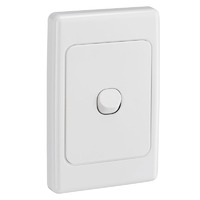
A white light switch is an electrical switch or switch plate finished in white, vivid white, gloss white, matte white or off-white. Depending on the range, the category includes complete switch assemblies, switch plates, mechanisms, dollies, cover plates and matching accessories. The finish stays neutral, so it works across most wall colours and interior styles.
White is the most common switch finish across Australian houses, units, offices, schools, retail fitouts and rental properties. Before you order, check four things: the brand and range, the gang configuration, the mechanism type and the electrical rating. Two switches can look identical in white yet differ in size, fit and function.
Builders, electricians and renovators choose white because it is easy to match, simple to replace and stocked widely across major brands. A neutral white plate blends into painted walls without drawing attention, which makes it a safe default when you cannot inspect every room first.
White also keeps a project consistent. When you specify one white range for a whole site, spare plates and mechanisms stay interchangeable. This reduces finish mismatch on staged jobs and makes bulk ordering far more predictable for large builds.
Common white descriptions affect how a switch matches the wall. Vivid white and gloss white read as bright and clean, so they suit modern interiors and freshly painted rooms. Cream and off-white tones run warmer, which can blend better with older plaster and aged paint.
White tones vary slightly between brands, so a vivid white from one maker may not match the cream from another. Where colour matching matters, compare against an existing plate first. The Clipsal Saturn Zen white range shows how one finish can stay consistent across a full switch family.
The look of a switch is only one part of the choice, because style, configuration and function each change what a switch can do. Sorting these three early helps electricians and informed buyers filter products faster and avoid ordering the wrong part.
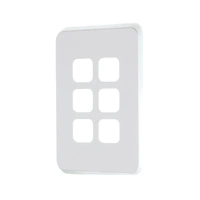
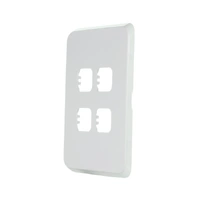
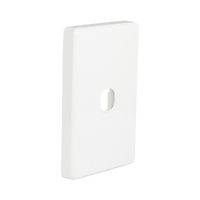
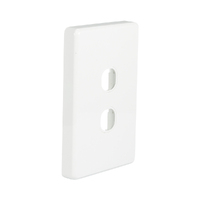
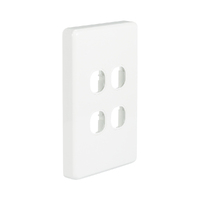
Gang count describes how many switches sit on one plate. A single-gang plate carries one switch, while double, three-gang, four-gang and larger plates control several lighting points from one wall position. Multi-gang plates suit hallways, kitchens and open areas where one location drives many circuits.
During a renovation, match the existing gang layout where you can, since keeping the same plate size avoids extra wall patching and repainting. If a layout has to change, plan it before ordering so the new plates suit the wall openings.
Switching type describes how the switch connects in the circuit. You may see terms such as single pole, double pole, two-way, intermediate, bell press or momentary switch. Each controls light differently, and a two-way pair lets you operate one light from two locations.
These terms describe circuit function, not just the switch body. Check how the existing circuit works before replacing a switch, and have a licensed electrician confirm the correct type. Choosing the wrong switching style can stop a circuit from working as intended.
White switches operate in several ways. Rocker switches use a flat paddle, push button switches use a pressed action, and toggle or dolly styles use a small lever. Modular ranges separate the mechanism from the plate, so the operation style can change without a new plate.
Mechanism-based systems let electricians combine switches, dimmers and other functions on one plate. To keep this working, match the switch mechanisms, grids, plates and dollies within the same brand family. Mixing ranges often causes fit and alignment problems.
It helps to separate the parts. A full switch assembly includes the live mechanism, while a cover plate, skin or dolly is a decorative component. A dolly is the small rocker insert, and a cover plate frames the switch on the wall.
Replacing a cracked cover or a yellowed plate can differ from replacing a live mechanism. Many ranges allow a skin or light switch cover swap without touching wiring. Any work that exposes live electrical components must be handled by a licensed electrician.
White switches do far more than basic on and off control, because dimming, indicators, sensors, smart control and charging features all appear in white ranges. Each added function brings extra compatibility checks, so confirm load and wiring suitability before you order.
White dimmer switches suit living rooms, dining areas, bedrooms and media rooms where you want adjustable light levels. Compatibility with LED loads is the main concern. Many LEDs need a minimum load, and they perform best with a dimmer matched to the lamp and driver.
Trailing-edge and leading-edge dimmers suit different loads, so follow the manufacturer guidance for the lamps installed. Confirm lamp and driver compatibility before purchase to avoid flicker or buzz. Browse dimmer switches by the range that matches the rest of the room.
Illuminated and indicator switches help in bathrooms, store rooms, plant rooms and shared spaces, where a locator light stays on so you can find the switch in the dark. A function indicator shows whether a connected load, such as an exhaust fan or outdoor light, is currently running.
Neon indicators and locator lights serve different purposes, so pick the one that matches the task. Indicators also help identify which switch controls which circuit, which is useful where several similar switches sit together on one plate.
Sensor-based control suits hallways, entries, laundries, garages and amenity areas where hands-free operation helps. A motion sensor can switch a light on when it detects movement, then switch it off after a set time. This can improve convenience and reduce wasted energy.
When selecting a sensor switch, check the detection range, the coverage angle, the load it can drive and the timer adjustment. Location planning matters, since walls and corners affect detection, and a licensed electrician should handle installation and confirm the sensor suits the circuit.
Smart white switches can connect to platforms such as Alexa, Google Home or an app, though compatibility is never universal. Control types vary across Wi-Fi, Zigbee and Bluetooth, and some systems need a hub, while many smart switches also require a neutral wire at the switch position.
Check the product specifications for the app ecosystem, hub needs and any multi-way control limits before ordering. Confirm that the switch suits your wiring and your preferred platform. Explore smart light switches once you know the control method you want.
USB-enabled white accessories suit bedrooms, kitchens, study nooks and hotel-style fitouts where devices need charging. In most ranges, USB charger modules belong to the power point or accessory plate family rather than the standard light switch range. They are not a basic switch function.
If you want switching and charging to look consistent, choose a white plate system that offers both. Matching the range keeps the finish, plate profile and styling aligned across the wall. Confirm the charging output suits the devices the room will use.
Standard indoor switches are not suitable for exposed outdoor or damp locations. Outdoor and exposed positions need a suitably rated weatherproof switch with a sealed enclosure. The right IP rating, UV resistance and gasketed housing all help the switch cope with weather.
Protected mounting locations and correct sealing matter in Australian outdoor conditions, so match the weatherproof switch to the outdoor lighting circuit it controls. External electrical work carries added safety and compliance requirements, so a licensed electrician should plan and install it.
Room, project type and installation environment all guide the right white switch. Selecting by application helps trade buyers repeat the same choices across many dwellings, fitouts and maintenance jobs. The sections below cover common residential and commercial cases.
Slimline white switches with clean plate profiles support modern, minimalist interiors. A consistent finish across switches, power points, USB chargers and fan controls keeps open-plan spaces tidy. Vivid white and slim matte styles work well against fresh paint and pale walls.
To hold a clean look, match the switch range with the rest of the white accessories on the wall. Ranges such as Clipsal Iconic switches offer slim plates and changeable skins for this purpose. Consistency across rooms is what creates the seamless effect.
White and cream finishes behave differently on older walls, because a bright vivid white switch can look stark against aged plaster or warm-toned paint. A cream or off-white plate often blends more naturally with heritage interiors and older paint colours.
During renovations, confirm the switch dimensions, mounting style and existing wiring with an electrician. Older homes sometimes use different fixing centres, so a new plate may need adjustment. Established ranges such as Clipsal Classic switches remain a common choice for replacement work.
High-use and wet-adjacent rooms reward durable, easy-clean switches placed in compliant positions. In kitchens, white blends with cabinetry and splashbacks, while black creates a stronger contrast against pale joinery. The finish choice usually follows the overall design theme.
Bathrooms often use fan switches, heater switches and indicator lights. Switch placement near wet areas must follow compliant zones, so confirm positions with a licensed electrician. Easy-clean surfaces help these rooms stay presentable through frequent use.
Transitional spaces benefit from practical options such as motion sensors, illuminated switches and multi-gang plates. Visibility and convenience matter where people move through quickly or carry items, and clear circuit labelling also helps in spaces that control several lights.
For repeated layouts across developments or strata work, plan one switch schedule and reuse it. Consistent fan and light switches across units simplify maintenance later. This keeps spares aligned and replacements quick.
Offices, retail spaces, medical suites, schools and rentals commonly use white switches, which offer durability, easy replacement, broad plate availability and brand continuity across a site. These traits keep maintenance simple when a property runs many similar rooms.
Specifying one consistent range across a building reduces future headaches, because when every room uses the same white switches, spares stay interchangeable and replacements look identical. Bulk purchasing then becomes straightforward for facility and maintenance teams.
Choosing a brand is really about compatibility, availability and support. Australian buyers select switches by range, gang size, mechanism type, plate style, finish tone and electrical rating. The checks below help keep switches, plates and accessories working together.
Reputable Australian-market brands offer accessible replacement parts, clear technical data and broad accessory ranges, while suitability depends on plate style, mechanism compatibility, project budget, availability and the electrician's preference. There is no single best brand for every job.
Common choices include Clipsal, HPM, Legrand, Hager and PDL. Use decision criteria rather than reputation alone. Match the brand to the range you can source consistently for the whole project.
Clipsal white switches are a common residential choice where buyers want broad availability and matching accessories. The range suits new builds, renovations, rental maintenance and replacement work, and wide stock levels make sourcing spares easier over a property's life.
To keep parts compatible, stay within the correct Clipsal range when matching plates, mechanisms, skins or dollies. A Classic dolly will not suit an Iconic plate, for example, so confirm the exact series before ordering replacement components.
Before ordering, check the brand, range, gang size, plate profile, mechanism style and finish tone, because ordering one consistent range across a project avoids mismatched plates and odd colour shifts. This is the simplest way to keep a wall looking deliberate.
Visually similar white switches from different brands may not fit together mechanically, and a plate from one maker rarely accepts a mechanism from another. Treat cross-brand mixing with caution, and verify compatibility before committing to bulk quantities.
Many wall switches carry a 10A rating, which suits typical lighting circuits. Some situations need higher-rated or special-purpose switches, such as those driving fan loads, contactors, outdoor lighting or controlled equipment. The load decides the rating you need.
LED lighting compatibility also affects dimmers and certain switched loads. Check the product data for each item, and have a licensed electrician confirm the switch suits the circuit. Ratings and load types should never be assumed across different products.
Electricians, builders, property managers and renovators often buy white switches in quantity, and planning the order well keeps finishes consistent and reduces return trips. The points below cover what to confirm before placing a large order.
Bulk ordering supports new builds, unit upgrades, rental maintenance, school works and commercial fitouts. Before buying, confirm quantities by gang type, mechanism type, plate style, colour finish and accessory compatibility. A short checklist prevents mixed deliveries.
Allow sensible spares for future replacement and maintenance consistency. Keeping a few extra plates in the same range means later repairs match the original install. This small buffer saves time when a single switch needs swapping years later.
Staged renovations benefit from a planned switch schedule. Matching existing rooms, replacing old or yellowed switches and holding one finish across the home all help the result feel coherent. Ordering within one product range avoids mixed plate profiles.
A repeatable room schedule makes trade work faster and quoting clearer, because when each room uses the same layout, electricians install more predictably. This approach suits investors and builders running several similar dwellings.
White switches span budget, mid-range and premium options, and price usually reflects finish quality, tactile feel, design profile, accessory ecosystem and long-term durability. A premium range often offers more skins, dollies and matching accessories.
Pricing changes over time, so balance the project budget against replacement availability and finish consistency. Value ranges such as Connected Switchgear and DETA suit cost-driven jobs, while premium ranges suit feature interiors. Choose the tier that matches the project.
White switches show wear and discolouration more than darker finishes. Knowing what you can safely handle, and when to call an electrician, keeps a home or site looking maintained. The guidance below covers cleaning, ageing and replacement.
Clean only the surface. Switch the light off where practical, then wipe the plate with a soft, barely damp cloth. Avoid excess moisture, abrasive cleaners and spraying liquid directly onto the switch, since fluid must never enter the mechanism.
Do not open or remove a switch plate where live components could be exposed unless you are licensed to do so. Commercial cleaning teams should avoid harsh chemicals that dull or stain plastic, since gentle cleaning protects the white finish for longer.
Several factors cause white plastic to yellow: UV exposure, heat, ageing plastic, cleaning chemicals, smoke residue and kitchen contaminants all contribute. Older plastics tend to discolour more noticeably than newer materials.
When a switch looks badly yellowed or feels brittle, replacement is usually the best fix, and updating to a matching modern range restores a clean look across the room. Replace within one range so the new plates stay consistent.
A cracked cover can expose sharp edges, trap dirt or signal impact damage. Replacing a decorative skin or cover is different from replacing a switch mechanism or live plate. The decorative swap is simpler where the range is designed for it.
Before ordering, match the exact brand and range for any replacement cover or dolly, because a close visual match may still fail to clip into place. Any work involving the live mechanism must be carried out by a licensed electrician.
Some warning signs point to a circuit issue, not a cosmetic one. Watch for sparking, buzzing, heat, loose operation, intermittent switching, discolouration around the plate or a burning smell. These signs deserve prompt attention.
A licensed electrician should assess these issues quickly, and you should not attempt troubleshooting that involves opening the switch or touching wiring. Treating warning signs early helps prevent a small fault from becoming a larger hazard.
Switch installation, replacement and wiring are licensed electrical work in Australia, so this section provides planning guidance only. It does not give installation steps, because the work must be completed by a licensed electrician.
The safest approach is simple: do not attempt electrical installation unless you are licensed to do so. Safe installation involves correct isolation, wiring, testing and certification by a qualified electrician. These steps protect both the installer and the building.
Your role as a buyer is to plan well. Choose the correct product, confirm compatibility with the existing wiring and book a licensed electrician for the work. Good preparation makes the install faster and reduces the chance of return visits.
Installation cost depends on several factors. The number of switches, site access, the condition of existing wiring, the switch type and any smart or dimmer compatibility all play a part. Travel time and circuit or switchboard upgrades can also affect the price.
Electricians often price single replacements differently from bulk project work. Fixed prices are hard to state, since each job varies. Ask for a quote that reflects your specific switches, rooms and wiring conditions.
Switch installation must meet applicable Australian electrical safety requirements. Compliance awareness centres on AS/NZS 3000, the Wiring Rules, along with the National Construction Code where relevant. State and territory licensing rules also apply.
Depending on the jurisdiction and the work type, certification or compliance documentation may be required. A licensed electrician understands these obligations and completes the paperwork. This keeps the installation legal and safe.
Planning placement early improves the final result. Consider consistent mounting height, accessibility, distance from wet areas and convenient switching positions. Thoughtful placement makes a home easier to use day to day.
Bathrooms, laundries, outdoor areas and commercial access points may need extra compliance consideration. For unusual locations, confirm the chosen products with an electrician before purchasing. This avoids buying switches that cannot be installed compliantly.
A short comparison helps narrow the choice before you filter product listings. The notes below cover finish, function and environment. Use them to shortlist the right white switch for the room and project.
White offers a clean, modern appearance, while cream gives a warmer, more traditional match. Vivid white suits new builds and freshly painted rooms. Cream and off-white often suit older homes and repaints with warmer wall tones.
Where colour matching matters, check samples or an existing plate before ordering. Brand white tones differ slightly, so confirm the match in the actual room light. A small check now prevents a visible mismatch later.
White blends quietly into pale walls, while black switches create contrast for statement interiors and darker cabinetry. In kitchens, white suits light cabinetry and splashbacks, while black suits darker hardware and modern contrast themes.
Finish is a design decision, but function and compatibility should come first. Confirm the switch type, rating and range before choosing a colour. A great-looking switch still has to work correctly in the circuit.
Standard switches handle basic on and off control reliably and at low cost. Smart, sensor and dimming options add control, automation and adjustable light, but they require more compatibility checks. Each added feature brings extra wiring and load considerations.
Before installing feature switches, electricians should verify wiring, neutral availability and load requirements. The right choice depends on how the room is used. Match the function to the need rather than adding features for their own sake.
| Option | Best Suited To | Key Check Before Buying |
|---|---|---|
| Standard rocker switch | General lighting in most rooms | Gang count and rating |
| Dimmer switch | Living areas and bedrooms | LED load and dimmer type |
| Sensor switch | Hallways, garages and entries | Detection range and load |
| Smart switch | App and voice control | Neutral wire and platform |
| Weatherproof switch | Outdoor and damp areas | IP rating and sealing |
Club Clipsal is Australia's largest electrician community offering trade rewards, business support, and exclusive benefits. When you nominate Sparky Direct as your preferred wholesaler, we automatically apply your Clipsal spend points to your Club Clipsal account daily.
Entry-level offering coaching, mentoring, and training discounts
Unlock exclusive industry tools and networking events
Access Toyota fleet offers and business software discounts
Maximum benefits, including VIP experiences and rewards
1. Sign Up: Create your Club Clipsal account at clipsal.com/club-clipsal or via the iCat mobile app
2. Nominate Sparky Direct: Select Sparky Direct from the wholesaler dropdown menu in your profile
3. Add Email: Enter your Sparky Direct account email address in the membership number field
4. Start Earning: Every dollar spent on Clipsal products earns points automatically
Redeem points from the rewards store, including gift cards, tools, and experiences. Access business summits, product training, and industry networking events. Receive early access to new product launches and special promotions. Connect with fellow electricians via the Club Clipsal community app.
Watch Clipsal C2032VA-WE | 2 Gang Switch 10Amp (Classic Series) | White video
Watch CLIPSAL SATURN Z4061PBL-ZW | 1 Gang Pushbutton LED Switch (Zen White) video
Watch Trader Flat Cat FLSWV1G | 1 Gang 16A Vertical Slimline Switch | White video

We used the Clipsal Iconic 3041AL-VW as a concealed switch inside our wine display, and it was the perfect choice for both function and aesthetics. The architrave design is slim, discreet, and ideal for tight or narrow spaces. In our case, it allowed us to tuck the switch neatly out of sight while maintaining easy access to control the feature LED lighting within the wine cabinet. The vivid white finish complements our interior and doesn’t draw attention away from the display itself. As expected with Clipsal, the build quality is excellent, and installation was hassle-free. The low-profile form factor makes it ideal for applications where you want clean lines and minimal visual interruption. Highly recommend this switch for cabinetry, feature lighting, or any design-focused installation where space and appearance matter.
Absolutely love these. They have upped the elegance factor in my home. Never imagined having friends tell me they have 'light switch envy' but they do! Not cheap, especially when you add on the cost of installation but really wow. Love that they show you (and your visitors) where they are at night in the dark. Delivered quickly and in good nick. Thanks Sparky Direct!
These switches are cheaper than most switches and have excellent design and features. The switch is really slim and feel of tactile is really good. Always include the led to it gives are much more nicer look to the switch.
Quality products in stock • Fast Australia-wide delivery • Competitive trade pricing
Browse White Light Switches → Get Expert Advice →