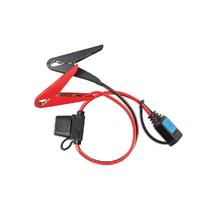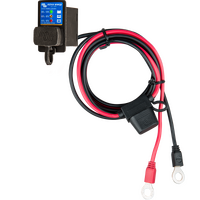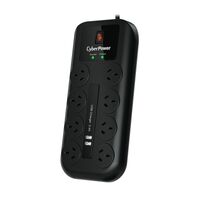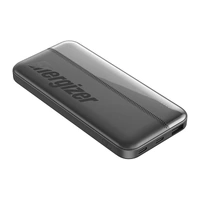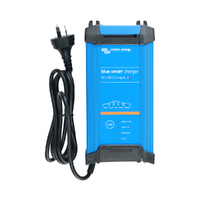

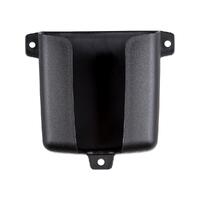

Wall Mount
CLEARANCE
Victron Energy BPC920100200 | Wall Mount for 12/10, 12/15, 24/8 Blue Smart IP65 Chargers
$8.11
$7.37 ex. GST
Search Results:
Search Results:
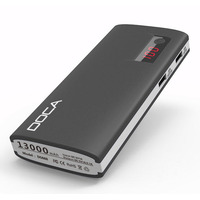
Find the best portable power solutions here at Sparky Direct. [ Read More ]
Portable power covers four main system types. Each suits different load profiles, runtimes, and site conditions. Understanding the differences helps match the right unit to the job.
Petrol and diesel generators burn fuel to drive an alternator. They deliver high continuous output, handle large inductive loads, and run as long as fuel supply lasts. Diesel units are common on extended commercial sites; petrol units suit shorter trade jobs and residential backup.
Inverter generators produce AC power, convert it to DC, then invert it back to clean AC at a stable sine wave. The output is suitable for sensitive electronics, laptops, and modern appliances. They typically run quieter and more fuel-efficient than conventional generators because the engine speed varies with load.
Lithium battery power stations store DC energy and supply it through a built-in inverter as 230V AC. They produce no exhaust, run silently, and can be used indoors. Output is limited by battery capacity and inverter rating, so runtime depends on the load drawn.
Solar-hybrid units combine a battery power station with solar panel inputs. The system charges from the sun during the day and discharges as needed. These suit off-grid, remote work, and extended outages where refuelling is not practical. Sparky Direct stocks the broader solar supplies range that supports hybrid setups, including solar inverters and high-quality solar batteries.
Five numbers determine whether a portable power unit will meet a given workload. Get these wrong and the unit either trips out or sits oversized and underused.
Watts measure instantaneous power draw. Add the wattage of every appliance that will run at the same time, then add a 25 percent margin for safety and motor inefficiency. A unit rated below the total draw will trip or shut down under load.
Inductive loads such as compressors, refrigerators, and power tools draw two to seven times their running wattage at startup. The generator or inverter must supply this peak surge, not just the running figure. Manufacturers list both ratings on the spec sheet.
Lithium battery stations are rated in watt-hours (Wh). A 1000 Wh station can supply 100 watts for roughly 10 hours, allowing for inverter losses. Most lithium chemistries permit deep discharge to 80 or 90 percent of capacity without damage; lead-acid is limited to about 50 percent.
Generator runtime depends on tank size and load. A 7-litre tank at half load typically lasts 6 to 10 hours. Battery stations recharge from mains in 1 to 8 hours, or from solar in 4 to 12 hours depending on panel size and conditions. Plan refuelling and recharge cycles around the work schedule, not the other way around.
The choice between battery and fuel comes down to runtime needs, environment, and noise tolerance. Both have a place; neither is universally better.
| Factor | Battery Power Station | Fuel Generator |
|---|---|---|
| Noise level | Silent | 50 to 90 dB depending on model |
| Indoor use | Safe | Not safe (exhaust fumes) |
| Runtime per refill or recharge | Hours, capacity-limited | Hours to days, fuel-limited |
| Refuel or recharge time | 1 to 8 hours from mains | Minutes (refuel) |
| Maintenance | Minimal | Oil, filter, plug servicing |
| Emissions | None at point of use | Exhaust gases |
Battery systems run silently, produce no emissions, and require no fuel storage. They suit indoor use, residential backup, and noise-sensitive sites such as hospitals, film sets, and built-up areas. Modern lithium chemistries last 2,000 to 5,000 cycles before noticeable capacity loss.
Fuel generators offer extended runtime limited only by fuel availability. They handle very high continuous loads that battery units cannot match, and they refuel in minutes rather than hours. For multi-day site use without grid access, fuel still wins on practicality.
Battery stations cost more per watt of capacity but less to run. Generators have lower upfront cost per kilowatt but ongoing fuel and servicing expenses. Noise restrictions on building sites and in residential zones increasingly favour battery solutions for short-duration work.
Selection comes down to four questions: what loads, for how long, in what environment, and how often will the unit be moved.
Start with a load list. Write down every device that will run, their running wattage, and their startup wattage. Sum the running figures, identify the largest startup surge, and select a unit that exceeds both numbers with a 25 percent margin.
Electrical and construction work typically demands 3 to 10 kW for power tools, lighting, and welders. Office and IT backup needs 1 to 3 kW for computers, modems, and small displays. Camping and recreational use ranges from 300 W to 2 kW for fridges, lights, and charging.
Higher output usually means heavier and bulkier units. A 2 kW lithium station weighs around 20 kg; a 5 kW diesel generator can exceed 80 kg. If the unit moves daily, prioritise wheeled designs and grab handles. For static backup, weight matters less.
Portable power covers everything from a phone charge in the bush to keeping a hospital ward running during an outage. Common application categories follow.
Trade sites often run before grid connection is established. Portable units power tools, task lighting, and temporary leads. A 5 to 8 kW inverter generator typically covers a small to medium electrical or building site. For caravan and on-site vehicle hookups, see caravan power inlets.
Storms, bushfires, and grid failures regularly leave Australian properties without power. A portable unit keeps fridges running, lights on, and phones charged until the grid returns. Lithium stations work indoors safely; generators must run outdoors with adequate ventilation.
Properties without grid access rely on solar-hybrid systems for daily power. The combination of panels, batteries, and a backup generator covers cloudy weeks and high-load periods. Solar cables and solar isolator switches tie the components together.
Recreational users typically need 300 W to 2 kW for fridges, lights, fans, and device charging. Lithium stations dominate this segment because they run silently and can be used inside tents, vans, and cabins without exhaust risk.
Backup power is no longer a luxury for Australian households and businesses. Severe weather events, grid instability, and bushfires make standby supply a practical necessity, particularly for medical equipment, refrigeration, and communications.
For residential emergency use, look for a unit rated at 1 to 3 kWh of storage with at least 1500 W continuous AC output. This covers a fridge, several lights, a fan, and device charging. Larger households or properties with bore pumps may need 5 kWh or more.
Commercial backup requires a load audit and runtime target. Identify critical circuits, calculate worst-case duration, and select equipment to match. Many businesses use a tiered approach: an uninterruptible power supply (UPS) covers servers during the changeover window, then a generator or large battery handles the extended outage. Battery back-up timers support automated switching for control circuits.
Residential backup needs vary by load profile. A small lithium station handles fridge and lighting for 6 to 12 hours. A larger hybrid system with solar input can run indefinitely if conditions allow. Wiring a generator into the home switchboard requires a licensed electrician and appropriate isolation to prevent backfeed.
Solar portable power has matured rapidly. Lightweight folding panels, lithium chemistry, and integrated charge controllers now make off-grid solar practical for most users.
A portable solar generator combines a lithium battery, an inverter, and an MPPT solar charge controller in one case. Add solar panels via a connector input and the unit charges from sunlight. Most also accept mains and 12V vehicle charging for flexibility.
Mains charging is fast and reliable but depends on grid availability. Solar charging is slower and weather-dependent but works anywhere with sun. The best portable systems accept both inputs and switch automatically based on the available source.
For camping and outdoor work, look for folding panels rated at 60 to 200 W with weather-resistant housing and an Anderson plug or DC barrel output. Match panel wattage to the battery station's MPPT input range, and check the connector type before buying.
Portable power pricing varies widely. Understand what drives the cost before choosing between budget and premium options.
Budget petrol generators offer basic power at low cost but lack inverter technology, fuel efficiency, and quiet operation. Premium inverter and lithium units cost more upfront but deliver cleaner power, lower noise, and longer service life. Match the spend to the use case.
Generator TCO includes fuel, oil, filters, plugs, and eventual rebuild or replacement. Battery TCO is mostly the upfront price plus a small electricity cost for recharging. Over 5 to 10 years, battery TCO often beats fuel for low-duty backup use.
Cheap units cut corners on alternator quality, inverter circuitry, and case construction. Trade-grade equipment uses heavier components, better cooling, and stronger frames. For professional daily use, trade-grade pays back through reliability and longer service life.
Buying online gives access to a wider range than most local retailers stock, with delivery direct to site or home. Check stock status, delivery timeframes, and the supplier's track record before placing an order.
Sparky Direct stocks portable power, solar, and backup equipment from established brands. Browsing the full smart solutions range is a good starting point for trade and consumer buyers comparing options.
Check the continuous and surge AC output ratings, battery capacity in watt-hours (for lithium units), input options (mains, solar, vehicle), and certification to Australian standards. Confirm the manufacturer offers local warranty support and parts availability.
Heavy units such as diesel generators may attract freight surcharges and take longer to deliver to remote areas. Lithium battery stations ship faster but are subject to dangerous goods rules for air freight. Check the listing for current stock status before ordering.
Portable power is regulated under several Australian standards. Compliance is mandatory for installation, hire, and workplace use.
AS 2790 covers electricity-generating sets driven by reciprocating internal combustion engines. AS/NZS 3012 sets out the electrical installation rules for construction and demolition sites, including requirements for portable generation. AS/NZS 3000 (the Wiring Rules) applies to fixed connections to portable supply.
Operate generators outdoors only, well clear of windows, doors, and vents. Carbon monoxide is colourless and odourless and kills quickly in enclosed spaces. Never refuel a hot or running generator. Ground the unit per the manufacturer's instructions.
Lithium battery products sold in Australia must meet relevant electrical safety standards and carry the Regulatory Compliance Mark (RCM). Damaged lithium cells can vent flammable gas or catch fire. Stop using any unit showing swelling, heat, smell, or physical damage and contact the manufacturer.
Connecting a portable generator into a home switchboard for backup use requires a licensed electrician, a transfer switch, and compliance with AS/NZS 3000. Direct backfeeding through a power point is unsafe, illegal in Australia, and can injure utility workers.
Most portable units are plug-and-play. Permanent installations and switchboard connections need an electrician.
Locate the power source close to the load to minimise voltage drop on extension leads. Long runs of small-cross-section cable lose voltage and overheat under load. For permanent backup installations, plan a dedicated circuit and weatherproof enclosure.
Use heavy-duty extension leads rated for the load. On larger sites, a portable distribution board provides multiple outlets, RCD protection, and circuit breakers from a single feed. Keep cables off wet ground and route them clear of vehicle traffic.
Generators need clear airflow on all sides for cooling and exhaust. Position the unit with at least 1 metre clearance, exhaust pointing away from any building opening. Never operate inside a garage, shed, or enclosed trailer, even with the door open.
Maintenance keeps portable power reliable and extends service life. Skipping it shortens both.
Petrol and diesel generators need regular oil changes (typically every 50 to 100 hours), air filter cleaning, fuel filter replacement, and spark plug inspection. Run the unit under load monthly even when not in active use to keep components conditioned.
Lithium batteries last longest when stored at 40 to 60 percent charge in cool conditions. Avoid leaving them fully discharged for extended periods. Most manufacturers specify a cycle count and calendar warranty (for example, 2,000 cycles or 5 years, whichever comes first).
For generators, repair is usually viable for engine, alternator, or control issues. Battery stations are harder to repair: cell replacement may be possible for some brands, but inverter or BMS faults often mean replacement. Weigh repair cost against the price of a current-generation unit.
Most portable power faults fall into three patterns. Diagnose before calling for service.
Check fuel level, oil level (low-oil shutdown is a common cause), and spark plug condition. If the unit starts but trips under load, the connected appliances may exceed the generator's surge or running rating. Disconnect everything, restart, then reconnect loads one at a time.
Capacity loss is normal over hundreds of cycles. Sudden loss can indicate a failed cell or BMS fault. Try a full charge-discharge cycle to recalibrate the unit's capacity reading. If the issue persists, contact the manufacturer for diagnosis.
Voltage or frequency fluctuations in generator output usually point to a worn AVR (automatic voltage regulator), dirty fuel, or load imbalance. For inverter units, check for overload conditions and verify the surge rating against connected motor loads.
Test your portable supply before relying on it: Use a power point tester to confirm correct wiring and earthing on generator outputs and any temporary distribution. Faults discovered during testing are far cheaper than faults discovered during use.
Portable power is changing fast, driven by battery chemistry, smart controls, and emissions pressure.
Lithium iron phosphate (LFP) is now the dominant chemistry in trade and consumer power stations because of its long cycle life and thermal stability. Solid-state cells and sodium-ion alternatives are in late-stage development and may reach the consumer market within the next few years.
App-controlled power stations now offer load monitoring, remote start, scheduled charging, and integration with home solar systems. Some units can dispatch stored energy back into the home circuit during peak tariff periods to reduce running costs.
State and territory regulators are tightening rules on petrol and diesel equipment in urban areas. Many councils now restrict generator use during fire bans and overnight quiet hours. Battery and solar-hybrid solutions sidestep these limits and are growing in trade adoption.
Watch Victron Energy BPC121542012 | 230V Blue Smart IP22 Charger 12V/15Amp video
Watch HPM D1235WTC | USB & Wireless Charging Hub | 5 USB ports - 60W video
Watch CyberPower CPSURGE08ANZUSB | Home Theatre 8-Port Surge Protector Power Board | 2 USB 2.4A | Black video

I recently purchased a GoodWe inverter online and was thoroughly impressed with both the product and service. The inverter is of exceptional quality, living up to its high standards, and was delivered promptly without any issues. Its performance has exceeded my expectations, offering efficient and reliable energy management. I am happy to recommend this inverter to anyone seeking a dependable product for their solar energy needs. The seamless purchase and delivery experience only added to the satisfaction. Great product and excellent service!
I bought 2 modules to upgrade my existing Sungrow battery. I got them delivered within 2 days. Both modules were a tad over 4 months old. Installation was super easy, I just needed to follow Sungrow's instructions and discharge my existing battery to 17%. After that I just shut the system down, added the new modules and powered the system up. The battery reconfigured itself automatically.
Installed one of these in our caravan and could not be happier. Now we are building a motorhome so I bought another one, and a DCDC converter and a solar controller from Victron.
Quality products in stock • Fast Australia-wide delivery • Competitive trade pricing
Browse Portable Power Solutions → Get Expert Advice →Battery-based solutions operate quietly, while generators produce varying noise levels.
Sparky Direct supplies portable power solutions with fast Australian delivery to support work, emergency, and outdoor power needs.
Most portable solutions do not require installation, but any fixed electrical connections must be done by a licensed electrician.
Warranty coverage varies by manufacturer and typically applies to manufacturing defects.
Check output capacity, battery size, recharge options, and intended application.
Yes, products are available in a range of capacities to suit different power needs.
They are intended for temporary or supplementary power rather than permanent fixed installations.
Weather resistance varies by product and should be checked before outdoor use.
Many power stations provide stable output suitable for phones, laptops, and other electronics.
Battery-based solutions require minimal maintenance, while generators require routine servicing.
Yes, many are designed for camping, outdoor work, and recreational activities.
Recharging methods may include mains power, solar input, or vehicle charging, depending on the product.
Battery-based power solutions are suitable for indoor use, while fuel-powered generators must be used outdoors only.
Portable power solutions provide temporary or mobile electrical power for tools, devices, and equipment where fixed power is not available.
Runtime depends on battery capacity, power draw, and connected devices.
Many products are designed to be lightweight and compact, with handles for easy transport.
Yes, selected products are designed for trade, site, and commercial applications.
Yes, they are commonly used for short-term backup during power outages.
Many portable power solutions offer a combination of AC outlets, DC ports, and USB outputs.
Power stations are typically battery-based and quiet, while generators use fuel and provide higher output for some applications.
When used as directed and within rated limits, portable power solutions are designed for safe operation.
They can power tools, lighting, electronics, and small appliances, subject to output capacity and compatibility.
Yes, electrical portable power products supplied in Australia should comply with relevant AS/NZS electrical safety standards.
Products supplied in Australia are designed to suit local electrical requirements and operating environments.
Common options include portable power stations, battery packs, inverters, and compact generators, depending on application.