

Screws & Fixings - Australia's Trusted Online Electrical Wholesaler
Find the best screws & fixings here at Sparky Direct. [ Read More ]

What Are Screws and Fixings?
Table of Contents
- Types of Screws and Their Applications
- Fixings Beyond Screws: Anchors, Plugs, and Specialist Solutions
- Understanding Screw Specifications and Measurements
- Choosing the Right Screws for Different Materials
- Corrosion, Durability, and Environmental Factors
- Installation Best Practices for Reliable Fastening
- Common Fastening Problems and Troubleshooting
- Storage, Maintenance, and Rust Prevention
- Essential Screw Types for DIY and Trade Projects
- Buying Screws and Fixings Online in Australia
- Selecting Professional-Grade Screw Brands
- Product Videos
- What Sparky Direct Customers Say
- Quick Summary (TL;DR)
- Frequently Asked Questions about Screws and Fixings
Types of Screws and Their Specific Applications
Not all screws are interchangeable. Each head profile, point type, and gauge is engineered for a specific material or application. Using the wrong type causes poor holding strength, surface damage, or fastener failure. The following categories cover the main types available through Sparky Direct.
Machine Screws vs Self-Tapping Screws
Machine screws have a uniform thread that mates with a pre-tapped hole or nut. They are used in electrical equipment, switchboards, and panel assemblies where precise, repeatable fastening is needed. Self-tapping screws cut their own thread as they are driven in. This makes them faster to install and eliminates the need for pre-tapping in many applications. Self-drilling screws go one step further: they combine a drill point with a thread-forming tip, allowing installation into metal without a pilot hole.
Drywall, Plasterboard, and Masonry Screws
Plasterboard screws have a bugle head that countersinks flush without tearing the paper face. They are typically coarse-threaded for timber framing or fine-threaded for metal studs. Masonry screws require a pre-drilled pilot hole and bite directly into concrete or brick. They are used for fixing cable trays, conduit brackets, and distribution boards to masonry walls. Wall plugs are required when the substrate will not hold a screw directly: the plug expands as the screw is driven, gripping the cavity walls.
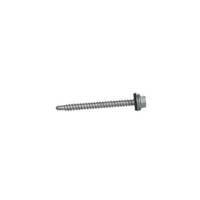
Self-Drilling Screws for Metal Roofing and Steel Framing
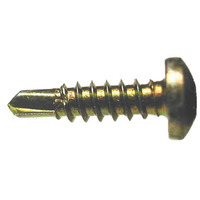
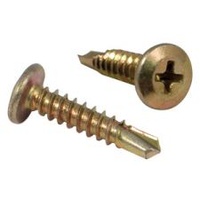
Self-drilling screws are the standard choice for fixing into steel framing and metal roofing. The drill point is rated for a maximum steel thickness: a No. 3 point suits steel up to 0.8 mm, while a No. 5 point handles up to 12 mm. Hex head self-drillers are used for roofing sheets and purlins. Pan head and wafer head self-drillers are common in light framing and electrical enclosure work. Always match the drill point number to the gauge of steel being fixed into.
Wood Screws, Deck Screws, and Timber Fasteners
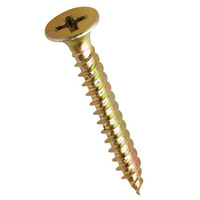
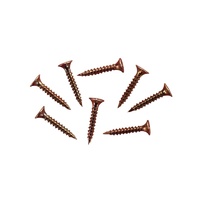
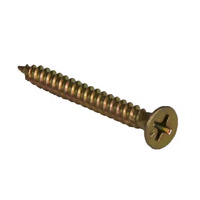
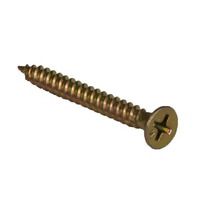
Timber screws are designed with coarse threads and sharp points to grip wood fibres. For structural applications and ceiling work, bugle head screws in 8G x 50 mm or 8G x 75 mm sizes are the electrician's standard choice for fixing fan brackets, cable runs, and junction boxes to timber framing. Deck screws are coated for outdoor exposure and are driven flush without countersinking.
Head Types and Drive Systems
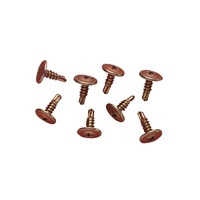
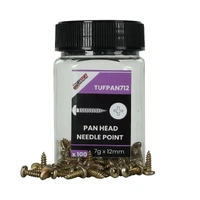
Head profile affects how the screw seats in the material. Bugle heads are recessed below the surface. Pan head screws sit above the surface, useful where pull-through resistance matters. Wafer head screws are low-profile and wide, suited to thin-gauge metal. Washer head screws spread load across a wider bearing surface. Button head screws are dome-shaped and used where appearance matters. Phillips (PH2) is the most common drive in electrical work. Square drive and Torx resist cam-out better at high torque.
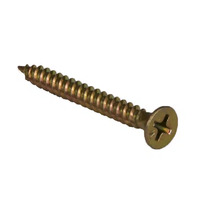
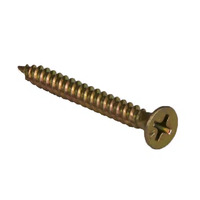
Bugle Head
- Countersinks flush to surface
- Standard for plasterboard and timber framing
- Available in self-drilling and needle point
- Common sizes: 7G x 25 mm to 8G x 75 mm
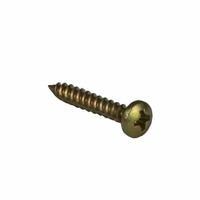
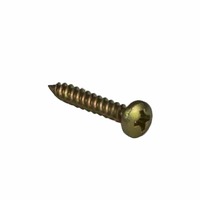
Pan Head
- Sits proud of surface for grip retention
- Used in electrical enclosures and metal framing
- Wide bearing surface under head
- Common sizes: 6G x 20 mm to 7G x 45 mm
Wafer Head
- Ultra-low profile for thin materials
- Suited to light-gauge steel and aluminium
- Minimises snagging in cable trays
- Common size: 10G x 30 mm
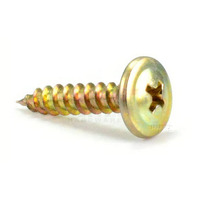
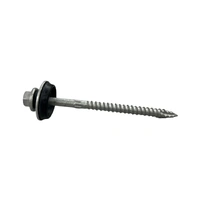
Washer Head
- Integrated washer spreads clamping load
- Ideal for metal roofing and purlins
- Resists pull-through in thin sheet
- Common sizes: 8G x 12 mm to 8G x 25 mm
Fixings Beyond Screws: Anchors, Plugs, and Specialist Solutions
Many installation scenarios require more than a screw alone. Hollow walls, masonry substrates, and high-load applications need dedicated fixing systems. Sparky Direct stocks anchors, wall plugs, and specialist fixings that cover these situations.
Wall Anchors and Cavity Fixings
Wall anchors are used in plasterboard and hollow walls where a standard screw has no solid material to grip. Nylon expansion plugs grip the cavity when the screw is tightened. Toggle bolts and spring-toggle fixings handle heavier loads by engaging the back face of the plasterboard. Products such as the Gripit plasterboard fixing system use a collapsing-leg mechanism that delivers high pull-out resistance from a single fixing point, rated up to 60 kg per anchor. These are used for mounting TV brackets, junction box covers, and heavy luminaires on plasterboard walls.
Masonry and Concrete Fixings
Nylon nail-in anchors are driven into pre-drilled holes in concrete or brick and then the nail is hammered home to expand the anchor body. This suits cable saddle fixing, conduit clips, and light-duty bracket installation. For heavier loads, chemical anchors or mechanical expansion bolts provide significantly higher shear and pull-out ratings. Always select an anchor rated for the substrate density. Lightweight aerated concrete requires a different anchor than standard precast concrete.
Specialist Fixings for Electrical Installations
Electricians encounter several fastening situations that general-purpose screws do not solve. Clipsal accessory screws with M3.5 threads are used specifically for mounting switch plates and socket outlets to tile surfaces, where standard self-tapping screws would crack the tile. Cable saddles and conduit clips often use proprietary fixings that clip to flat or round surfaces without requiring a drilled pilot hole. Junction box covers use machine screws that mate with captive nuts moulded into the box body. Switchboard components are typically fixed with M4 or M5 machine screws into threaded metalwork. Matching the correct thread form and size is critical in these applications. Refer to the relevant product datasheet to confirm fixing requirements before drilling.
Heavy-Duty Fixings for Hanging Shelves, Mirrors, and Fixtures
Trade professionals regularly install heavy items on walls where the load point does not align with a stud or joist. The correct approach is to first locate studs using a stud finder, then fix directly into the stud with an appropriate screw length. Where fixing between studs is unavoidable, a correctly rated cavity anchor is essential. Use a fixing rated at least three times the maximum expected load as a safety factor. Never use plasterboard plugs rated below the weight of the item being hung. For commercial installations, AS/NZS 3000:2018 requires that all equipment be securely mounted and adequately supported by the structure.
Choosing an Anchor for Plasterboard
Standard plasterboard is 10 mm or 13 mm thick. The anchor must suit the thickness. Check the product specification for minimum board thickness and maximum load rating. For loads above 20 kg per fixing point, use a heavy-duty toggle or a proprietary fixing like the Gripit system rather than a standard nylon expansion plug.
Understanding Screw Specifications and Measurements
Screw selection depends on understanding the designation system. Australian trade suppliers use a consistent sizing convention that describes gauge, length, thread type, and head profile. Knowing how to read these specs prevents ordering errors and installation failures.
Gauge, Diameter, and Thread Pitch Explained
Gauge in Australian self-drilling screws refers to the thread diameter, not the shank. A 6G screw has a smaller outer thread diameter than an 8G or 10G. For metric machine screws, diameter is stated directly: M3, M4, M6. Thread pitch is the distance between adjacent threads, measured in millimetres. Coarse threads (larger pitch) are used in timber and soft materials. Fine threads are used in metal, providing more thread engagement per unit length. Mixing coarse and fine threads in the same threaded hole will strip the thread immediately.
How to Determine the Correct Screw Length
The embedded thread length determines pull-out strength. As a general rule, the screw should penetrate the base material by at least the thickness of the material being fixed. For timber, 30 mm of thread engagement is a common minimum for light fixings. For ceiling fan brackets fixed through plasterboard into timber, a 50 mm or 75 mm bugle head screw provides adequate penetration through both layers. Machine screws should project through the nut by at least 1.5 thread pitches to ensure full engagement.
How to Identify the Thread Type of an Unknown Screw
If you need to match an unknown screw, measure the outer thread diameter with a digital calliper. Count the threads over a 10 mm span to determine pitch. Compare against a thread pitch gauge if available. For metric screws, nominal diameter and pitch are both needed: M5 x 0.8 and M5 x 0.5 are both M5 but not interchangeable. For imperial screws common in older switchboards, UNC and UNF gauges differ in pitch. When in doubt, bring a sample to the supplier rather than ordering by eye.
| Screw Type | Common Gauge / Size | Typical Application | Thread Form |
|---|---|---|---|
| Bugle Head Self-Drilling | 7G x 25 mm to 8G x 75 mm | Plasterboard, timber framing | Coarse |
| Pan Head Self-Drilling | 6G x 20 mm to 7G x 45 mm | Metal framing, enclosures | Fine / drill point |
| Wafer Head Self-Drilling | 10G x 30 mm | Light-gauge steel, cable trays | Fine / drill point |
| Washer Head Self-Drilling | 8G x 12 mm to 8G x 25 mm | Metal roofing, purlins | Fine / drill point |
| Machine Screw (Metric) | M3.5, M4, M5, M6 | Switchboard components, equipment | Fine metric |
| Masonry Screw | 6 mm x 50 mm to 10 mm x 100 mm | Concrete, brick, block | Special masonry thread |
Choosing the Right Screws for Different Materials
Material compatibility drives screw selection. Using a wood screw in steel framing or a drywall screw in masonry will not provide a reliable joint. The following guidance covers the most common substrates encountered in electrical and construction work.
Screws for Timber and Hardwood Applications
Softwood framing accepts coarse-thread bugle head screws without a pilot hole in most cases. Hardwoods require a pilot hole to prevent splitting and reduce the torque needed to drive the screw. The pilot hole diameter should be approximately 70 percent of the thread outer diameter. For very hard timbers such as ironbark or spotted gum, a countersink is also needed to prevent head breakage. Bucket packs offer a cost-effective way to keep a large stock of the most-used sizes on the van.
Screws for Metal and Aluminium
Self-drilling screws eliminate pre-drilling when fixing into light-gauge steel. The drill point must be matched to steel thickness: check the manufacturer's specification for maximum penetration capacity. For aluminium, use stainless steel screws rather than zinc-plated steel to avoid galvanic corrosion at the joint. Aluminium is soft: apply controlled torque to avoid stripping the thread in the parent material. Pan head and wafer head profiles are the most common for sheet metal work.
Screws for Plasterboard and Gyprock
Plasterboard screws are driven until the head is just below the surface without breaking the paper face. Over-driving causes the head to punch through the paper, losing most of the holding strength. A depth-setting attachment on the drill driver controls this precisely. For metal stud framing, use fine-thread plasterboard screws rather than coarse-thread timber screws: the fine thread provides more engagement in the thin metal flange. Bugle head profiles are standard for all plasterboard work.
Screws for Concrete and Masonry
Concrete fastening requires a hammer drill with an SDS or masonry bit sized to match the anchor or plug specification. Drill the hole to the correct depth, blow out the dust, then insert the anchor or drive the masonry screw. Depth and cleanliness of the hole are critical: a shallow or debris-filled hole will reduce pull-out strength significantly. Never use a standard wood or metal screw in masonry: the thread form will not grip and the fastener will be unreliable under load.
Corrosion, Durability, and Environmental Factors
Corrosion is the primary cause of fastener failure in outdoor and coastal environments. Selecting the right material and coating upfront eliminates costly rework and safety risks later.
Corrosion Types and Prevention Strategies
Galvanic corrosion occurs when two dissimilar metals are in contact in the presence of moisture. A steel screw in an aluminium extrusion will corrode the aluminium at the contact point. Using a compatible material, applying a sealant, or inserting an isolating washer breaks the galvanic cell. Crevice corrosion develops in tight joints where moisture is trapped. Zinc plating provides basic protection in sheltered environments but is not suitable for outdoor or coastal use. Class 3 and Class 4 coatings offer greater corrosion resistance for exposed applications.
Benefits of Coated Screws in Coastal Areas
Salt air accelerates corrosion on zinc-plated screws. In coastal installations within approximately 1 km of the ocean, coated or stainless screws are the appropriate choice. Hot-dip galvanised screws provide a thick zinc coating with good adhesion. Geomet and Dacromet coatings provide corrosion resistance comparable to hot-dip galvanising in a thinner profile. These are common in metal roofing and framing applications in marine zones.
Stainless Steel Fixings for Marine Environments
Grade 316 stainless steel provides the highest standard corrosion resistance for marine environments. Grade 304 stainless is adequate for general coastal use but not for direct saltwater immersion. Stainless screws are more expensive than coated carbon steel, but the service life in corrosive environments makes the cost difference negligible over the life of the installation. For exposed outdoor electrical enclosures and marine switchboards, stainless fixings are the specified choice.
Material Compatibility and Isolation Techniques
When fixing copper earth conductors or copper busbar to steel supports, isolate the joint to prevent galvanic corrosion. Use neoprene or HDPE isolation washers between dissimilar metals. Apply an anti-oxidant compound to aluminium connections before tightening the fastener. This is covered in the wiring rules under AS/NZS 3000:2018 requirements for connection integrity and corrosion prevention in electrical installations.
Coastal Installation Note: Standard zinc-plated screws will show surface rust within months in high-salt environments. Specify Class 3 coated, hot-dip galvanised, or Grade 316 stainless screws for all outdoor work within 5 km of the coastline.
Installation Best Practices for Reliable Fastening
Correct installation technique is as important as fastener selection. Poor driving technique causes stripped threads, split timber, and inadequate holding strength even when the right screw has been selected.
How to Drill Pilot Holes for Screws
A pilot hole pre-forms the path for the screw shank. The correct pilot drill diameter is smaller than the outer thread diameter but larger than the core (root) diameter. For timber, a pilot at 70 percent of the outer thread diameter is a reliable starting point. For metal, the pilot matches the screw's core diameter: the thread cuts into the metal as the screw is driven. Pilot holes should be drilled perpendicular to the surface for maximum thread engagement and to avoid the screw deflecting under load.
Avoiding Timber Splitting During Installation
Timber splits when the wedge action of the screw forces the fibres apart faster than they can accommodate the displacement. Three techniques prevent this: use a pilot hole sized correctly for the timber species, avoid driving screws within 15 mm of a timber end grain, and reduce drive speed as the screw approaches full depth. In very dense hardwood, a countersink in addition to the pilot hole further reduces splitting risk. Pre-waxing the screw thread reduces friction without affecting holding strength.
Correct Torque and Tightening Procedures
Over-torquing strips threads and pulls the fastener head through the material. Under-torquing leaves the joint loose. Use a depth-setting drill driver attachment for plasterboard work. For machine screws in switchboards and electrical equipment, follow the manufacturer's torque specification rather than driving by feel. Apply torque evenly: tighten in a star pattern when fixing flanged components with multiple screws to distribute load and avoid distortion.
Preventing Screws from Loosening Over Time
Vibration and thermal cycling cause screws to back out in mechanical and electrical installations. Thread-locking compound (low-strength grade for removable fixings, medium-strength for permanent) prevents this in machine screw applications. Nylon insert locknuts and spring washers serve the same function in nut-and-bolt assemblies. For electrical equipment terminals, always re-check torque after the first heat cycle following commissioning: thermal expansion and contraction will settle the joint slightly.
Common Fastening Problems and Troubleshooting
Even experienced tradespeople encounter fastening problems on site. Knowing the correct recovery method saves time and avoids further damage to the work surface.
What to Do If You Used the Wrong Screws
If the screw has been fully driven but is incorrect for the application, assess whether it has caused structural compromise. A wood screw in metal framing may have stripped the flange without gripping: the screw must be removed and replaced with a correctly sized self-drilling fastener in a new location. A screw too short to achieve adequate thread engagement must be removed and replaced with a longer fastener in the same hole only if the original hole is still tight. If the original hole is enlarged, move to an adjacent location and fill the old hole with a plug or filler.
Removing Stripped Screws Without Surface Damage
A cam-out driver tip strips the recess in the screw head, leaving nothing for the driver to engage. Options for removal include: a screw extraction bit (left-hand spiral flute that bites into the head as it turns), locking pliers gripping the head if it protrudes far enough, or a multi-tool with a cutting blade to create a new slot. Penetrating lubricant applied 10 minutes before attempting removal reduces friction on corroded screws. Slow speed and high torque are more effective than fast speed when the driver tip has minimal purchase.
Why Screws Snap in Hardwood and How to Prevent It
Screws break when the torque required to drive them exceeds the tensile strength of the shank. This is most common in hardwood and when driving without a pilot hole. Prevention: always use a correctly sized pilot hole in timber harder than construction pine. Use higher-tensile screws rated for structural use in hardwood applications. Reduce drive speed and apply steady pressure rather than rapid bursts. If a screw snaps with the shank below the surface, use a screw extractor designed for recessed broken fasteners, or drill out the remaining material and fill before driving a new fastener adjacent to the old location.
Fixing Screws That Are Too Short
A screw that bottoms out before the head is flush has inadequate thread engagement. Do not try to force it: remove it immediately before the thread in the base material is stripped. Replace with the next available length in the same gauge. If the correct length is not available on site, a combination of a longer screw with an appropriate washer will allow the joint to be secured temporarily until the right fastener is sourced. Check the thread engagement length against the load requirement before leaving the job.
Storage, Maintenance, and Rust Prevention
Screws and fixings represent a running cost for any trade operation. Correct storage protects investment, keeps stock organised, and reduces time lost searching for the right fastener on site.
Best Ways to Store Screws and Fixings
Keep screws in a dry, covered location. Moisture is the primary cause of rust on zinc-plated fasteners. Stackable containers with individual compartments by size and type speed up sorting and access on site. TuffStuff bucket packs keep large quantities protected and mobile. Label each compartment clearly with gauge and length. Separate stainless from carbon steel to avoid contamination: carbon steel particles deposited on stainless surfaces will rust and stain. Avoid storing screws loose in tool bags where they become mixed and difficult to identify quickly.
Removing Rust from Screws and Hardware
Light surface rust on screws that are not yet structurally compromised can be addressed with a wire brush or rust converter spray. Soak heavily rusted screws in a penetrating lubricant for several hours before use. Do not use rusted screws in structural or electrical applications: corrosion reduces tensile strength and thread engagement, and corroded fasteners in electrical enclosures are a compliance issue under AS/NZS 3000:2018. Replace corroded fixings rather than reusing them.
Inspection and Preventive Maintenance
Periodically check fixings in outdoor, coastal, and high-vibration installations. Look for rust staining around the head, looseness, or cracking of the substrate. Tighten electrical equipment fixings at each scheduled maintenance visit: thermal cycling loosens terminals and mounting hardware over time. Replace any fastener showing corrosion, damage, or inadequate engagement before the next service interval.
Essential Screw Types for DIY and Trade Projects
Whether you are an electrician stocking a van or a contractor preparing for a large commercial project, having the right screws on hand reduces delays. The following sets cover the most common fastening tasks in electrical and construction work.
Essential Screws for Electricians and Contractors
The standard electrician's van should carry the following: 7G x 25 mm bugle head self-drilling screws for plasterboard work, 8G x 50 mm and 8G x 75 mm bugle head screws for structural timber, M3.5 machine screws for accessory plates on tiles, 6G x 30 mm pan head self-drillers for metal enclosure work, and nylon wall plugs in 5 mm and 6.5 mm for concrete fixing. Bucket packs are the most cost-effective way to maintain bulk stock of the high-usage sizes.
Screws Commonly Used for Lighting and Ceiling Fixtures
Fan and batten holder brackets fixed to timber joists require 8G x 50 mm or 8G x 75 mm bugle head self-drilling screws. Downlight bezels clip or screw to the plasterboard surrounding the cutout: check the fitting for the specified fixing size. Junction boxes in ceiling spaces are typically fixed with 8G x 40 mm or 8G x 50 mm screws depending on bracket thickness. Exposed conduit saddles on masonry use 6 mm nylon plugs with 35 mm or 40 mm screws. Always use the manufacturer's specified fixing for any luminaire or fan rated above 25 kg.
Recommended Screw Kits for Household Repairs
For general maintenance and installation work, a set covering bugle head, pan head, and wafer head self-drilling screws in sizes from 25 mm to 65 mm covers most situations. Add a selection of nylon wall plugs in 5 mm, 6.5 mm, and 8 mm, plus a selection of cavity anchors for plasterboard, and the kit handles wall mounting, cable fixing, and bracket installation without additional trips to the supplier.
Decking and Outdoor Construction Screws
Outdoor screws must be rated for exposure. Stainless steel or Class 3 coated screws are the minimum for timber decking. Countersink the head slightly below the surface to prevent water pooling. For hardwood decking, pre-drill every hole to prevent splitting and check that the screw length provides at least 40 mm of engagement in the joist. Use 10G x 65 mm or 10G x 75 mm screws for standard decking board thickness.
Buying Screws and Fixings Online in Australia
Sparky Direct delivers screws and fixings Australia-wide, including to remote construction sites. The online ordering process is straightforward and suited to both single-item and bulk purchasing.
Ordering Screws for Remote Construction Sites
Remote deliveries are subject to carrier availability in the destination postcode. Enter the delivery postcode during checkout to confirm available shipping options and estimated transit times. For large or heavy orders, freight calculators on the product page show the cost before you commit. Order well in advance of project start dates to allow for transit time to remote areas. Sparky Direct's team can assist with split deliveries if items on the order ship from different locations.
Bulk Purchasing Screws and Industrial Fixings
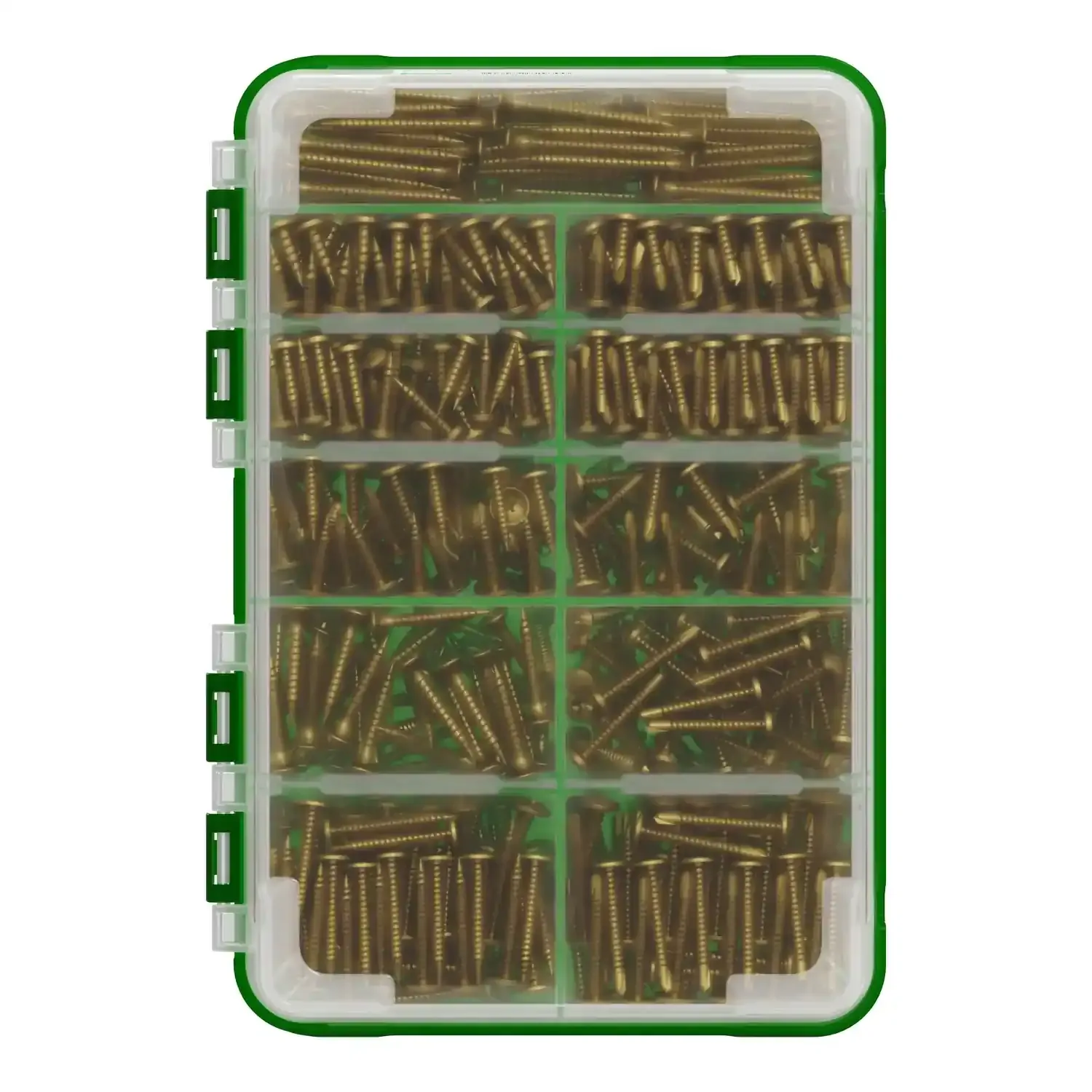
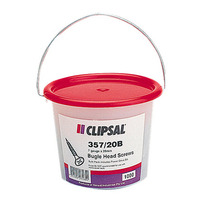
Bucket packs and jar quantities provide the best per-unit cost for high-usage lines. For contractor and commercial quantities above standard stock levels, contact the Sparky Direct team directly to discuss trade pricing. Clipsal bucket packs are available in 250, 500, and 1000-count options depending on the screw size, making it straightforward to keep consistent stock across multiple vans or site boxes.
Returns, Exchanges, and Order Support
Sparky Direct's 100 Day Money Back Guarantee covers change-of-mind returns on unused, undamaged items in original packaging. For incorrect orders, contact the customer service team promptly: screws purchased in sealed buckets or jars that remain sealed are straightforward to return. Open containers are generally not accepted for return unless the product is faulty. If you are unsure which screw or fixing is correct for your application, the team can assist with selection before you place an order.
Selecting Professional-Grade Screw Brands
Brand selection matters for consistency and reliability. The following brands are stocked by Sparky Direct and are trusted by trade professionals in Australia.
Preferred Screw Brands for Professional Electricians
Clipsal self-drilling screws are the industry standard for electrical installation work in Australia. Their bugle head, pan head, wafer head, and washer head ranges cover every common application encountered on a residential or commercial job. Clipsal bucket packs include a free Phillips double-ended magnetic bit, which is a practical addition for any toolbox. TuffStuff pan head and bugle head screws offer a reliable alternative in bucket quantities. Macsim specialises in drywall and framing fasteners and is widely used in commercial construction. GripIt Anchors and Hobson Engineering supply specialist cavity and masonry fixings for higher-load applications.
Top Brands for Heavy-Duty Fixings
For heavy-duty anchor work in concrete and masonry, select brands whose products carry load ratings certified to Australian and New Zealand standards. Verify pull-out and shear strength ratings before specifying anchors for equipment supports or cable tray systems. GripIt plasterboard fixings carry stated weight ratings per anchor. Always apply an appropriate safety factor to the rated load: a fixing rated at 60 kg should not be used at its maximum rated capacity in a permanent installation without engineering review.
Compliance with Australian Standards
Fasteners used in electrical installations must provide adequate mechanical support as required by AS/NZS 3000:2018 (Wiring Rules). Fixings for equipment must resist the mechanical forces likely to be applied in normal use. Screws used in switchboard assembly must comply with the torque requirements specified in the switchboard manufacturer's documentation. Using substandard or incorrect fasteners in a compliant installation is a defect that may be identified during inspection. Sparky Direct stocks trade-quality products from established suppliers: all products can be traced back to a verifiable manufacturer and product specification.
Product Videos
Watch Clipsal 357/75B Self Drilling Screw, Bugle Head, 8Gx75mm, 250 per Bucket Incl. FREE Phillips Double-Ended Magnetic Screwdriver Bit video
Watch Clipsal 357/50B Self Drilling Screw, Bugle Head, 8Gx50mm, 500 per Bucket Incl. Free Phillips (Ph.2) Double-Ended Magnetic Screwdriver Bit video
Watch TuffStuff PAN630B | Pan Head Needle Point 6gx30mm | 500 Bucket video
What Sparky Direct Customers Say

These are fantastic for installing a ceiling fan timber in a roof space. With your drill on the low speed you can drill through the truss and into your noggin with confidence
Bought an assortment of the Gripit devices for future use when required and to share with friends when required. They appear good quality and have high weight rating.
What can I say, but they're screws and they do exactly what you'd expected. Quality is good, happy camper.
- Screws and fixings cover self-drilling, bugle head, pan head, wafer head, washer head, machine screws, anchors, and wall plugs: each type suits specific materials and load requirements.
- Clipsal self-drilling bucket packs (7G and 8G) are the standard for electrical installation work in timber framing and plasterboard; match gauge and length to the substrate and load.
- For concrete and masonry, use pre-drilled holes with appropriate nylon nail-in anchors or masonry screws: standard wood or metal screws will not hold reliably.
- In coastal and outdoor environments, specify Class 3 coated, hot-dip galvanised, or Grade 316 stainless screws: zinc-plated fasteners will corrode within months in high-salt conditions.
- Always drill a pilot hole in hardwood and dense timber to prevent splitting and screw breakage; match pilot diameter to thread outer diameter.
- Sparky Direct stocks Clipsal, TuffStuff, Macsim, and GripIt fixings in trade quantities, with fast delivery Australia-wide including remote sites.
Shop Screws & Fixings at Sparky Direct
Quality products in stock • Fast Australia-wide delivery • Competitive trade pricing
Browse Screws & Fixings → Get Expert Advice →Screws Frequently Asked Questions
Do I need to pre-drill holes for screws?
Pre-drilling is recommended for harder materials or to reduce the risk of splitting timber.
Screws near me
Sparky Direct supplies screws Australia-wide, providing a wide range of fasteners with reliable delivery.
How are screws delivered?
Screws are packaged securely and shipped via standard courier services.
Can unused screws be returned?
Unused screws are usually eligible for return according to the seller’s returns policy.
What warranty applies to screws?
Warranty terms vary by manufacturer and generally cover defects in materials or manufacture.
Are screws sold in different pack sizes?
Screws are available in various pack sizes, from small packs to bulk quantities for trade use.
Do screws require maintenance?
Most screws require little maintenance, though exposed screws should be checked for corrosion over time.
How do I prevent screws from stripping?
Using the correct driver bit, applying steady pressure, and avoiding over-tightening helps prevent stripping.
Are screws suitable for heavy loads?
Heavy loads require appropriately sized and rated screws, and in some cases additional fixings or anchors.
Can screws loosen over time?
Vibration, movement, or incorrect installation can cause screws to loosen, particularly in high-use areas.
What tools are needed to install screws?
Installation usually requires a screwdriver or drill with the correct driver bit for the screw head.
Are stainless steel screws better than standard steel screws?
Stainless steel screws offer superior corrosion resistance, making them ideal for outdoor or coastal environments.
Can screws be reused?
Some screws can be reused if they are undamaged, but repeated use may reduce holding strength.
What are screws used for?
Screws are used to fasten materials together across a wide range of applications, including construction, electrical installations, cabinetry, and general fixing.
What is the difference between wood screws and metal screws?
Wood screws have coarser threads for timber, while metal screws have finer threads designed for metal fixing.
How do I choose the right screw for my project?
Choosing the right screw depends on the materials being fixed, the environment, and the strength required.
Are screws suitable for electrical installations?
Screws are commonly used to secure electrical accessories and equipment, but electrical work must be performed by a licensed electrician.
What sizes do screws come in?
Screws are available in a wide range of lengths, diameters, and thread types to suit different fixing requirements.
Can screws be used outdoors?
Outdoor use requires screws with suitable corrosion resistance, such as stainless steel or galvanised finishes.
Are screws rated for load capacity?
Some screws have load ratings based on size, material, and application, while others are general-purpose and not structurally rated.
What coatings are used on screws?
Screws may be zinc plated, galvanised, stainless steel, or coated to improve corrosion resistance and durability.
What screw head types are available?
Common screw head types include Phillips, slotted, square, hex, and Torx, each suited to different tools and torque requirements.
Do screws comply with Australian standards?
Many screws are manufactured and tested in line with relevant AS/NZS standards, but compliance depends on the specific product and application.
Are there different types of screws for different materials?
Yes, screws are designed for specific materials such as timber, metal, masonry, and plasterboard to ensure proper grip and performance.
What materials are screws made from?
Screws are commonly made from steel, stainless steel, brass, or other alloys, with different finishes to suit indoor and outdoor environments.