
Search Results:
Search Results:
Search Results:
Search Results:
Buyers often compare button head screws against countersunk, pan head, wafer head, and socket head cap screws. The right pick depends on clearance, appearance, clamping force, and how much torque the joint needs to carry.
A button head screw, also called a button head socket screw, button socket cap screw, button Allen head, or BHCS, is a machine fastener with a low rounded head and an internal hex drive. In Australia the trade catalogues are dominated by metric sizes such as M3, M4, M5, M6, M8, and M10. The drive is almost always an Allen key socket, which makes it easy to drive recessed fixings in enclosures and panels.
The hex socket transfers torque from an Allen key or hex bit into the fastener. The wide, rounded head then spreads clamping load across the surface of the panel or bracket. The head sits proud of the work, but not fully flush like a countersunk or bugle head screw.
Countersunk screws sit fully flush only when the hole is countersunk to match the head angle. Button head screws sit proud with a smooth low dome and do not require a countersunk recess. Choose countersunk where a flush face is mandatory, such as a sliding surface or a fitted panel. Choose button heads where a low-profile visible finish is acceptable.
Pan head screws usually have a Phillips or square drive and a flatter top, while wafer head screws have a very wide thin head for clamping soft sheet materials. Pan heads suit general bracket and box fastening. Wafer heads suit thin gypsum or fibre cement. Button heads suit neater visible assemblies and hex-drive applications where appearance and torque control matter.
Socket head cap screws have a deeper hex socket and a taller cylindrical head. They accept higher tightening torque and are preferred for clamp-critical mechanical joints. Button heads offer lower height and cleaner appearance, but their shallower socket and lower torque capacity make them a poor choice for high-preload structural joints.
Trade catalogues describe button head screws against the ISO 7380 specification. Knowing what the variants and dimensions mean saves time when matching screws to existing panels or equipment.
ISO 7380-1 describes the standard button head socket screw with a flat under-head seating face. It suits hard, flat surfaces and general panel fastening. Common metric sizes include M3, M4, M5, M6, M8, M10, M12, and M16, with lengths usually measured in 5 mm or 10 mm increments.
ISO 7380-2 covers the flanged variant. The integrated collar increases the bearing area and protects softer materials. Flanged button heads are widely used on aluminium extrusion, T-slot framing, painted panels, and any joint where a washer would otherwise be added. Modular framing, automation guards, machine bases, and workstation builds are typical use cases.
A size such as M5 x 12 means a 5 mm metric thread diameter and a 12 mm length, measured from the underside of the head to the screw tip. Common combinations include M5 x 12, M6 x 20, and M8 x 25. Coarse and fine metric pitches are not interchangeable, so always confirm the pitch when matching replacements.
Material and finish determine how long a button head screw will last in service. The right choice depends on the environment, the joint strength required, and any specified aesthetic finish.
Zinc-plated Class 10.9 carbon steel is the general-purpose option for indoor electrical assemblies. It suits dry internal panels, machinery covers, and protected equipment housings. Zinc plating offers limited protection in wet, coastal, or chemically aggressive environments. For exterior Queensland enclosures, switchboards close to salt spray, or industrial sites with chemical exposure, choose stainless steel instead.
Stainless steel button head screws are commonly supplied in grade 304 or grade 316. Grade 304 handles general indoor and protected outdoor service. Grade 316 contains added molybdenum and is the standard choice for coastal, marine, food processing, and high-humidity applications. Stainless-to-stainless threads can gall under load, so apply a suitable anti-seize compound on critical joints.
Class 12.9 high-tensile button heads, often supplied with a black oxide finish, offer higher tensile strength and a dark aesthetic. Black oxide alone gives only limited corrosion protection unless oiled or coated. Specify them where the environment is dry or where the dark finish is called up for appearance, not where corrosion resistance is the priority.
| Material / Finish | Typical Use | Environment |
|---|---|---|
| Zinc-plated Class 10.9 | Indoor panels, control cabinets, machinery covers | Dry, indoor, protected |
| Stainless steel 304 | General indoor and protected outdoor fixings | Indoor, sheltered outdoor |
| Stainless steel 316 | Coastal enclosures, marine equipment, food processing | Coastal, marine, high humidity |
| Black oxide Class 12.9 | High-strength mechanical joints, visible dark finish | Dry, indoor, low corrosion risk |
Electricians and contractors reach for button head screws on access covers, inspection panels, and equipment housings where a low-profile fastener gives a clean visible finish. They suit repeated service access because the hex drive resists camming out and the head shape limits cosmetic damage.
Button head screws work well on access covers, inspection panels, control cabinet doors, cable management brackets, and equipment housings inside electrical enclosures. The low dome reduces snag risk on adjacent cabling, and the hex socket allows controlled torque when the cover is taken on and off repeatedly. For surface mount enclosures or recessed enclosures, match the screw length to the housing wall thickness plus the captive nut depth.
Around switchboards, button heads are widely used on mounting rails, panel hardware, and machine guarding adjacent to electrical equipment. For certified electric switchboards and distribution boards, always check the manufacturer specification before substituting screws. Branded switchboard assemblies are tested with specific fasteners, and a non-conforming screw may affect the equipment listing.
Wall plates and branded electrical accessories generally require the specific replacement screws nominated by the manufacturer. For Clipsal, HPM, PDL, and Legrand accessories, the original screws are sized for the moulded boss, the thread engagement, and the visible finish of that product family. Before fitting a generic button head screw, confirm the thread, length, head profile, and any approved part number. For Clipsal accessories, the Clipsal 357 Series and 355A general accessories screws are the supplier-nominated replacements rather than a generic button head.
Compliance note: Certified switchboard equipment, RCBOs, and prefabricated assemblies are tested with specified fasteners. Substituting a generic button head screw into certified gear can affect the listing. Always check the equipment manual or contact the manufacturer before deviating from the nominated screw.
Button head screws are machine threads. They are designed to engage a matching female thread, not to cut their own thread into timber or plastic like a woodscrew. The substrate decides whether you tap the hole, fit a captive nut, or pick a different fastener altogether.
For sheet steel and aluminium panel work, button head machine screws engage tapped holes, nuts, rivnuts, or threaded inserts. As a rule of thumb, thread engagement should be at least one thread diameter for steel, and at least 1.5 to 2 diameters for aluminium. Common sizes for electrical panel fabrication are M4, M5, and M6 in zinc-plated or stainless steel.
ISO 7380-2 flanged button heads are the standard choice for aluminium extrusion and T-slot framing. The integrated flange protects soft anodised surfaces, increases bearing area, and replaces a separate washer. Typical applications include automation cells, machine guards, workstation frames, and modular control panel framing.
Button head machine screws are not designed to thread directly into timber or plastic. For timber, use a purpose-made timber screw with a coarse thread and a sharp point. For plastic, fit a threaded insert and run a button head machine screw into the insert. This avoids pull-through and cracking in softer materials.
Buyers searching broadly for electrical screws often weigh button heads against pan heads, branded replacement screws, and tamper-resistant options. The right pick depends on appearance, drive style, compatibility, and security needs.
Pan head screws have a flatter top and usually a Phillips or square drive. They suit general bracket fastening where appearance is less critical and a Phillips driver is the on-hand tool. Button heads suit lower-profile visible fixings, hex drive control, and visible assemblies in finished installations. The pan head bearing surface can be slightly wider, but the button head domed shape is generally tidier.
The Clipsal 357 Series screws are specific electrical accessory and self-drilling screws, supplied for mounting Clipsal switches, sockets, and brackets. They are sized for the moulded bosses in Clipsal accessories. Button heads are broader engineering and panel fasteners. Use the exact Clipsal screw nominated for branded wall plates and accessories where compliance, fit, or finish depends on the original screw.
A standard internal hex button head is not inherently tamper resistant. A common Allen key will open it. Tamper-resistant versions exist with pin-in-hex, Torx security drive, or one-way drive formats. For public-facing electrical equipment, restricted-access panels, or vandal-prone enclosures, specify a security drive screw rather than a standard hex button head.
Good fastening practice protects the screw, the thread, and the assembly. Hex sockets are easy to strip if the wrong tool or too much torque is applied, so the basics around driver choice and torque control matter.
Match the hex key size to the screw socket size, not the screw thread size. An M5 button head usually takes a 3 mm hex key, and an M6 button head usually takes a 4 mm hex key. Worn Allen keys round the socket. Impact drivers can apply far more torque than a small button head can carry, so use a hand driver or a torque-limited tool for small sizes. The right driver bits and a quality screwdriver kit protect every joint you build.
Button head sockets are shallower than socket head cap screw sockets. For production work and any joint that will be opened and closed many times, use a torque-limited tool. Over-tightening can strip the socket, gall the thread, or mark the panel face. As a rough guide, snug the screw, then turn another quarter turn for general panel work, less for fine sheet metal.
For vibration-prone assemblies such as machine guards, motor covers, or fan housings, a medium-strength thread locking compound is often specified. For stainless-to-stainless joints, apply an anti-seize compound to reduce galling. Replace any screw with a rounded socket, galled thread, or visible corrosion. A cheap replacement screw is faster than drilling out a seized fastener.
Buying button head screws online makes sense when you can confirm size, finish, and quantity from the product page. For trade buyers, bulk pack pricing and quick dispatch usually matter more than browsing the shelves at a local hardware store.
Confirm the thread diameter, length, pitch, material, finish, property class, and head variant before adding to cart. If you are matching an existing fastener, measure a sample with callipers or check the equipment manual. Standard Australian button head stock is metric, so confirm the pitch is coarse unless the equipment specifies fine metric. For fast-moving stocked sizes such as M5 and M6, dispatch is usually quick from local Australian warehouses.
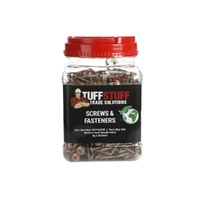
Bulk packs make sense for electrical contractors, fabricators, maintenance teams, and commercial fit-out crews who use the same sizes repeatedly. Standardising on a few common sizes such as M4, M5, and M6 reduces the number of part lines on the van and simplifies stocktaking. Screws bucket packs and other bulk formats keep the unit cost down on high-volume jobs.
Useful adjacents on the same job include anchor screws, self drilling screws, washer head screws, and screw connectors. For mounting hardware, the electrical mounting blocks and powerpoint mounting brackets ranges cover the bracket side of the job. Cable management and screwdrivers round out the trade-fitout kit.
Use this short checklist before ordering button head screws for an electrical, panel, or fabrication job. It covers the specification points that determine fit, strength, and corrosion life.
Club Clipsal is Australia's largest electrician community offering trade rewards, business support, and exclusive benefits. When you nominate Sparky Direct as your preferred wholesaler, we automatically apply your Clipsal spend points to your Club Clipsal account daily.
Entry-level offering coaching, mentoring, and training discounts
Unlock exclusive industry tools and networking events
Access Toyota fleet offers and business software discounts
Maximum benefits, including VIP experiences and rewards
1. Sign Up: Create your Club Clipsal account at clipsal.com/club-clipsal or via the iCat mobile app
2. Nominate Sparky Direct: Select Sparky Direct from the wholesaler dropdown menu in your profile
3. Add Email: Enter your Sparky Direct account email address in the membership number field
4. Start Earning: Every dollar spent on Clipsal products earns points automatically
Redeem points from the rewards store, including gift cards, tools, and experiences. Access business summits, product training, and industry networking events. Receive early access to new product launches and special promotions. Connect with fellow electricians via the Club Clipsal community app.
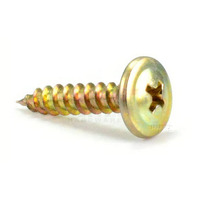
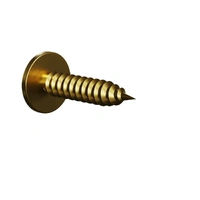
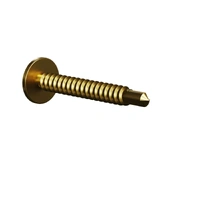
Watch TuffStuff BUTN825 | Washer Head Needle Point 8gx25mm 100 Bag video
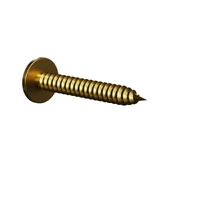
Watch TuffStuff BUTN815 | Washer Head Needle Point 8gx15mm 100 Bag video
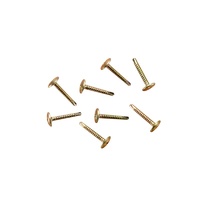
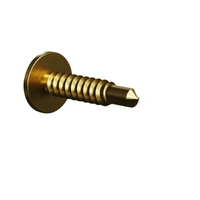
Watch Clipsal 357WH25 Self Drilling Screw, Washer Head, 8Gx25mm, 100 per Pack video

These are fantastic for installing a ceiling fan timber in a roof space. With your drill on the low speed you can drill through the truss and into your noggin with confidence
What can I say, but they're screws and they do exactly what you'd expected. Quality is good, happy camper.
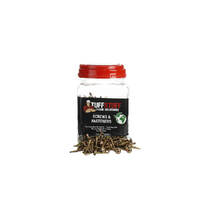
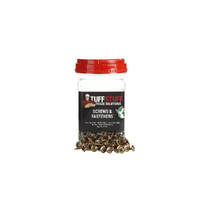
Handy container for the van or Ute, quality is good. Like these for wall mates and the like.
Quality products in stock • Fast Australia-wide delivery • Competitive trade pricing
Browse Button Head Screws → Get Expert Advice →