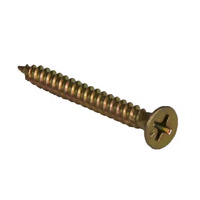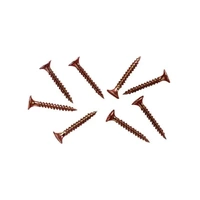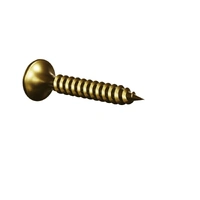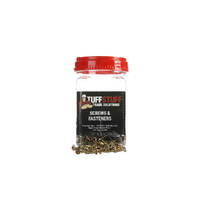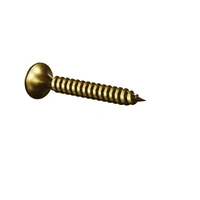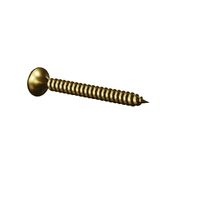


6gx20mm
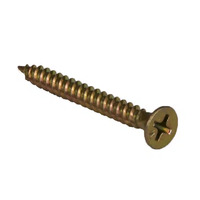
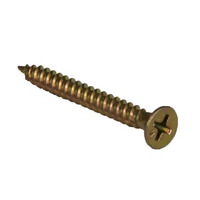
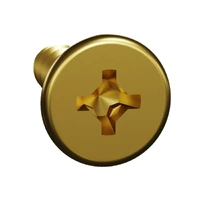
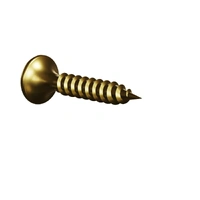
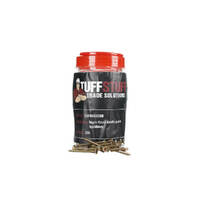
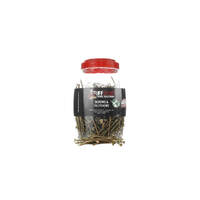
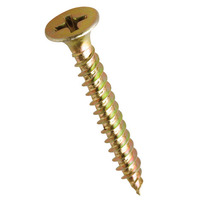
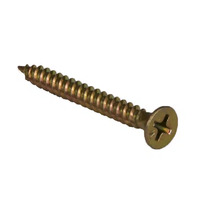
TuffStuff BUG620 | Bugle Head Needle point 6gx20mm | 100 Bag.. Discontinued
$2.38
$2.16 ex. GST
Search Results:
Search Results:
The bugle head takes its name from its shape: a concave, trumpet-like curve where the head meets the shank. That curve transitions smoothly into the substrate instead of cutting a hard countersunk recess, which matters for softer materials like plasterboard paper, fibre cement, and softwood framing. The curve spreads pressure rather than concentrating it at the surface.
A correctly seated bugle head should sit flush with the surface, or just below, rather than buried deep into the material. Over-driving weakens holding strength and can crush plasterboard paper or chew timber fibres around the head, which then leads to costly rework on visible boards or finished linings.
Compared with flat, pan, wafer, or button heads, the bugle profile reduces surface deformation across every common substrate. The curved underside acts like a built-in countersink, which removes the need for a separate drilling step. The screw seats itself as it drives, finishing flush without splitting the face material or tearing the surface paper.
Flat head screws usually need a countersunk recess to finish neatly. Pan head screws sit proud of the surface and suit brackets, fixtures, and any job where clamping surface area matters. Wafer head screws are low-profile but lack the curved load distribution. Button head screws, pan head screws, and wafer head screws each have a role. For flush fastening into sheet materials, plasterboard, timber, and decking, the bugle head is the right call.
Bugle head screws cover a wide range of trade fastening jobs across residential, commercial, and renovation work. The right thread, point, and length depend on the substrate, so the sections below break down the four most common use cases for Australian trade buyers.
Bugle head plasterboard screws are the standard fastener for fixing plasterboard sheets to timber or steel framing across residential and commercial builds. The curved head prevents tearing of the plasterboard paper face during installation, which protects the finish under paint or wallpaper. Trade applications include wall lining, ceiling sheets, partition walls, and renovation patching where finish quality matters. Use coarse thread for timber framing and fine thread for light gauge steel stud applications.
Larger-gauge bugle head screws handle timber-to-timber fixing, floor sheeting, wall plates, and general carpentry across most residential builds. Screw length, gauge, and thread engagement together determine the holding strength of the connection. Type 17 points work well in timber and decking, where reduced splitting and faster starting are useful on hardwood and treated pine. Structural applications require screws with published load data and matching compliance documentation from the manufacturer.
For light gauge steel framing, metal battens, brackets, and sheeting, use self-drilling screws with fine thread and a drill-point tip. The point size must match the steel thickness to drill cleanly without snapping or skating across the surface. Coarse thread timber screws should never substitute for metal framing work, because the thread engagement is wrong for the material and the screw will fail under load.
Electricians use bugle head screws for fixing lightweight framing, backing boards, timber supports, ceiling battens, and non-structural sheeting. Stocking common sizes makes maintenance work, small jobs, and fit-out runs faster. A neat flush finish matters around visible boards, linings, or internal fit-outs. Any fixing into electrical enclosures, switchboards, or regulated systems must follow manufacturer requirements and licensed trade practice.
Three variables decide whether a bugle head screw will perform: thread pattern, point style, and material. Getting any one wrong leads to stripping, poor holding, or premature failure.
The rule is simple: match the thread pattern to the substrate every time. Coarse threads grip timber and soft materials, while fine threads engage cleanly with steel. Using a coarse thread in light gauge metal results in stripped holes and poor pull-out resistance, and using fine thread in timber leads to weak holding that can fail under load.
Point style should be selected before coating or pack size, because the wrong point causes installation failure regardless of how good the rest of the screw is. Type 17 cutting points work for timber, including hardwood and treated pine, while self-drilling Tek-style points handle steel and metal framing. Sharp point drywall screws cover plasterboard work and general interior fastening across most fit-out applications.
Carbon steel suits dry internal work, while stainless steel handles exterior and coastal environments where moisture is a constant factor. Hot-dipped galvanised screws are the standard for treated timber and outdoor work where chemical reactions with treatment chemicals matter. Queensland coastal sites, wet areas, and treated timber jobs need stronger corrosion protection than dry internal fit-outs, and for marine or high-corrosion locations, 316 stainless is preferred over 304. Using the wrong material leads to rust staining, loss of holding strength, and early failure of the connection.
Zinc plating is a budget dry-internal coating that suits indoor non-exposed work. Phosphate coating is standard on drywall and plasterboard screws, especially where paint or plaster compound adhesion matters during finishing. Hot-dipped galvanised coatings suit exterior timber and treated pine where service life and corrosion resistance are critical. Coating choice should match exposure class, substrate, and expected service life for the project.
Gauge sets the screw diameter and the strength available, while length sets the embedment depth into the framing. Both variables need to match the job and the substrate to deliver the holding strength and finish quality the application requires.
Common bugle head screw gauges include 6g, 8g, and 10g across most trade-supplied product lines. Heavier gauges increase strength and holding power, but also need more care in dense or brittle materials where splitting is a risk. Plasterboard usually uses lighter gauges, while decking and timber construction often require heavier gauges for adequate holding. For structural or high-load use, always verify manufacturer specifications and load tables before installation.
Screw length must provide adequate embedment into the framing or substrate to deliver the required holding strength. Shorter screws suit single-layer plasterboard, while longer screws suit thicker sheeting, timber, decking, or structural board. Excessive length can strike hidden services or protrude through framing into the next cavity, which creates safety and finish problems. Always check wall, ceiling, or floor cavities before fixing, and follow project documentation when working around services.
One screw type does not cover every job across plasterboard, timber, decking, and metal applications. Plasterboard to timber, plasterboard to steel, decking to joists, timber sheeting to framing, and light gauge steel all need different combinations of gauge, length, thread, and point style. For trade and compliance-critical work, match the product datasheet to the application before ordering bulk packs.
Drive type affects how reliably torque transfers from the bit to the screw during installation. The wrong drive, or a worn bit, leads to cam-out, stripped heads, and slow installation across high-volume work.
Phillips drive is common in plasterboard and general construction, but it is more prone to cam-out under high torque or when bits start to wear. Square drive offers stronger torque transfer and suits repetitive trade fastening where bit life matters across a long shift. Combination drive accepts both Phillips and square bits, which helps on sites where different crews use different drivers without slowing the workflow. Driver bits and drill bits should be matched precisely to the drive style for clean engagement.
The main causes of stripped heads are incorrect bit size, worn bits, too much speed, excessive torque, driving at an angle, and low-quality screws. Match the bit exactly to the drive type and replace worn driver bits regularly, because a worn bit chews the recess on every screw it touches. Depth-stop screwguns suit plasterboard work where consistent seating depth matters, while controlled torque suits decking and timber where over-driving snaps screws. Impact drivers are efficient for high-volume work, but they need careful use to avoid over-driving or damaging the screw head.
Correct seating depth is flush or slightly recessed, depending on the material and finish requirement for the visible surface. Over-driving weakens holding strength and damages plasterboard paper or timber fibres around the head. Adjustable depth tools help on plasterboard work, while pilot holes may be needed in dense hardwood or treated pine. For regulated or structural contexts, follow manufacturer and project specifications rather than improvised installation methods that may not meet compliance.
Australian sites bring specific challenges: treated timber, humid coastal exposure, cyclonic regions, and bushfire-prone zones. The screws used must match those conditions and the relevant compliance framework.
Relevant context can include AS 3566 for self-drilling screws, NCC requirements, manufacturer load tables, and project engineering specifications. Structural or inspected connections require screws with published technical data, not generic unverified fasteners. Product datasheets covering material, coating, drill point, thread type, and approved substrate are important. For builders, electricians, and contractors managing risk, compliance documentation is not optional.
Treated pine, outdoor decking, fencing, and exterior framing all need corrosion-resistant fasteners. Hot-dipped galvanised or stainless steel are the common choices, with selection driven by exposure and timber treatment. Queensland and coastal Australian sites face humidity and salt that accelerate corrosion. Incorrect fastener coating can void warranties and create long-term safety or maintenance problems.
Many bugle head screws suit fixing and sheeting but are not automatically rated for structural connections. Structural fixing requires screws specifically rated for the load and the application.
Non-Structural Applications: Plasterboard, linings, light backing boards, and temporary fit-out elements typically suit standard bugle head screws.
Requires Verification: Decking, flooring, bracing, framing, load-bearing timber, and cyclonic or bushfire-region applications require rated fasteners with manufacturer load data and project engineering approval.
Bugle head screws are not the right answer for every fastening job. Knowing where they fit, and where another fastener performs better, leads to faster builds and fewer reworks.
Screws offer higher pull-out resistance and easier removal than nails, while nails are faster for high-volume framing where a nail gun is part of the workflow. Screws suit renovation, fit-out, and any job where disassembly or future adjustment may be needed across the building's life. Nail or screw selection depends on the load path, substrate, building specification, and the fastening system the project engineer has approved.
Rivets are permanent fasteners that suit jobs where vibration resistance or limited rear access makes screws impractical. Self-drilling bugle head screws are faster where both faces are accessible and disassembly may be needed for service or future modification. Sheet metal, HVAC, light gauge steel framing, and enclosure-style work all involve trade-offs between the two fastener types.
Structural screws carry certified design loads and are built for load-bearing applications such as timber connections and bracing. Standard bugle head screws should not be treated as structural fasteners unless the manufacturer provides suitable load data and compliance documentation. The distinction matters: appearance-driven screw selection is a different decision to engineering-driven screw selection, and the two should not be confused on load-bearing work.
| Fastener Type | Best For | Key Limitation |
|---|---|---|
| Bugle Head Screws | Plasterboard, timber sheeting, decking, light fixing | Not load-rated unless certified |
| Nails | High-volume timber framing with nail gun | Lower pull-out, harder to remove |
| Rivets | Sheet metal, HVAC, limited rear access | Permanent, no disassembly |
| Structural Screws | Load-bearing timber, certified connections | Higher cost, project-specific spec |
Online trade supply suits fast replenishment, transparent pricing, and access to multiple screw types in one order. Electricians and sole traders benefit from no-account ordering, clear pack quantities, and reliable dispatch. Sparky Direct stocks screws bucket packs for high-volume work and smaller pack sizes for maintenance jobs.
Confirm the substrate first, since this drives every other decision: plasterboard, timber, treated pine, hardwood, metal, composite, or sheeting. Confirm the environment next, because exposure class changes the coating and material required: internal dry, wet area, exterior, coastal, industrial, or treated timber. Confirm the screw format including gauge, length, thread, point, drive, coating, and pack size before placing the order. Decide whether technical datasheets or compliance information are needed for the project, especially on structural or inspected work.
Bulk packs reduce the per-screw cost and avoid supply delays during fit-off or rough-in stages on tight build schedules. Maintenance work suits smaller packs that match the volume of a typical service call without leftover stock. Plasterboard, framing, decking, and project work generally suit bulk boxes or buckets sized for the job at hand. Practical stock items for trade vans include drywall screws, timber bugle screws, exterior-rated screws, and self-drilling metal screws.
Buying screws online makes sense when delivery is reliable and pack sizes are clearly listed against each product. Sparky Direct lists pack quantities, screw specifications, and brand details on each product page for trade buyers comparing options. Anchor screws, wall plugs, and self-drilling screws sit alongside bugle head packs for one-order procurement across mixed jobs.
Most bugle head screw issues come from the wrong fastener for the job, or installation outside the screw's design envelope. The three sub-sections below cover the most common faults reported by trade users on real jobs.
Causes include the wrong driver bit, worn bits, the wrong drive type for the screw, excessive torque, low-quality fasteners, and driving at an angle to the substrate. Square drive or combination drive can reduce cam-out in high-volume or high-torque work where Phillips bits start to slip under load. Replacing bits regularly is cheaper than damaging screws, linings, or finished boards on a visible feature wall.
Rust usually means the coating or material is wrong for the environment, especially in coastal or treated timber applications. Snapping comes from over-driving, undersized pilot holes in hardwood, poor steel quality, or using the wrong screw type for the metal thickness. Holding loss results from over-driving, wrong length, wrong thread pattern, or inadequate embedment into the framing behind the surface. Following manufacturer guidance and correct screw selection prevents most of these common failures.
Structural screws are the right call when load certification is required for the connection. Stainless or HDG screws are the right call for exterior or treated timber where corrosion is a long-term risk. Self-drilling fine-thread screws are the right call for steel framing where coarse thread will strip. Plasterboard-specific screws are the right call when finish quality and face paper retention matter on visible internal linings.
Watch Macsim Screw buglehead 7x 45mm (1000 pack) | 20B0745 video
Watch Clipsal 357/30 Self Drilling Screw, Bugle Head, 7Gx30mm, 100 per Pack video
Watch Clipsal 357/45B Self Drilling Screw, Bugle Head, 7Gx45mm, 500 per Bucket video

These are fantastic for installing a ceiling fan timber in a roof space. With your drill on the low speed you can drill through the truss and into your noggin with confidence
Handy container for the van or Ute, quality is good. Like these for wall mates and the like.
What can I say, but they're screws and they do exactly what you'd expected. Quality is good, happy camper.
Trusted brands • Expert advice • Fast Australia-wide delivery • Trade pricing
Shop Bugle Head Screws → Get Expert Advice →