
Win Your Height In Beer on Clipsal orders $110 + FREE SHIPPING on Clipsal Orders $330 See More

Search Results:

    There doesn't appear to be any pages that match your search. Try more general keywords, or just ask us!

    Search Results:

    Product Category Suggestions
      Pages

        Air Conditioning Accessories

        Accessories image


        Air conditioning accessories include installation components like pair coils, mounting brackets, condensate pumps, flexible ducts, and drainage trays. These parts ensure proper AC system performance and compliance with Australian Standards. Available for split systems, ducted units, and portable air conditioners. Sparky Direct supplies trade quality accessories across Australia with fast delivery.
        Contents
        1. What Are Air Conditioning Accessories?
        2. Essential Installation Accessories
        3. Split System Installation Requirements
        4. Universal vs Brand-Specific Accessories
        5. Where to Buy in Australia
        6. Understanding Insulated Pair Coils
        7. Wall Brackets and Mounting Solutions
        8. Condensate Drainage Systems
        9. Copper Tube Bending and Brazing
        10. Product Videos
        11. What Our Customers Say
        12. Quick Summary
        13. Frequently Asked Questions

        What Are Air Conditioning Accessories?

        Air conditioning accessories are components required for the proper installation, maintenance, and operation of cooling systems.

        These parts bridge the gap between the main AC unit and your building's structure.

        Core Accessory Categories

        Installation Hardware

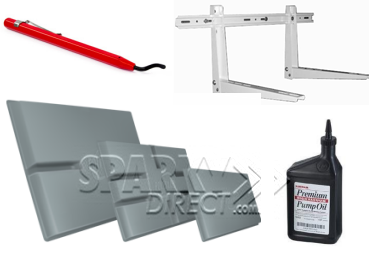
        • Mounting brackets and wall supports
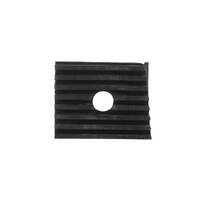
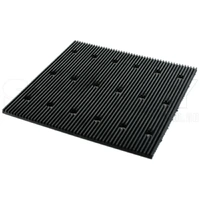
        • Anti-vibration pads and waffle pads
        • Concrete slabs and roof stands
        • Adjustable brackets (up to 150kg capacity)

        Piping and Refrigerant

        • Insulated pair coils (R1.0, R1.2, R1.5)
        • Copper tube benders
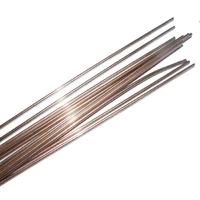
        • Silver brazing rods
        • Pressure test equipment

        Drainage Components

        • Condensate drain pipes
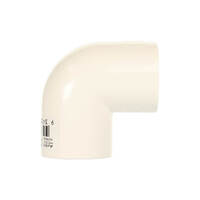
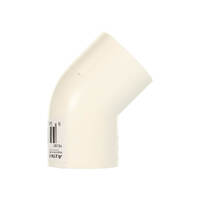
        • Drain pipe elbows and fittings
        • Condensate pumps (up to 20L/hr)
        • Drip trays and collection pans

        Sealing and Insulation

        • Reinforced aluminium foil tape
        • Duct insulation materials
        • Cable entry seals
        • Weatherproofing compounds

        Cleaning and Maintenance

        • Evaporator coil cleaners
        • Condenser cleaning solutions
        • Filter replacement kits
        • Fin combs and repair tools

        Electrical Components

        • Isolator switches and stands
        • Cable management systems
        • Disconnect boxes
        • Wiring accessories

        These accessories ensure installations comply with AS/NZS 3000:2018, the Australian Wiring Rules, and the manufacturer's specifications.

        Essential Air Conditioning Installation Accessories

        Professional AC installations require specific accessories for safety, performance, and compliance.

        Must-Have Components

        Accessory Purpose Common Sizes/Specs
        Wall Brackets Support outdoor condenser units 120kg-150kg capacity, adjustable depth
        Anti-Vibration Pads Reduce noise and vibration transfer Waffle pattern, rubber construction
        Insulated Pair Coils Refrigerant line connection triple-layer insulation system
        Drain Pipes Remove condensate water 20mm, 90° elbows, white PVC
        Foil Tape Seal refrigerant line insulation 72mm x 50m, reinforced aluminium
        Condensate Pumps Lift condensate when gravity drainage is unavailable 20L/hr capacity, 230V

        Trade Tip: Installation Planning

        Calculate your accessory requirements before starting. Measure the wall bracket depth needed, the refrigerant line distance, and the drainage path. Order 10% extra consumables, such as foil tape and brazing rods, to avoid project delays.

        What Accessories Do I Need to Install a Split System Air Conditioner in Australia?

        Australian installations require specific accessories to handle different climates and building requirements.

        Complete Split System Installation Kit

        Outdoor Unit Support

        Refrigerant Lines

        Condensate Drainage

        Electrical Accessories

        • Isolator switch (AS/NZS 3000 requirement)
        • Cable glands and weatherproof seals
        • Appropriate cable sizing per distance

        Brisbane Climate Considerations

        Queensland's high humidity and temperatures demand quality accessories:

        • Enhanced insulation: R1.5 pair coils prevent condensation on refrigerant lines
        • Proper drainage: High condensate production requires reliable drain systems
        • UV-resistant materials: Powder-coated brackets withstand Queensland's sun
        • Corrosion resistance: Marine-grade hardware for coastal installations

        Professional Installation Required

        Air conditioning installation and refrigerant handling require an ARCtick licensed technician under Australian regulations. Electrical connections must be performed by licensed electricians in accordance with AS/NZS 3000:2018.

        Are Air Conditioning Accessories Universal or Do They Need to Match Specific Brands?

        Most AC accessories are universal, but some components require brand-specific matching.

        Universal Accessories

        These accessories work across all AC brands and models:

        Mounting Hardware

        • Wall brackets (sized by weight capacity)
        • Anti-vibration pads
        • Concrete slabs
        • Roof mounting stands

        Installation Tools

        Drainage Components

        Sealing Materials

        Brand-Specific Requirements

        Some components must match your AC manufacturer:

        • Remote controls: Brand-specific programming and frequency
        • Filters: Sized to exact indoor unit dimensions
        • Mounting plates: Some indoor units use proprietary wall plates
        • Control panels: Manufacturer-specific wiring interfaces
        • Refrigerant specifications: System design determines R32, R410A, or R22 compatibility

        Copper Refrigerant Lines

        Insulated pair coils are technically universal but must match:

        • Pipe diameter: Usually 1/4" and 3/8" or 1/4" and 1/2" depending on capacity
        • Length requirements: Maximum run specified by manufacturer
        • Insulation rating: R1.0, R1.2, or R1.5 based on climate and application
        • Pressure ratings: Must handle system refrigerant pressures

        Always Check Specifications

        Verify accessory compatibility with your AC model's installation manual. Manufacturers specify exact requirements for brackets, pipe sizes, and electrical connections. Using incorrect accessories can void the warranty or cause system failure.

        Where Can I Buy Air Conditioning Accessories for Trade Customers in Australia?

        Sparky Direct supplies trade-quality AC accessories across Australia with fast delivery and trade pricing.

        Why Trade Customers Choose Sparky Direct

        Massive Stock Holdings

        • Same-day pickup available North of Brisbane
        • Fast Australia-wide delivery
        • Real-time stock visibility
        • Local technical support

        Sparky Direct Benefits

        • Competitive pricing
        • Volume discounts every day
        • Transparent Pricing
        • Best trade price online

        Comprehensive Range

        • Major brands stocked
        • Installation accessories
        • Professional tools
        • Maintenance products

        Expert Support

        • Technical product advice
        • Compliance information
        • Product recommendations
        • Experienced electrical team

        Featured AC Accessories in Stock

        Online Ordering Made Easy

        Browse our complete air conditioning accessories range online at sparkydirect.com.au.

        Order 24/7 with secure payment options.

        Trade accounts are not required, best price upfront for tradies, renovators, builders and Industrial customers.

        What's the Difference Between R1.0, R1.2, and R1.5 Insulated Pair Coils?

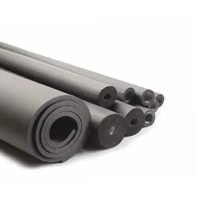
        Insulated pair coils are pre-insulated copper refrigerant lines. The R-value indicates thermal insulation performance.

        R-Value Comparison

        R-Value Insulation Thickness Best Applications Climate Suitability
        R1.0 Thinnest (approx 6-8mm) Short indoor runs, climate-controlled areas Temperate climates, indoor installations
        R1.2 Medium (approx 10-13mm) Standard outdoor/indoor runs Most Australian climates
        R1.5 Thickest (approx 15-19mm) Long outdoor runs, humid environments Queensland, tropical regions, coastal areas

        What R-Value Means

        R-value measures thermal resistance. Higher R-values provide better insulation:

        • R1.0: Basic insulation prevents condensation in controlled environments
        • R1.2: Standard protection for typical installations
        • R1.5: Maximum protection against heat gain and condensation

        Choosing the Right R-Value

        Use R1.0 when:

        • Refrigerant lines run entirely inside climate-controlled spaces
        • Distance between units is minimal (under 3 metres)
        • Installation is in cool, dry climates

        Use R1.2 when:

        • Lines run through the roof cavities or the wall spaces
        • Moderate climate conditions exist
        • Standard residential installations in southern states

        Use R1.5 when:

        • Installing in Brisbane or Queensland's high-humidity regions
        • Refrigerant lines run outdoors or in unconditioned spaces
        • Long-distance runs (over 10 metres)
        • Coastal installations with salt air exposure
        • Commercial applications requiring maximum efficiency

        Condensation Prevention

        Queensland's humid climate makes R1.5 insulation essential:

        • High ambient temperatures increase heat gain on refrigerant lines
        • Humidity causes condensation on under-insulated cold pipes
        • Inadequate insulation reduces system efficiency by 15-30%
        • Water damage from condensation affects ceilings and walls

        Hot Climate Recommendation

        For Hot Climate installations, always use R1.5-insulated pair coils for outdoor refrigerant line runs. The superior insulation prevents efficiency loss and condensation damage in our humid subtropical climate.

        Wall Brackets and Mounting Solutions

        Proper outdoor unit mounting ensures safety, reduces noise, and maintains system performance.

        Mounting Options

        Wall-Mounted Brackets

        • Capacity:120kg to 150kg
        • Adjustable depth:450mm-550mm
        • Powder-coated steel construction
        • Ideal for brick or concrete walls

        View wall brackets →

        Air Con Poly Slab Bases

        • Ground-level installations
        • Vibration-free support
        • Weather-resistant material
        • Easy levelling and positioning

        View Polyslabs →

        Roof-Mounted Stands

        • Isolator switch integrated
        • Space-saving solution
        • Drainage protection
        • Professional appearance

        View roof stands →

        Anti-Vibration Pads

        • Reduce noise transmission
        • Waffle pattern design
        • Weather-resistant rubber
        • Protect mounting surfaces

        View waffle pads →

        Installation Considerations

        Weight capacity: Check your AC unit's weight. Standard residential units range from 40 to 60kg. Select brackets rated at least double the unit weight for safety margin.

        Wall construction: Brick and concrete walls support heavy-duty brackets. Timber or lightweight construction may require alternative mounting methods.

        Clearances: Maintain a minimum clearance of 250mm around the condenser unit for airflow. Check manufacturer specifications.

        Drainage: Mount units level or slightly backward-tilted for proper condensate drainage.

        Noise control: Always use anti-vibration pads between the unit and the mounting surface. This prevents structure-borne noise transmission.

        Condensate Drainage Systems

        Air conditioners produce significant condensate water during operation. Brisbane's humidity increases condensate production.

        Gravity Drainage

        Most installations use gravity drainage where possible:

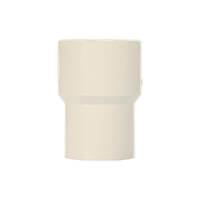
        • 20mm PVC pipe: Standard condensate drain size
        • Minimum fall: 1% gradient (10mm per metre)
        • Elbows and fittings: 90° bends for direction changes
        • Discharge point: Must not create safety hazards or nuisance

        Condensate Pumps

        When gravity drainage is unavailable, use condensate pumps:

        The Sauermann SI30 Mini Pump offers:

        • 20L/hr pumping capacity
        • Compact 230V installation
        • Lifts water up to 5 metres
        • Auto on/off operation
        • Safety shutoff prevents overflow

        Hot Climate Factors

        High humidity increases condensate production:

        • Standard 3.5kW system:1-2 litres per hour
        • High humidity conditions: up to 4 litres per hour
        • Ensure drainage capacity handles peak production
        • Check drain lines quarterly for blockages

        Drainage Compliance

        Condensate discharge must comply with local council requirements. Discharge to stormwater, gardens, or approved drainage points only. Never discharge onto footpaths or neighbouring properties.

        Copper Tube Bending and Brazing

        Professional refrigerant line installation requires proper copper working tools.

        Tube Bending

        The Polybender 3/8, 1/2, 5/8, 3/4 Internal Tube Bender creates smooth bends without kinking:

        • Internal bending method: Prevents tube collapse
        • Smooth radius curves: Maintain refrigerant flow
        • No tube flattening: Preserves internal diameter
        • Professional results: Clean, leak-free installations

        Brazing Connections

        Silver brazing rods create permanent, leak-free refrigerant connections:

        • Higher strength: Superior to soft soldering
        • Temperature resistance: Withstands system operating temperatures
        • Leak prevention: Creates hermetic seals
        • Code compliance: Required for refrigerant systems

        Brazing Best Practices

        • Use nitrogen purge during brazing to prevent oxidation
        • Clean copper thoroughly before joining
        • Apply flux to joint surfaces
        • Heat the joint evenly with oxy-acetylene or MAPP gas torch
        • Allow the joint to cool naturally without quenching
        • Pressure test all connections before charging the system

        ARCtick Licensing Required

        Only ARCtick licensed technicians can purchase, handle, and install refrigerant.

        Copper brazing for AC systems requires specific trade qualifications and refrigerant handling certification.

        Air Conditioning Installation Videos

        Learn how to use a Polybender on an air conditioning pipe.

        Learn more by watching our PPC FTR-72 | Reinforced Aluminium Foil Tape 72mm x 50m video.

        Browse complete installation guides, product comparisons, and technical specifications at Sparky Direct Air Conditioning Accessories

        What Our Customers Say

        Customer Review
        Poly bender, good quality, good price
        ★★★★★

        Used many different poly benders and this one is of good quality and I find it easy to remove after bending copper pipe. For this product you can't go wrong, quality and a good price.

        - Jason
        Verified Bazaarvoice Review
        Customer Review
        Adjustable Wall Bracket 120KG Powder Coated 365mm
        ★★★★★

        Excellent Service. Excellent Communications. Ordered online and went down to pick up next day when email received. Busy on pickup at Warehouse got got dealt with straight away superfast service. Thank You Team

        - Anonymous
        Verified Bazaarvoice Review
        Customer Review
        Better option compared to concrete aircon slab
        ★★★★★

        Much cheaper solution compared to a concrete slab. Easy to use and no issues long term either.

        - M D
        Verified Bazarrvoice Review

        Quick Summary (TL;DR)

        • Essential accessories: Wall brackets, anti-vibration pads, insulated pair coils, drainage systems, and brazing tools required for professional AC installation
        • Brisbane requirements: R1.5 insulated pair coils recommended for Queensland's humid climate to prevent condensation and maintain efficiency
        • Universal compatibility: Most mounting, drainage, and sealing accessories work across all AC brands;verify specific requirements in installation manuals
        • Trade supply: Sparky Direct stocks comprehensive AC accessories with Brisbane-based inventory, same-day pickup, and trade account facilities
        • Professional installation: ARCtick licensed technicians required for refrigerant work;licensed electricians required for electrical connections per AS/NZS 3000:2018
        • Quality matters: Proper accessories ensure compliance, system efficiency, and long-term performance in Australian conditions

        Need Air Conditioning Accessories?

        Shop our complete range online. Great Service - Fast Shipping.

        Shop AC AccessoriesContact Our Team
         

        Frequently Asked Questions About Air Conditioning Accessories

        Air Conditioning Accessories Australia | Online AC Supplies normally covers pair coils, drain pipes and fittings, duct covers, brackets, anti-vibration pads, condensate pumps, foil tape, cleaners and basic electrical hardware like isolator stands and cable management.

        For a typical split system, you usually need an insulated pair coil, a mounting bracket or slab, a drainpipe and fittings, ducting/capping, weatherproof fixings, and an isolator location. Exact parts depend on the AC size and the installer’s method, so always follow the unit’s installation manual.

        Common split system combinations are 1/4" + 3/8" for smaller units and 1/4" + 1/2" or 1/4" + 5/8" for larger systems.

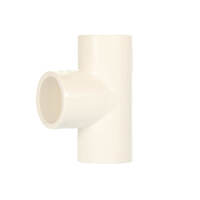
        Drain pipe is often 20 mm PVC with elbows, tees and joiners to suit.

        Always match sizes to the AC manufacturer’s installation table, as lengths and diameters vary by capacity.

        Any work on fixed wiring, isolators or supply circuits must be done by a licensed electrician, and all refrigerant work must be done by an ARCtick-licensed technician.

        Homeowners and handypersons should only handle non-electrical, non-refrigerant tasks if the installer and manual say it is safe.

        Your installer will normally need a pair of coils, a wall bracket or slab, a drain hose and fittings, ducting to hide pipes, fixings and an isolator position.

        They may also add cleaners, insulation tape and anti-vibration pads. Ask the installer for a simple parts list before you order.

        Check the outdoor unit weight and dimensions in the AC manual, then choose a bracket with a higher weight rating and enough depth for airflow.

        Sparky Direct's brackets list a clear kg rating, so match that to your unit with a large safety margin.

        Anti-vibration waffle pads under the feet, solid brackets or a stable slab, and correct drain routing all help reduce rattles.

        Keeping the unit level and away from the bedroom walls also makes a big difference.

        Most people use rigid duct covers and bends from Sparky Direct's large range to protect and hide the pair coil, drain and cables.

        Choose a size that fits all services.

        Yes, Sparky Direct ships Air Conditioning Accessories across Australia with fast delivery options, and you can order online 24/7 with upfront pricing.

        Tradies and homeowners can buy direct.

        A coil cleaner approved for your unit, a soft brush, a gentle outdoor cleaner and maybe spare filters are useful. Sparky Direct has loads of air conditioning accessories include coil cleaners and maintenance products, but always follow the AC manual so you do not damage fins or coatings

        Ask which products they plan to use, where the outdoor unit and isolator will sit, how the pipes and ducts will look on the wall, and how they will manage drainage. Also, confirm they are licensed and that the work will meet current Australian standards and manufacturer warranty rules.