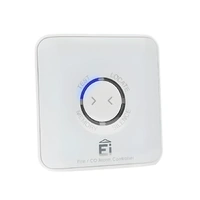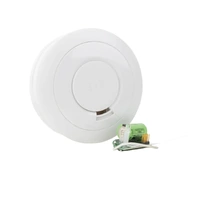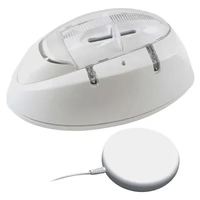

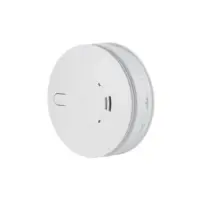
230V,9V
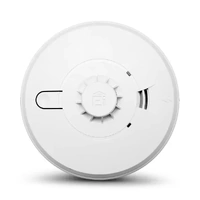
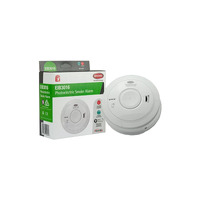
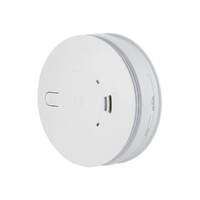
Brooks EIB146E | Photoelectric 230 Volt Smoke Alarm with 9 Volt Alkaline battery
$73.24
$66.58 ex. GST
Search Results:
Search Results:
Brooks smoke alarms are fire detection devices designed for Australian residential and property applications. They provide early warning of smoke and give occupants more time to evacuate safely, so the range suits electricians, builders, landlords, property managers, and informed homeowners who need dependable protection across whole properties. Buyers can select photoelectric, interconnectable, hardwired, battery, and heat alarm options to match different rooms and installation needs.
A smoke alarm is a self-contained detector that senses airborne smoke particles and sounds a loud warning. Early warning matters because it increases evacuation time and supports whole-home protection during the critical first minutes of a fire. Brooks alarms are built for fixed installation in dwellings rather than portable use, and compliance with AS 3786 is a key selection requirement, so buyers should confirm certification and model suitability before purchase.
Electricians value clear specifications, compatible accessories, and repeatable installation workflows. A consistent brand choice helps trades quote, install, and document jobs with fewer surprises, and Brooks supports this through model coverage, interconnection capability, and trade availability through Australian suppliers. Sparky Direct stocks smoke alarm products with accessible product documentation, which helps electricians confirm range clarity and plan repeatable upgrades for residential and rental work.
Compliance, documentation, interconnection, warranty support, and Australian distribution all matter when choosing a fire safety product. Generic or unbranded alarms may lack clear certification records or long-term supply for matching units. The practical difference is risk reduction and fit-for-purpose selection rather than any claim that one brand is universally superior. Choosing a documented, compliant alarm helps protect occupants and supports landlord and builder record-keeping.
The Brooks range spans several product categories, and each one solves a different installation need. Model choice should follow the property type, the relevant state requirements, the available power source, and the chosen interconnection method. The notes below explain the main options so buyers can shortlist suitable products before checking live stock. Always confirm current state rules and product datasheets before finalising a specification.
Photoelectric alarms detect smoke by sensing how light scatters when particles enter the sensing chamber. They respond well to the slow, smouldering fires that often start in homes overnight, so photoelectric alarms are generally preferred for residential sleeping areas. They also align with current Australian smoke alarm legislation, which increasingly favours photoelectric detection for dwellings.
Hardwired units connect to 240V mains power and include a backup battery so they keep working during a power outage. This combination suits new builds, major renovations, and switchboard-connected compliance upgrades. Hardwired installation involves fixed electrical wiring, so it must be completed by a licensed electrician. Mains power removes routine battery changes while the backup battery maintains protection during blackouts.
Battery-powered models suit retrofit work and low-disruption upgrades where running new cabling is impractical. Buyers can choose replaceable-battery alarms or sealed 10-year lithium units that need no battery changes across their service life. Sealed lithium models reduce maintenance and missed battery replacements, which helps with lifecycle planning. For rental portfolios, sealed units simplify scheduled maintenance and reduce tenant call-outs for low-battery chirps. Replacement 9V batteries are widely stocked for compatible replaceable-battery alarms.
Interconnected alarms link together so that when one alarm activates, all linked alarms sound at the same time. This improves warning coverage in larger homes and across multiple storeys, where a single sounding alarm may not be heard. Wireless interconnect links alarms by radio signal, while hardwired interconnect uses a shared interconnect wire. Queensland requirements and many best-practice specifications prioritise interconnected systems for whole-home coverage.
Heat alarms respond to a rapid rise in temperature rather than to smoke. They suit areas where ordinary smoke alarms may nuisance trip, such as garages and some kitchen-adjacent spaces. A heat alarm is not a general replacement for required smoke alarms in bedrooms and escape paths. A licensed electrician or fire safety professional should confirm correct placement and whether a heat alarm is permitted for a given location. Dedicated heat alarms are available for these specialised positions.
This section helps buyers compare alarm technologies before they choose a model. The focus is on practical differences, detection behaviour, and correct use cases. Understanding how each technology behaves makes it easier to match the right alarm to the right room. The comparisons below also help buyers replacing older units understand what has changed.
Photoelectric alarms detect smouldering fires effectively and produce fewer cooking-related false alarms, whereas ionisation alarms react quickly to fast-flaming fires but are more prone to nuisance tripping near kitchens. Photoelectric models are the practical default for most Australian residential applications, and many state rules now reflect this. If you are replacing older ionisation alarms, a photoelectric upgrade is usually the sensible path. Confirm the requirement for your state before you buy.
Smoke alarms detect airborne smoke particles, while heat alarms detect a rise in temperature, so smoke alarms belong in bedrooms and hallways where early detection protects sleeping occupants. Heat alarms suit garages and some kitchen-adjacent spaces where smoke alarms would nuisance trip, but only where local rules permit. Always check compliance requirements before substituting a heat alarm for a smoke alarm in any location.
Wireless interconnect is easier to retrofit because it avoids running new interconnect cabling between alarms. Hardwired interconnect uses fixed wiring and is common in new builds and major renovations where cabling is already accessible. Reliability planning and power source both influence the choice, so weigh retrofit effort against long-term wiring preference. Electricians should verify compatibility between new and existing interlinked systems before installation rather than assuming universal compatibility.
Australian smoke alarm rules combine national product standards with state-specific installation requirements. This section gives compliance-led guidance, but it is not a substitute for legal advice for every state. Requirements change over time, so buyers should confirm current rules with the relevant state regulator, fire authority, or a licensed electrician. Where installation involves fixed wiring, a licensed electrician is required by law.
Smoke alarms sold and installed in Australia should comply with AS 3786, the standard covering smoke alarm performance. Buyers should check certification, product documentation, and model suitability before purchase. Confirming compliance up front avoids costly rework and supports landlord and builder records. Related products such as smoke alarm accessories and electrical compliance items should also be selected to suit the chosen alarms.
240V hardwired smoke alarms involve fixed wiring, which falls under AS/NZS 3000 wiring rules and must be installed by a licensed electrician. This page does not provide step-by-step wiring instructions, because that work is restricted to qualified trades. Depending on the state, the electrician may also provide certificates or compliance documentation for the completed installation. Keep these records with the property file for future reference and inspections.
Queensland rules emphasise photoelectric alarms, interconnection, and coverage in bedrooms, hallways, and on every storey. Two key milestones apply: rental and sold properties from 1 January 2022, and all owner-occupied homes by 1 January 2027. Photoelectric interconnected models are a relevant product class for these Queensland upgrades. Confirm the current detail with the Queensland regulator, because requirements and timelines can be updated.
Requirements differ across NSW, Victoria, South Australia, Western Australia, Tasmania, the ACT, and the Northern Territory. Each jurisdiction sets its own rules on alarm type, placement, interconnection, and rental obligations. Always confirm current requirements with the state electrical safety regulator, the fire authority, or a licensed electrician before buying. Treat this overview as a starting point rather than a definitive national rule.
Selecting an alarm by application helps buyers avoid choosing on price alone. The right model depends on whether the property is owner-occupied, rented, newly built, renovated, or commercial. The guidance below builds a simple decision framework for electricians and retail buyers. Match the alarm type to the room, the power source, and the compliance requirement for the property.
Photoelectric alarms are the practical choice for bedrooms and hallways because they detect smouldering fires and resist nuisance tripping. As a high-level placement principle, alarms generally belong on ceilings in every bedroom, in hallways serving bedrooms, and on each storey where required. Detailed placement and fixing should follow manufacturer instructions and state rules. A licensed electrician can confirm exact positions for a compliant layout.
Renovations are a good opportunity to replace ageing ionisation or old 9V alarms with current photoelectric, interconnected models. Where hardwiring is impractical, wireless interconnect offers a lower-disruption route to whole-home coverage. Renovation work can also trigger compliance upgrade obligations, depending on the scope and the state. Check current requirements before finalising the alarm schedule for the project.
Rental properties benefit from low-maintenance 10-year sealed battery alarms or hardwired units with battery backup. Property managers should keep records of model numbers, installation dates, scheduled testing, and end-of-life replacement. Consistent model selection across a portfolio simplifies maintenance and ordering. Bulk ordering matching units helps standardise compliance across multiple properties.
New builds typically use hardwired interconnected systems with consistent model specification and full documentation. Builders and electricians should align the alarm schedule with state legislation and building approvals. A documented, consistent specification reduces variation across a project and supports handover records. Confirm that the layout satisfies bedroom, hallway, and storey coverage requirements for the relevant state.
Commercial fire detection may require engineered systems that go beyond domestic smoke alarms. Brooks alarms can suit small business, office, or residential-style areas where domestic alarms are appropriate. For multi-dwelling buildings or installations governed by the National Construction Code, a fire safety professional should assess the requirements. Confirm the correct system type before specifying alarms for these settings.
This comparison helps trade and retail buyers match the power source to the property and the budget. The right choice balances installation effort, ongoing maintenance, and long-term value. Use the criteria below to narrow the shortlist before checking live product pages. The cheapest alarm is rarely the best long-term value once installation and replacement are included.
| Option | Best For | Key Considerations |
|---|---|---|
| 240V Hardwired with Backup | New builds, major renovations, switchboard-linked upgrades | Licensed electrician required; mains power with battery backup |
| 10-Year Sealed Lithium Battery | Retrofit, rentals, low-disruption upgrades | No battery changes; replace whole unit at end of life |
| Replaceable Battery | Simple stand-alone retrofit positions | Regular battery changes; check state compliance |
Choose a 240V hardwired alarm for new builds, major renovations, switchboard-linked installations, and long-term compliance upgrades. These units draw mains power and include backup battery support for blackouts. Installation requires a licensed electrician because it involves fixed wiring. Hardwired interconnected systems are a common new-build specification for whole-home coverage.
Choose a battery alarm for selected retrofit applications and locations where hardwiring is not feasible. Decide between replaceable 9V batteries and sealed 10-year lithium units based on maintenance preference and lifecycle planning. Sealed lithium units avoid battery changes and reduce missed maintenance. Reinforce the choice with a check against current state-specific compliance rules.
Total cost of ownership covers the product price, installation labour, ongoing maintenance, battery replacement, and end-of-life replacement at around 10 years. A low upfront price can cost more over time if it adds battery changes or early replacement. Sealed lithium and hardwired options often deliver better value across a full lifecycle. Buyers planning renovations or bulk purchases should compare lifecycle cost, not just unit price.
Good installation planning protects occupants and keeps the property compliant. This section covers practical planning rather than wiring steps, because fixed electrical work is restricted to licensed trades. Plan placement, power source, and interconnection before ordering so the layout meets state requirements. A licensed electrician should handle hardwired alarms and any compliance-sensitive work.
Alarms are commonly positioned on ceilings in bedrooms, in hallways serving bedrooms, and on each storey of the home. Keep alarms away from steam, cooking fumes, vents, and dead air spaces in corners to reduce nuisance tripping. These are general planning points rather than full installation instructions. A licensed electrician or fire safety professional should confirm exact positions for a compliant result.
Yes, 240V hardwired smoke alarms and any fixed electrical work must be installed by a licensed electrician. Battery alarm rules can still vary by state, tenancy type, and property use, so check before relying on a self-installed unit. For compliance upgrades, rental properties, and interconnect systems, licensed electrician advice is the safest path. This protects both the installer and the occupants.
Compatibility depends on alarm generation, brand, interconnect protocol, wiring, and controller type. Mixing brands or generations can prevent alarms from linking correctly, which defeats the purpose of interconnection. Check Brooks product documentation and have an electrician test the interconnect function before committing to a mixed system. Do not assume that alarms from different ranges will interlink.
After installation, confirm that all linked alarms activate together when one is tested. This verifies that the interconnect is working as intended across the whole property. Record the test for landlords, builders, and compliance files. This page does not provide wiring instructions, because that work belongs to a licensed electrician.
Regular maintenance keeps alarms reliable and compliant throughout their service life. Routine tasks include testing, cleaning, battery replacement where applicable, and managing false alarms. The notes below help homeowners, landlords, and property managers maintain protection. Plan a whole-property replacement cycle so no alarm is left past its end of life.
Test alarms monthly using the test button where it is accessible and safe to reach. Rental and managed properties often need more formal, documented inspections on a set schedule. Also test alarms after renovations, dust-generating work, or any maintenance near the units. Regular testing catches faults before they matter.
Dust, insects, steam, cooking fumes, and poor placement are common causes of nuisance alarms. Clean alarms gently following the manufacturer instructions to keep the sensing chamber clear. Never disable an alarm to stop a nuisance trip, because that removes protection. Instead, investigate the cause or replace a faulty unit.
Smoke alarms are generally replaced after 10 years from manufacture, or sooner if the manufacturer specifies. Sensors degrade over time, and a working test button does not guarantee full detection performance, so plan replacement across the whole property to keep all alarms within their service life. A coordinated replacement cycle keeps coverage consistent and compliant.
Keep records of model numbers, installation dates, test dates, battery changes, and any service work. Consistent model selection across a portfolio makes these records easier to maintain. Good records support compliance obligations and can be relevant for insurance. Store the documentation with each property file for easy reference.
Buyers often compare brands before committing to a fire safety product. Fair comparison focuses on criteria rather than marketing claims. The points below help buyers weigh Brooks against other ranges on the factors that matter. There is no single best brand for every property, so match the brand to the requirement.
Compare brands on AS 3786 compliance, photoelectric model availability, interconnection options, support, warranty, and Australian availability. Common comparison brands include Clipsal, Ei Electronics, FireAngel, and PSA Products, alongside Brooks. Each range has strengths, so the right choice depends on the property, the power source, and the interconnection method. Avoid assuming any one brand is superior for every situation.
Electricians look for AS 3786 compliance, false alarm resistance, clear install documentation, warranty support, and dependable stock availability. These factors keep jobs predictable and reduce return visits. Reliable supply also matters when matching units across a property or a portfolio. Sparky Direct supports this through range visibility and trade procurement for smoke alarm products.
An electrical wholesaler typically offers greater range depth, product documentation, trade quantities, and model consistency than a general hardware store. Consistent models and fast dispatch help electricians and builders complete projects on schedule. Sparky Direct is an online electrical wholesaler serving electricians, builders, and informed buyers. This focus suits buyers who need matching units and clear specifications rather than a limited retail selection.
Buying online works well when the focus stays on product selection, compliance documents, delivery, and bulk purchase planning. This section covers practical buying considerations rather than fixed prices, which change over time. Check live product pages for current stock and pricing before booking installation. Plan ahead so alarms arrive in time for compliance deadlines and fit-off stages.
Brooks alarms can be purchased through Australian electrical wholesalers and online electrical suppliers. Sparky Direct is a practical source for smoke alarm products, trade quantities, and fast dispatch within Australia. Buyers can review product documentation to confirm compliance and suitability before ordering. Checking live pages ensures the chosen model is in stock and current.
Bulk buying supports consistent model selection, predictable packaging quantities, and easier project scheduling. Consistent units across a job or portfolio simplify installation and documentation. Pricing is best confirmed on the live product page, because trade pricing and stock can change. Plan quantities against the alarm schedule so every required position is covered.
Order ahead for rental compliance deadlines, renovation handover, and electrical fit-off stages so alarms are on site when needed, because fast dispatch is a useful purchase factor when timelines are tight. Confirm stock and delivery timelines before booking an electrician to avoid delays. Early ordering reduces the risk of missing a compliance milestone.
This compact checklist helps buyers compare models quickly and confidently. Work through each point to narrow the shortlist before checking live stock. The structure is designed to be easy to scan for both trade and retail buyers. Confirm each item against current state rules and product datasheets.
These short answers cover high-friction questions that are not fully resolved elsewhere on the page. They are practical and compliance-aware rather than legal advice. Confirm the detail for your state before acting on any single answer. A licensed electrician can advise on installation and compliance specifics.
Smoke alarms in Australia should comply with AS 3786, and installation must meet state-specific requirements. For hardwired units, AS/NZS 3000 wiring rules apply and a licensed electrician is required. Check certification and current state rules before purchase and installation.
Queensland and many best-practice specifications prioritise interconnected alarms, and several states require them in defined situations. Requirements vary by state and by property type, so rules differ across the country. Confirm the current requirement with the relevant state regulator before specifying a system.
Photoelectric alarms use a light source and a sensor inside a chamber, and when smoke enters it scatters the light onto the sensor, which triggers the alarm. This method responds well to the smouldering fires common in homes.
Common causes include dust, insects, steam, cooking fumes, and poor placement near kitchens or bathrooms. Clean the alarm gently per the manufacturer instructions and review its position. Never disable an alarm: investigate the cause, and replace the unit if it is faulty.
Replacement depends on the model, the wiring, and the interconnect method of the existing system. Compatibility is not guaranteed across brands or alarm generations, so check the documentation and have an electrician confirm interconnect function before replacing units.
Smoke alarms are typically replaced after 10 years from manufacture unless the manufacturer specifies otherwise. Sensor performance degrades over time even when the test button still works. Plan replacement across the whole property to keep coverage consistent.
Watch Red Smoke Alarms R240P | Photoelectric Smoke Alarm Pro 240v/9v | Interconnectable video
Watch Red Smoke Alarms RHA10RF | Wireless Heat Alarm | 10 Year Lithium Battery | Interconnectable video
Watch CRC 02105 | Can Of Test Smoke | 71G video

I give this company 5 stars for great service, follow up and install instructions. I hope I’m never in a situation where I need to be woken or alerted to a fire but I now feel safe that we have changed to photoelectric. I have already recommended friends to your company and they too are exceptionally happy at the professional service. KEEP UP THE GOOD WORK
I have been a Licensed Electrical Tradesman for over 40 years. I have been dealing with electrical suppliers for the same amount of time. This is the 3rd time I have returned to deal with SD for reason being 3 things. 1 Competitive pricing. 2. Convenience, as I live in a regional area. 3. Excellent Service & Delivery time. Highly recommend this business.
These smoke detectors were hard to find locally, let alone 6 of them. We did not want to be without in winter when we use the heaters and combustion stove to stay warm. A couple of our existing and installed smoke detectors failed unexpectedly, well before their expiration date. We were dealing with false alarms. Service was fast and we now have all our smoke detectors replaced.
Quality products in stock • Fast Australia-wide delivery • Competitive trade pricing
Browse Smoke Alarms → Get Expert Advice →For most homes, a photoelectric smoke alarm is the go-to choice. They’re better at detecting slow, smoky fires and are widely recommended in Australia.
You can order Brooks Smoke Alarms online from Sparky Direct, often at better prices than local electrical wholesalers, with fast delivery across Australia. If you really need them today, check a nearby electrical wholesaler for same-day stock. Otherwise, just order online from Sparky Direct, enjoy better pricing, save on fuel, avoid traffic hassles and get your Brooks Smoke Alarms delivered on your doorstep.
Sparky Direct provides a solid range, clear product info, and local support. It’s a practical choice for compliant, trade-ready smoke alarm solutions in Australia.
Sparky Direct offers fast dispatch on in-stock items. Delivery times depend on your location, but most metro areas receive orders within a few business days.
Hardwired Brooks alarms will switch to battery backup automatically. Make sure the backup battery is installed and in good condition.
Some models can interconnect, but not all are compatible. Always check the manufacturer’s interlink compatibility before mixing units.
Test monthly using the test button, and replace batteries as needed. Regular testing ensures the alarm is working when you need it.
Use photoelectric alarms away from kitchens and bathrooms, or install heat alarms in those areas. Proper placement reduces false alarms.
Brooks is known for consistent performance. Most alarms have a service life of up to 10 years, after which replacement is recommended.
This depends on your state rules, but commonly you need alarms in bedrooms, hallways, and each level of the home. Interconnected alarms are often required in newer builds.
If it’s a 240V hardwired model, yes—installation must be done by a licensed electrician. Battery-only models are easier to install but still need correct placement.
Brooks Smoke Alarms are fire detection devices used in homes and buildings. Common types include photoelectric smoke alarms, heat alarms, and combination units. You can buy Brooks Smoke Alarms online from Sparky Direct with Australia-wide shipping and 100-Day Fuss-Free Returns.
Yes, Sparky Direct carries a broad range of Brooks smoke and heat alarms, including interconnected systems and accessories. Check the category page for current stock and options.
Photoelectric alarms (common in the Brooks Smoke Alarms range) detect smouldering fires more quickly and are recommended by Australian guidelines. Ionisation types are less common and not typically preferred.
These alarms are typically designed for indoor residential use, within standard temperature and humidity ranges. Avoid installing in bathrooms, kitchens, or dusty areas unless using a suitable model like a heat alarm.
Brooks alarms are widely used across Australia and are designed to meet national standards. State rules (e.g. QLD, NSW) may specify placement and interconnection—confirm local requirements.
Warranty periods vary by model, commonly around 5–10 years. Sparky Direct supplies manufacturer-backed warranties; check the specific product page for details.
Hardwired Brooks alarms typically include a 9V or lithium battery backup to keep the unit running during power outages. Battery-only models rely fully on internal batteries.
Yes, many Brooks models support interconnection, either wired or wireless, so when one alarm activates, all linked units sound. Check the model’s interlink compatibility before purchase.
Brooks alarms are available in both 240V hardwired models (with battery backup) and standalone battery-powered units. Hardwired units must be installed by a licensed electrician.
Most Brooks smoke alarms sold in Australia are designed to meet AS 3786 for smoke alarms. Sparky Direct lists compliant models, but always confirm on the product datasheet or packaging.