

LED Downlights: The Best Way to Light Your Home
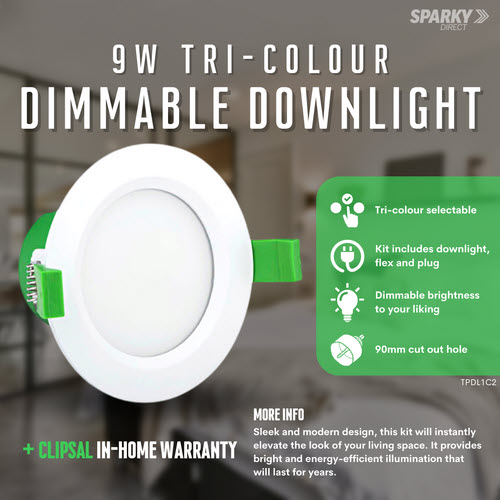
Learn all about the LED Downlights here at Sparky Direct [ Read More ]
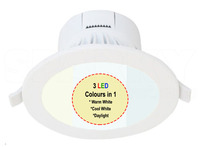
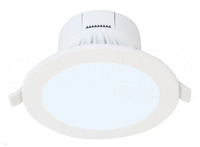
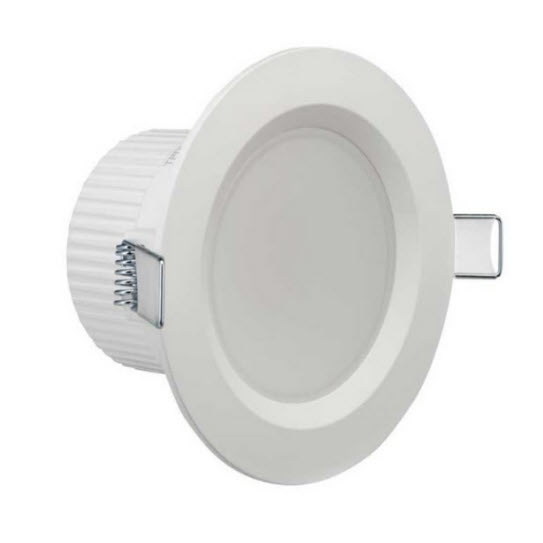
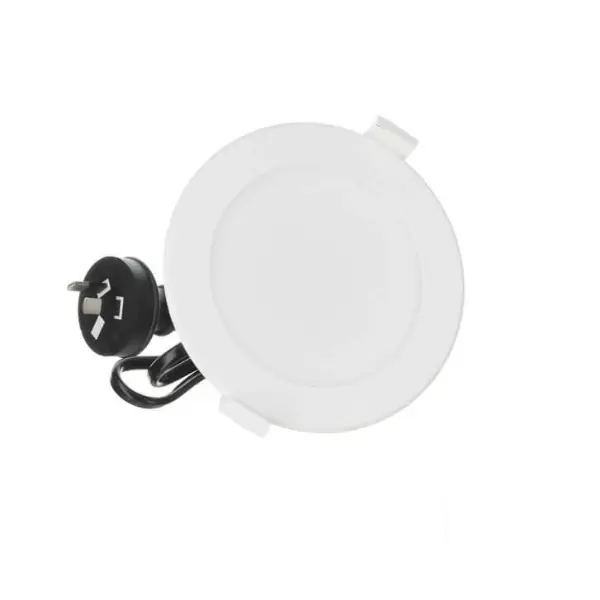
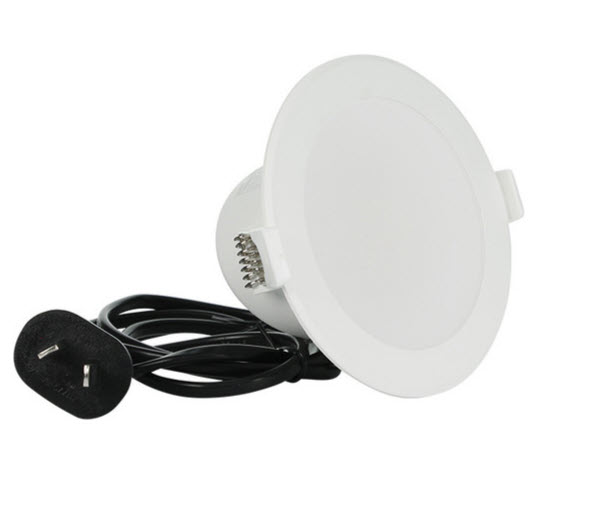

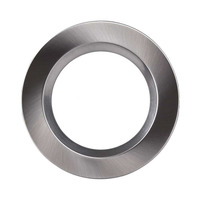
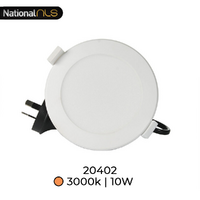
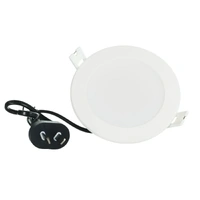
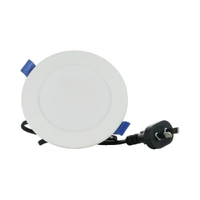
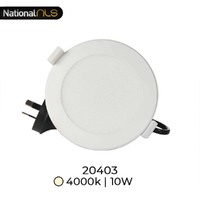
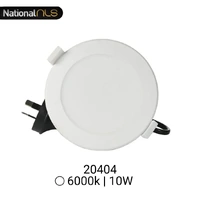
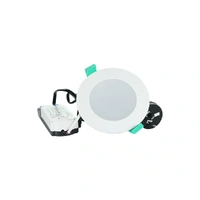
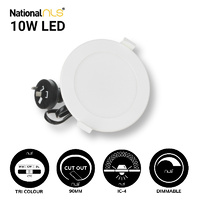
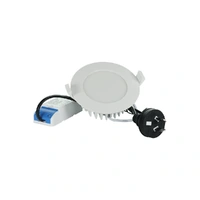


Learn more by watching our LED Downlights: The Best Way to Light Your Home video
What are LED Downlights?
LED downlights are energy-efficient recessed light fixtures using light-emitting diodes to provide bright, long-lasting illumination. They use 80% less energy than halogen, last up to 25,000 hours, and come in warm white, cool white, daylight, and tri-colour options. Available in dimmable models with various wattages and beam angles for Australian homes and businesses.
▼ Table of Contents
- What Are LED Downlights and How Do They Work?
- Why Choose LED Downlights Over Halogen?
- Types of LED Downlights Available
- Understanding Colour Temperature
- Key Specifications Explained
- How to Choose the Right Downlight
- Installation Requirements
- Where to Use LED Downlights
- Frequently Asked Questions about LED Downlights
What Are LED Downlights and How Do They Work?
LED downlights are recessed ceiling fixtures that use semiconductors to convert electricity directly into light. This solid-state technology produces bright illumination with minimal heat and energy waste.
LED stands for Light Emitting Diode. When electric current passes through the semiconductor material, it releases photons that create visible light. This process is far more efficient than traditional lighting methods that waste energy as heat.
Downlights are designed to be mounted in ceiling cavities with only the bezel visible from below. The recessed design creates a clean, modern look whilst directing light downward in a focused beam. Most models have a cut-out diameter between 70-90mm, fitting standard ceiling joists.
How LED Technology Works
The LED chip produces light when electrons move through the semiconductor material. This electroluminescence creates photons without burning filaments or heating gases. The driver circuit converts mains voltage to low DC voltage suitable for the LED, whilst heat sinks dissipate warmth to maintain optimal operating temperature.
Why Choose LED Downlights Over Halogen?
LED downlights use 80% less energy than halogen, last 12 times longer, run cooler, require less maintenance, and save hundreds of dollars annually on electricity bills.
Energy Efficiency
A 10W LED produces the same light as a 50W halogen. For a home with 20 downlights running 5 hours daily, switching saves approximately $300 per year on electricity. LEDs convert 95% of energy to light versus only 20% for halogen.
Long Lifespan
LED downlights last 25,000 hours compared to 2,000 hours for halogen. This means 12+ years of typical use without replacement. Fewer replacements mean lower maintenance costs and less ladder work, particularly valuable for high ceilings.
Cool Operation
LEDs operate at significantly lower temperatures than halogen. This reduces fire risk, allows safe installation in insulated ceilings, prevents heat damage to surroundings, and improves summer comfort by reducing ceiling heat.
Instant Brightness
LEDs reach full brightness immediately when switched on. No warm-up period means instant illumination when entering rooms. This also makes them compatible with motion sensors and smart home systems.
Dimmable Options
Most modern LED downlights are dimmable when paired with compatible dimmers. This allows mood adjustment, further energy savings, and extended lifespan. Smooth dimming from 100% down to 5-10% is typical.
Environmental Benefits
LEDs contain no mercury or hazardous materials. Lower energy consumption reduces carbon emissions. Longer lifespan means less waste. Many components are recyclable at end of life.
Cost Comparison: LED vs Halogen
| Factor | LED Downlight | Halogen Downlight |
|---|---|---|
| Typical Wattage | 10W | 50W |
| Lifespan | 25,000 hours | 2,000 hours |
| Energy Use (5hrs/day) | 18kWh/year | 91kWh/year |
| Annual Electricity Cost | $6/year | $30/year |
| Replacements Needed | 1 over 12+ years | 12+ over same period |
| Operating Temperature | 60-70°C | 300°C+ |
Types of LED Downlights Available
LED downlights come in fixed colour, tri-colour switchable, fixed beam, and adjustable gimbal styles. Each type suits different applications and installation requirements.
Tri-Colour LED Downlights
Most Versatile Option
Switch between warm white (3000K), cool white (4000K), and daylight (6000K) using the light switch. Perfect when you're unsure which colour temperature suits your space. Simply flick the switch rapidly to cycle colours.
Popular models: NLS 20111, Clipsal TPDL1C3, SAL S9065TCWH
Warm White LED Downlights
2700K-3000K
Creates cosy, relaxing atmosphere with yellowish glow similar to halogen. Best for living rooms, bedrooms, dining areas, and any space where comfort and warmth are priorities. Traditional choice for Australian homes.
Cool White LED Downlights
4000K
Neutral white light that balances warmth and clarity. Suitable for kitchens, bathrooms, laundries, home offices, and general-purpose lighting. Most popular choice for modern Australian interiors.
Daylight LED Downlights
5000K-6500K
Bright, crisp white light with bluish tone. Ideal for task lighting, workshops, garages, retail displays, and commercial applications. Mimics natural daylight for maximum visibility and colour accuracy.
Fixed Downlights
Standard Recessed
Light shines directly downward in fixed direction. Most common and economical option. Suitable for general room lighting where adjustability isn't required. Lower profile than gimbal models.
Available in all colour temperatures and wattages
Gimbal/Adjustable Downlights
Directional Lighting
Light can be angled up to 30-40° in any direction. Perfect for highlighting artwork, architectural features, or creating accent lighting. Suitable for sloped ceilings or specific task lighting needs.
Ideal for galleries, retail, or feature walls
Which Type Should You Choose?
For new installations where colour preference is uncertain, tri-colour downlights offer maximum flexibility. Install them and test all three colours before choosing your favourite. For replacements matching existing lighting, select the same colour temperature. For task areas needing precise lighting direction, choose gimbal models.
Understanding Colour Temperature (Kelvin)
Colour temperature is measured in Kelvin (K) and describes whether light appears warm yellow, neutral white, or cool blue. Lower numbers are warmer, higher numbers are cooler.
Colour temperature significantly affects room ambience and functionality. The same room can feel cosy or clinical depending solely on light colour. Understanding Kelvin ratings helps you create the right atmosphere for each space.
Colour Temperature Guide
| Kelvin Range | Description | Best For | Atmosphere |
|---|---|---|---|
| 2700K | Extra Warm White | Bedrooms, lounges | Very cosy, intimate |
| 3000K | Warm White | Living areas, dining rooms | Relaxed, welcoming |
| 4000K | Cool White/Neutral | Kitchens, bathrooms, offices | Clean, balanced |
| 5000K | Daylight | Workshops, garages | Bright, energising |
| 6000K+ | Cool Daylight | Commercial, retail | Very bright, clinical |
Warm White (3000K)
Best for: Bedrooms, living rooms, dining areas
Why: Creates relaxing atmosphere. Yellowish tone is familiar and comfortable. Reduces eye strain before bedtime. Makes spaces feel cosy and inviting.
Cool White (4000K)
Best for: Kitchens, bathrooms, home offices
Why: Neutral white suits task-focused areas. Enhances visibility without harsh glare. Modern, clean appearance. Most versatile option for Australian homes.
Daylight (5000K-6000K)
Best for: Garages, workshops, laundries
Why: Maximum visibility for detailed work. True colour representation. Mimics natural daylight. Energising effect improves focus and productivity.
Tri-Colour Switchable
Best for: Any room where you're unsure
Why: Test all three options after installation. Switch between colours as needs change. No need to reinstall if preferences evolve. Best value for new builds.
Professional Recommendation
For open-plan living areas, use the same colour temperature throughout to avoid visual jarring. For a 4x4m bedroom, we recommend tri-colour models like the NLS 20111 (10W), Clipsal TPDL1C2 (9W), or SAL S9065TCWH (8W).
Key Specifications Explained
Understanding lumens, watts, CRI, and beam angle helps you choose downlights that provide proper brightness, colour accuracy, and light coverage for each room.
Essential Specifications
How Many Lumens Do You Need?
| Room Type | Lumens per m² | Example (4x4m room) |
|---|---|---|
| Living Room | 100-150 lm/m² | 1,600-2,400 lumens total |
| Kitchen | 300-400 lm/m² | 4,800-6,400 lumens total |
| Bathroom | 200-300 lm/m² | 3,200-4,800 lumens total |
| Bedroom | 100-200 lm/m² | 1,600-3,200 lumens total |
| Office/Study | 300-500 lm/m² | 4,800-8,000 lumens total |
Understanding CRI (Colour Rendering Index)
CRI measures how accurately colours appear under artificial light compared to natural sunlight (CRI 100). A downlight with CRI 80 shows colours fairly accurately. CRI 90+ is excellent for areas where colour accuracy matters—kitchens (food preparation), bathrooms (makeup application), wardrobes (clothing selection), and art displays. Most quality LED downlights from brands like NLS, Clipsal, and SAL offer CRI 80-85, which is suitable for general residential use.
How to Choose the Right LED Downlight
Consider room size, ceiling height, purpose, and existing fittings. Calculate total lumens needed, select appropriate colour temperature, and choose dimmable options for flexibility.
Step 1: Calculate Room Lighting Needs
Measure room length and width in metres. Multiply to get area. Multiply area by required lumens per square metre (see table above). Divide total lumens by individual downlight output to determine quantity needed.
Example: 4m x 5m kitchen = 20m². Need 300lm/m² = 6,000 lumens total. Using 900lm downlights = 6,000 ÷ 900 = 7 downlights needed.
Step 2: Select Colour Temperature
Choose based on room function. Warm white (3000K) for living areas, cool white (4000K) for kitchens and bathrooms, daylight (5000K+) for workshops. When unsure, select tri-colour for maximum flexibility.
Tip: Maintain consistent colour temperature in open-plan areas to avoid visual conflict.
Step 3: Check Installation Requirements
Measure existing cut-out holes if replacing. Verify ceiling cavity depth (typically need 100mm+). Check for insulation—if present, ensure downlights are IC-F rated. Determine if bathroom zones require IP44 or IP65 rating.
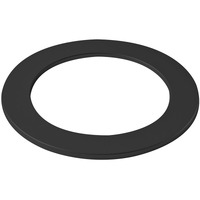
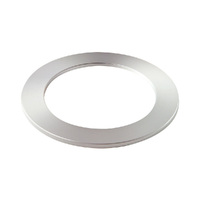
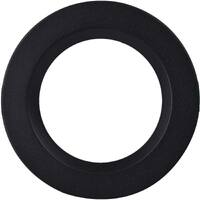
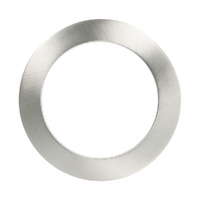
Important: Use adaptor plates if new downlights have smaller cut-out than existing holes.
Step 4: Consider Dimming Capability
Dimmable downlights offer flexibility to adjust brightness for different activities and times of day. Ensure dimmer switches are LED-compatible (trailing-edge type). Check manufacturer specifications for minimum dimming level.
Note: Most modern downlights dim smoothly from 100% to 5-10%.
Step 5: Choose Quality Brand
Select reputable brands with good warranty coverage. Look for Australian approval marks. Consider brands with proven track record: NLS (excellent value), Clipsal (premium quality), SAL (good all-rounder), Atom, XLED, Robus.
Warranty: Most quality downlights offer 2-5 year warranty. Check terms and conditions.
Spacing Guidelines
For general room lighting, space downlights evenly throughout the ceiling. Typical spacing: 1.2-1.5m apart for standard 2.4m ceilings. For higher ceilings, increase spacing slightly or use higher wattage downlights. Avoid placing downlights too close to walls—maintain 50-70cm clearance from walls to prevent harsh shadows and glare.
Installation Requirements
All permanent electrical work in Australia must be performed by licensed electricians complying with AS/NZS 3000:2018. Installation typically takes 15-30 minutes per downlight including wiring.
What Electricians Need to Know
Safety Requirements
Licensed Electrician Required: All mains voltage electrical work in Australia must be performed by licensed electricians in compliance with AS/NZS 3000:2018.
Safety Switch Protection: Circuits must be protected by RCD (safety switch) as per Australian Wiring Rules.
Testing: After installation, electricians must verify correct polarity, earth continuity, insulation resistance, and circuit operation before energising.
Where to Use LED Downlights
LED downlights suit any room requiring clean, modern lighting. From residential living areas to commercial spaces, their versatility, efficiency, and slim profile make them ideal for Australian homes and businesses.
Residential Applications
Living Rooms
Recommendation: Warm white (3000K) or tri-colour dimmable
Create relaxing atmosphere for family time. Use dimmers to adjust brightness for movie nights. Space 1.2-1.5m apart. 100-150 lumens per m² sufficient for ambient lighting.
Kitchens
Recommendation: Cool white (4000K), 300-400 lm/m²
Bright, clear lighting for food preparation and cooking. Consider extra downlights over benchtops and islands. High CRI (80+) important for food colour accuracy.
Bathrooms
Recommendation: Cool white (4000K), IP44+ rated
Use IP44 rated downlights in zones 2-3. IP65 for shower areas. Cool white provides clarity for grooming tasks. 200-300 lumens per m² recommended.
Bedrooms
Recommendation: Warm white (3000K) dimmable
Soft, relaxing light promotes better sleep. Dimming capability allows adjustment from bright (dressing) to low (pre-sleep). 100-200 lumens per m² sufficient.
Home Offices
Recommendation: Cool white (4000K), 300-500 lm/m²
Bright, focused lighting reduces eye strain during computer work. Cool white promotes alertness and concentration. Consider additional task lighting for desks.
Hallways & Entries
Recommendation: Cool white (4000K), motion sensors
Install motion sensors for automatic activation. Two-way switches for long hallways. Space closer together in narrow passages to prevent dark spots.
Garages & Workshops
Recommendation: Daylight (5000K+), high output
Maximum brightness for detailed work. True colour rendering for accurate material identification. Consider 13W models for larger workshops.
Outdoor Alfresco
Recommendation: IP65 rated, warm or cool white
Weather-resistant IP65 downlights for outdoor entertaining areas. Warm white creates inviting atmosphere. Ensure suitable for intended climate conditions.
Commercial Applications
Retail Stores
High CRI (90+) downlights show merchandise in true colours. Adjustable gimbal models highlight featured products. Cool white maintains energy and encourages browsing.
Offices
Uniform lighting reduces screen glare and eye strain. Cool white (4000K) promotes productivity. Dimmable systems integrate with daylight harvesting for energy efficiency.
Hospitality
Warm white creates welcoming atmosphere in restaurants and hotels. Dimmable downlights adjust ambience from energetic (breakfast) to intimate (dinner service).
Healthcare
High CRI and cool white light essential for medical facilities. Flicker-free operation prevents discomfort during examinations. Easy cleaning and maintenance reduces infection risk.
Popular LED Downlight Models
Best-Selling Tri-Colour Downlights
NLS 20111 (10W)
Specs: 900lm, tri-colour, dimmable, 90mm cut-out
Why Choose: Exceptional value. Tens of thousands sold. Reliable performance. Perfect for whole-home installations. View Details →
Clipsal TPDL1C3 (7W)
Specs: 700lm, tri-colour, dimmable, 90mm cut-out
Why Choose: Premium Clipsal quality. In-house warranty. Thousands sold. Trusted brand for quality-conscious buyers. View Details →
SAL S9065TCWH (8W)
Specs: 800lm, tri-colour, dimmable, 92mm cut-out
Why Choose: Good all-rounder. Reliable SAL brand. Competitive pricing. Suitable for most residential applications. View Details →
NLS 20090TRI (13W)
Specs: 1170lm, tri-colour, dimmable, 90mm cut-out
Why Choose: Higher output for larger rooms or higher ceilings. Bright illumination with excellent efficiency. View Details →
Unsure Which Model to Choose? Our expert team can recommend the perfect downlights for your project based on room size, ceiling height, and lighting requirements. Contact us for personalised advice.
Get Expert Advice →Essential Downlight Accessories
Shop LED Downlights at Sparky Direct
Australia's trusted supplier • Expert advice • Fast nationwide delivery • Competitive trade pricing
Browse All Downlights → View Tri-Colour Range →Downlights Frequently Asked Questions
Why are LED downlights popular in homes?
They offer a clean appearance, efficient lighting, and long service life.
Downlights near me
Sparky Direct supplies LED downlights Australia-wide, offering reliable lighting solutions with convenient delivery.
How are LED downlights delivered?
LED downlights are securely packaged and delivered via standard courier services.
Can unused LED downlights be returned?
Unused products are generally eligible for return according to the seller’s returns policy.
What warranty applies to LED downlights?
Warranty coverage varies by manufacturer and typically covers defects in materials or workmanship.
Are LED downlights sold individually or in packs?
LED downlights are available individually and in multi-pack options.
Should lighting upgrades be planned carefully?
Yes, layout and product selection help achieve the best lighting results.
Can LED downlights be directional?
Some models allow adjustable or tilting heads for directional lighting.
Do LED downlights flicker?
Quality products provide stable light output when installed with compatible components.
Are LED downlights safe to use in ceilings?
When installed correctly with adequate clearance, they are safe for ceiling installation.
Can LED downlights reduce power bills?
Their lower energy consumption can help reduce lighting-related energy costs.
Are downlights suitable for kitchens and bathrooms?
Yes, suitable models are available for use in kitchens and wet areas.
Do LED downlights need frequent replacement?
No, LED downlights are designed for long operating life compared to older technologies.
Are downlights bright enough to light a room?
When correctly spaced and selected, they provide effective general lighting.
Do LED downlights suit modern interiors?
Yes, their low-profile design suits modern and minimalist interiors.
What are the different types of LED downlights?
There are two main types of LED downlights: recessed and surface mounted. Recessed downlights are installed into the ceiling, while surface-mounted downlights are mounted on the surface of the ceiling.
Are LED downlights dimmable?
Some LED downlights are dimmable when paired with compatible dimmers.
Are downlights available in different beam angles?
Yes, beam angles vary to suit general lighting or focused illumination.
Do LED downlights produce much heat?
They produce less heat than older lighting technologies, improving safety and efficiency.
Are LED downlights energy efficient?
Yes, LED downlights use significantly less energy than traditional halogen alternatives.
What colour temperatures are available for LED downlights?
Common options include warm white, neutral white, and cool white.
Can downlights be used in commercial spaces?
Yes, downlights are widely used in offices, retail spaces, and hospitality environments.
Are LED downlights suitable for residential use?
Yes, they are commonly used in homes for general, task, and accent lighting.
Do LED downlights comply with Australian standards?
Quality LED downlights are manufactured to meet relevant AS/NZS electrical and safety standards when installed correctly.
What are LED downlights?
LED downlights use light emitting diode technology to deliver efficient, long-lasting illumination.
What are downlights?
Downlights are recessed light fittings installed into ceilings to provide focused or ambient lighting.
How do I install LED downlights?
Installing LED downlights can be a DIY project if the downlight has a 3-pin plug and a surface socket is already installed. If there is no surface socket installed, you must hire a professional electrician to do it for you.