

Buy Drill Bits Online for All Materials & Applications
Find the best drill bits here at Sparky Direct. [ Read More ]

What Are Drill Bits and How Do You Choose the Right One?
Table of Contents
- Drill Bit Fundamentals
- Drill Bit Types by Application
- Materials and Coatings Explained
- Matching Bits to Materials and Tasks
- Choosing Sets or Individual Bits
- Performance Factors and Quality
- Cost, Value, and Bulk Buying
- Drilling Technique and Best Practices
- Troubleshooting Common Problems
- Maintenance, Sharpening, and Lifespan
- Specialised Trade Applications
- Safety and Best Practice
- Product Videos
- What Sparky Direct Customers Say
- Quick Summary (TL;DR)
- Frequently Asked Questions about Drill Bits
Drill Bit Fundamentals
What Drill Bits Are and How They Work
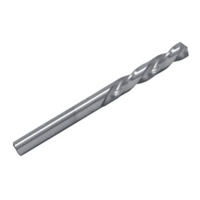
A drill bit is a cutting tool that rotates under pressure to remove material and create a hole. The cutting edges at the tip shear material away, while the flutes (spiral grooves along the shank) carry debris out of the hole. Bit geometry, tip angle, flute pitch, and material all influence how quickly and cleanly a bit cuts through a given substrate.
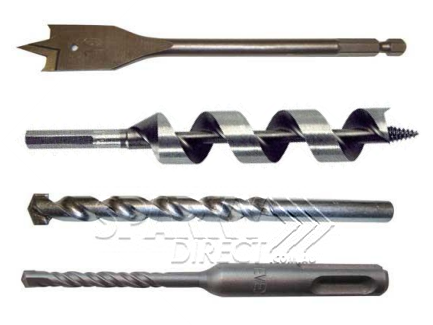
The shank is the section held by the drill chuck. Smooth round shanks suit standard keyless chucks. Hex shanks lock into quick-release chuck systems. SDS-Plus and SDS-Max shanks are used in rotary hammer drills, allowing the bit to reciprocate as well as rotate for faster penetration into masonry and concrete.
Core Performance Factors
Three factors determine drilling performance: geometry, material, and coating. Geometry controls how the bit engages the workpiece. A brad point bit centres precisely in timber. A split-point tip on a metal bit starts without walking. A carbide tip on a masonry bit withstands the abrasive impact of concrete aggregates.
Material and coating affect hardness, heat resistance, and edge retention. High-speed steel (HSS) handles general applications. Cobalt alloy resists heat in stainless steel drilling. Titanium nitride and black oxide coatings reduce friction and extend service life.
Why Selecting the Right Bit Matters
Using the wrong bit wastes time, damages materials, and shortens tool life. A wood bit forced through masonry will blunt in seconds. A general-purpose HSS bit applied to hardened steel will overheat and lose its edge. Matching bit type and material to the job protects both the bit and the workpiece, and produces cleaner, more accurate holes.
Drill Bit Types by Application
Twist Drill Bits for General Use
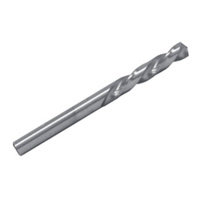
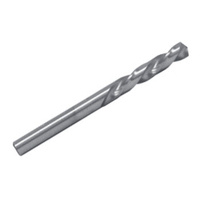
Twist bits are the most common type. They handle a range of materials at a basic level and are available in HSS, cobalt, and titanium-coated variants. General-purpose twist bits suit light metalwork, timber, and plastics. They are less effective in hard stone or heavy steel without an appropriate material specification.
Masonry and Concrete Drill Bits
Masonry drill bits feature a carbide tip brazed onto a steel shank. The carbide withstands the abrasive impact of concrete, brick, and block. These bits are used with hammer drills or rotary hammers. SDS-Plus masonry bits are the standard format for professional trade use, allowing rapid bit changes and improved energy transfer from the drill to the bit. Alpha SDS-Plus masonry bits are available through Alpha at Sparky Direct.
Wood Drill Bits: Brad Point, Spade, Auger, Forstner
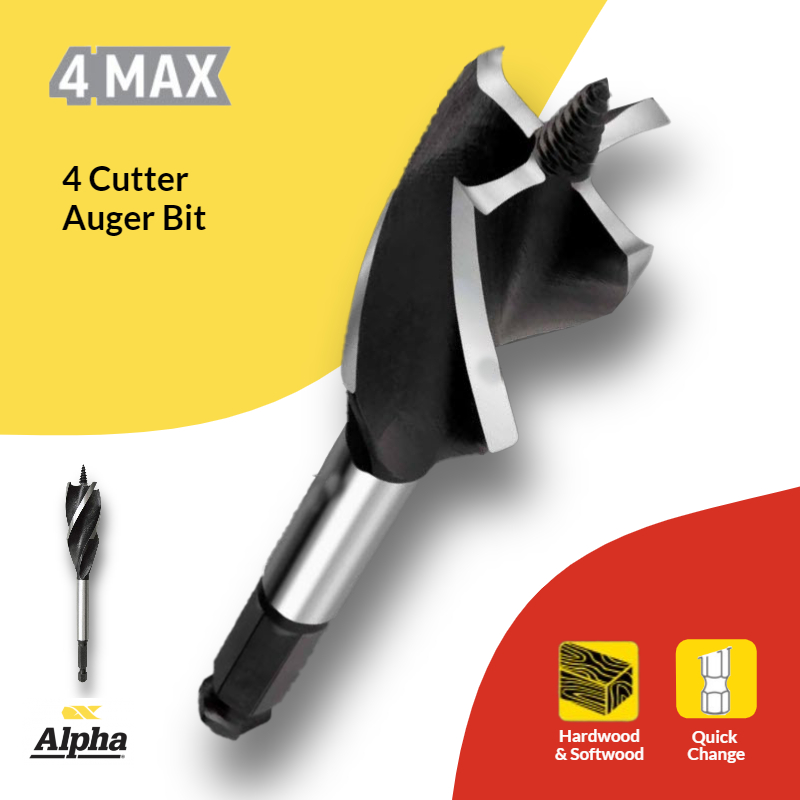
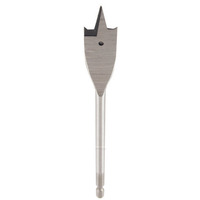
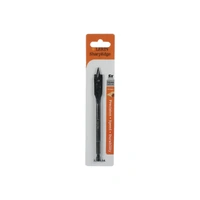
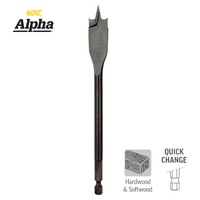
Spade bits cut large-diameter holes quickly in timber framing and are the standard choice for electricians running cable through wall plates and studs. Brad point bits produce clean, precise entry holes in timber with minimal tear-out, suited to joinery and cabinetry. Auger bits use a spiral screw tip to pull themselves into timber, useful for deep holes in structural members. Forstner bits cut clean, flat-bottomed holes and are used in detailed woodwork.
Metal Drill Bits: HSS, Cobalt, Step Bits
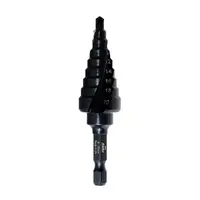
High-speed drill bits in HSS are the baseline for metalwork. Cobalt bits (typically M35 or M42 grade) handle harder steels and stainless, tolerating higher temperatures without losing their edge. Step drill bits cut multiple diameters in a single pass and are used extensively for enlarging knockout holes in metal enclosures, switchboards, and conduit entry plates. Bristol Tool Works step drill sets are a popular choice for trade use.
Tile, Glass, and Diamond Drill Bits
Tile and glass require specialist bits with carbide or diamond-tipped cutting edges. Standard twist bits and masonry bits will crack or chip brittle surfaces. Diamond-core bits cut tile cleanly when used with water cooling. Spear-point carbide bits handle ceramic tiles in bathrooms and kitchens where fixings or cable penetrations are required.
Specialised Bits for Electrical and Trade Use
Electricians rely on spade bits and auger bits for running cables through timber framing, and on SDS-Plus masonry bits for penetrating concrete and block walls. Earth rod driver sockets allow SDS drills to drive copper-bonded earth rods. LERIN produces SDS+ earth rod driver sockets that are stocked at Sparky Direct. Driver bits are also used daily on site for fastening screws into framing, switchboard backs, and enclosures.
Drill Bit Materials and Coatings Explained
High-Speed Steel (HSS) for General Applications
HSS is the standard material for general-purpose drilling in timber, soft metals, and plastics. It machines well and sharpens readily, making it cost-effective for everyday use. HSS bits should not be used in hardened steels, stainless, or cast iron without additional alloying or coating.
Cobalt Drill Bits for Stainless Steel
Cobalt alloy bits contain 5 to 8 percent cobalt, which increases hardness and heat resistance at elevated temperatures. This makes them the preferred choice for stainless steel, nickel alloys, and other high-tensile materials that generate heat during drilling. Cobalt bits are solid alloy throughout, so they can be sharpened and retain their properties after grinding.
Carbide Drill Bits for Heavy-Duty Work
Tungsten carbide is significantly harder than steel and is used as a tip material in masonry bits and as the full body of premium solid carbide bits. Carbide-tipped bits withstand the abrasion of concrete, brick, stone, and fibre cement. Full solid carbide bits are used in CNC machining and precision drilling applications where dimensional accuracy is critical.
Titanium, Black Oxide, and Advanced Coatings
Titanium nitride (TiN) coating deposits a thin layer of hard material onto an HSS bit. This reduces friction at the cutting face, lowers operating temperature, and extends edge life. Black oxide coating provides moderate corrosion resistance and reduces friction during entry. Neither coating restores an already-worn bit, but both extend service life when applied to sharp, correctly-used bits.
Choosing the Right Material for Each Job
| Material to Drill | Recommended Bit Material | Notes |
|---|---|---|
| Timber | HSS, brad point, spade, auger | Match bit type to hole size and precision required |
| Mild steel | HSS or titanium-coated HSS | Use cutting fluid; maintain low to moderate speed |
| Stainless steel | Cobalt (M35 or M42) | Slow speed, firm pressure, cutting fluid essential |
| Concrete / brick / block | Carbide-tipped masonry, SDS-Plus | Use with hammer drill or rotary hammer |
| Ceramic tile | Carbide spear-point or diamond core | No hammer mode; water cooling for diamond bits |
| Aluminium | HSS with wide flute | High speed, cutting fluid, clear swarf frequently |
| Plastics | HSS, reduced tip angle | Slow speed prevents melting and cracking |
Matching Drill Bits to Materials and Tasks
Wood and Timber Applications
For cable installation in timber framing, spade bits in 20 mm to 32 mm diameters are standard. They cut quickly and tolerate the speed needed for production work. For neat pilot holes and fixings, HSS twist bits are adequate. For deep holes through multiple framing members, auger bits with a self-feed tip reduce effort and drill straighter.
Metal and Aluminium Drilling
Mild steel responds well to HSS twist bits used at moderate speed with cutting fluid. Aluminium requires a fast speed and wide-fluted bit to prevent clogging. Stainless steel demands cobalt bits, slow speed, firm constant pressure, and lubrication. Step drill bits handle knockout enlargement in steel enclosures without centre-punching multiple sizes.
Masonry and Concrete Drilling
Carbide-tipped SDS-Plus bits are the trade standard for fixing into concrete and block. For large-diameter penetrations, core drill bits mounted on a core drill rig produce clean holes for conduit entry. Standard carbide masonry bits in a hammer drill suit fixing-size holes and cable penetrations. Avoid the hammer setting when drilling near edges or into hollow masonry that could crack.
Tile, Glass, and Fragile Materials
Carbide spear-point bits work in standard ceramic tiles when used without hammer mode. Diamond core bits are required for porcelain, natural stone, and thick ceramic, and must be used with water cooling to prevent overheating. Keep the drill speed low and maintain steady pressure to prevent the bit skating on the surface before engagement.
Electrical Installations and Conduit Work
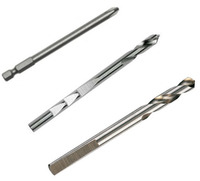
Electricians use spade bits and flat wood bits for running cables through stud walls, floor joists, and roof spaces. Masonry bits create penetrations through external walls and slabs for conduit entry. Hole saws (available from Sparky Direct in hole saw kits and as arbor-mounted blades) cut larger-diameter holes for conduit, cable glands, and flush-mounted accessories. Step bits handle switchboard knockouts and cable gland sizing in metal enclosures.
Choosing the Right Drill Bit Set or Individual Bits
Selecting Sets with Multiple Sizes
Sets offer economy for tradespeople who need coverage across a size range. A metric HSS set covering 1 mm to 13 mm handles the majority of general drilling tasks on site. The Bristol Tool Works 13-piece metric drill set is a compact, practical choice. For frequent step drilling, Bristol's three-piece step drill set covering 4 to 30 mm handles most knockout and enclosure work.
Buying individual bits makes sense when a specific size sees heavy use and needs frequent replacement. It also suits cases where a specialist bit type (such as a cobalt bit for stainless) is needed without the cost of a full set.
Choosing Bits for Trade vs DIY Use
Trade-grade bits are manufactured to tighter tolerances, use higher-quality tool steel, and maintain their edge for more cycles. For a licensed electrician or contractor running dozens of holes daily, the cost difference is justified by reduced downtime and consistent hole quality. DIY-grade bits are adequate for occasional use but blunt faster under sustained workloads.
Compatibility with Drill Types
Round-shank bits suit standard drill chucks. Hex-shank bits lock into impact driver chucks and quick-release systems, making them popular for driver bits and smaller-diameter drilling. SDS-Plus bits require an SDS-Plus rotary hammer. Do not attempt to use SDS bits in a standard chuck as the locking groove will not engage correctly. Confirm shank format against your drill before purchasing.
Precision vs Speed Applications
When accuracy matters (pilot holes, precision metalwork, cabinetry), use a brad point or split-point bit, a lower speed, and a centre punch or pilot dimple to guide entry. When speed is the priority (production cable runs through framing), spade bits, self-feed auger bits, and high-flute-rate twist bits minimise time on each hole.
Performance Factors and Quality Indicators
Durability and Edge Retention
Edge retention depends on the base material and heat treatment of the bit. Quality HSS bits hold an edge through hundreds of holes in mild steel or timber. Cobalt bits maintain their edge in high-temperature applications where standard HSS would anneal and soften. A bit that dulls rapidly after minimal use indicates low-quality tool steel or overheating during manufacture.
Heat Resistance and Wear Performance
Excessive heat is the primary cause of premature bit failure. Heat softens the cutting edges, causing them to deform and round off. Cobalt alloy and carbide resist heat better than plain HSS. Coatings reduce friction, which reduces heat generation at the cutting face. Correct technique (appropriate speed, cutting fluid where required, clearing chips regularly) extends bit life regardless of bit specification.
Accuracy, Clean Cuts, and Hole Finish
Hole quality is determined by bit geometry, rigidity, and speed selection. A sharp brad point bit in timber leaves a clean entry hole with minimal tear-out. A split-point metal bit starts on-centre without walking on smooth steel. Worn bits produce oversized, rough holes as the cutting edges drag rather than shear.
Identifying High-Quality Drill Bits
Quality indicators include the bit material designation (M35 cobalt, M2 HSS, tungsten carbide tip), ground or precision-formed flutes (rather than rolled), consistent shank diameter, and clear size markings. Reputable trade brands such as Alpha, Bristol Tool Works, and Klein Tools produce bits to defined specifications that are verifiable against their data sheets.
Cost, Value, and Bulk Buying Strategies
Entry-Level vs Premium Drill Bits
Entry-level bits suit low-frequency applications where bit life is less critical. Premium trade bits carry a higher unit price but perform more cycles before dulling, reducing cost-per-hole on jobs with high drilling volumes. For common electrician tasks (cable routes through timber, conduit fixings into masonry), investing in quality spade bits, masonry bits, and a solid step drill set pays back quickly in reduced bit consumption.
Bulk Buying for Contractors and Trade
Sparky Direct supports bulk and repeat ordering across its drill bit range. Ordering replacement packs (such as the Alpha 5-piece 1.5 to 3.5 mm drill refill pack) keeps small-diameter bits in stock without buying a full replacement set. Screws bucket packs including driver bits are also available in bulk for contractors who need consistent supply of fastening consumables.
Planning Large Orders and Ongoing Supply
For trade accounts and ongoing projects, Sparky Direct offers competitive trade pricing with Australia-wide delivery. Ordering drill bits alongside related consumables (screws, hole saw blades, and hand tools) reduces freight overhead. Sparky Direct dispatches from stock, with most orders fulfilled from the warehouse without extended lead times.
Drilling Technique and Best Practices
Correct Speed and Pressure Settings
Drilling speed should be inversely proportional to bit diameter and material hardness. Larger bits and harder materials require slower speeds. Small-diameter bits in mild steel or aluminium benefit from higher RPM. In masonry, the drill speed matters less than the hammer action and the firmness of the applied pressure. Excessive speed in metal generates heat; insufficient pressure causes the bit to rub rather than cut.
Preventing Bit Slipping and Wandering
On smooth metal surfaces, use a centre punch to create a starting dimple before applying the drill. A split-point bit geometry also reduces walking. On timber, a bradawl or pilot hole guides the bit. On tiles, use masking tape to create friction at the starting point and begin at a slow speed without hammer mode until the bit is engaged in the material.
Cooling, Lubrication, and Heat Control
Cutting fluid or oil is recommended when drilling steel and non-ferrous metals. It reduces friction at the cutting face, carries heat away from the bit, and produces a cleaner hole. Water is used as a coolant for diamond core bits in tile and stone. Masonry drilling does not require lubrication. In timber, no cooling is needed for standard drilling speeds.
Achieving Clean and Accurate Holes
Back the workpiece with scrap timber when drilling through-holes to prevent tear-out on the exit side. Reduce pressure on breakthrough to allow the bit to exit cleanly. For hole saws in metal, apply light cutting oil and maintain consistent speed. When drilling into a wall cavity, confirm the hole position is clear of cables and pipes before starting, in accordance with safe work practices on the job site.
Safe drilling around services: Before drilling into any wall, floor, or ceiling on an existing building, check for concealed electrical cables, pipes, and structural members using a detection tool. AS/NZS 3000:2018 requires that wiring be protected from damage, and drilling into existing cables creates a safety hazard and a defect liability.
Troubleshooting Common Drill Bit Problems
Why Drill Bits Dull Quickly
Rapid dulling is caused by overheating, drilling an incompatible material, or using a bit that is underspecified for the job. An HSS bit used on hardened steel or stainless will lose its edge within seconds. Cobalt or carbide is required for these applications. Running at excessive speed in metal without cutting fluid is another common cause of premature blunting.
Causes of Overheating
Overheating occurs when cutting speed is too high or when pressure is insufficient (causing rubbing rather than cutting). Clogged flutes and lack of cutting fluid in metalwork are also common causes. In masonry, overheating results from drilling without the hammer mode engaged, causing the carbide tip to abrade rather than fracture material cleanly.
Why Bits Break in Masonry or Metal
Breakage in masonry occurs when the bit catches on aggregate or rebar, or when lateral force is applied. Never lever a stuck masonry bit sideways in a hammer drill. Breakage in metal results from aggressive feed rates, drilling at angles, or using an undersize pilot hole for large-diameter bits. Step bits and hole saws require slow, steady pressure without wobble.
Fixing Rough Edges and Poor Hole Quality
Rough hole edges in timber are caused by a dull or wrong bit type. A sharp spade bit or auger bit produces clean results. Exit tear-out is reduced by backing the workpiece. In metal, rough edges result from a worn bit or excessive speed. Replace worn bits rather than continuing to force them; the resulting heat compounds damage to both the bit and the workpiece.
Why Bits Get Stuck or Won't Penetrate
Bits can bind in deep holes when chips are not cleared. Withdraw the bit periodically to clear the flutes, particularly in deep metal holes. In masonry, hitting rebar or dense aggregate stops penetration. Use a rebar-rated bit or switch to a core drill for large masonry penetrations near structural steel. In timber, a dull bit will stop penetrating and start burning rather than cutting.
Maintenance, Sharpening, and Lifespan
Cleaning and Storage Best Practices
After use, remove swarf and debris from the flutes. Wipe metal bits with a lightly oiled cloth to prevent surface rust, particularly in humid or coastal environments. Store bits in a drill index or case to protect the cutting edges from contact with other tools. Loose bits rolling in a drawer become nicked and dull quickly.
When to Sharpen vs Replace
HSS twist bits and cobalt bits can be resharpened by grinding on a bench grinder or with a dedicated bit sharpener. Maintain the correct included point angle (typically 118 degrees for standard HSS, 135 degrees for split-point). Spade bits and auger bits can be filed sharp. Carbide-tipped masonry bits are harder to sharpen and are typically replaced rather than re-ground, as the bond between tip and shank may be weakened by improper grinding.
Extending Drill Bit Lifespan
Use the correct bit for the material. Apply cutting fluid in metalwork. Avoid overheating by managing speed and applying firm, steady pressure. Withdraw and clear chips frequently in deep holes. Replace bits before they are completely worn, as forcing a dull bit generates heat that permanently damages the surrounding bit material. Keep bits in a protective case or drill roll to protect their cutting geometry.
Specialised Trade Applications
Drill Bits for Electricians and Conduit Work
Electricians on site use spade bits (typically 20 mm to 32 mm) for cable penetrations through timber framing, and SDS-Plus masonry bits for fixing into concrete slabs and block walls. Step drill bits are the standard tool for enlarging knockouts in metal switchboards, enclosures, and cable trays to accept conduit fittings and cable glands. Driver bits are used daily with impact drivers for self-drilling screws and fixing switchboard components.
Industrial and High-Tensile Applications
Industrial drilling in high-tensile steel, cast iron, and hardened alloys requires cobalt bits, solid carbide bits, or specialist parabolic-flute designs. Running at reduced speeds with constant cutting fluid pressure is essential. On heavy fabrication sites, step drills are used in larger capacities to produce clean holes in structural steel for cable ladder fixings and equipment mounts.
Precision Drilling and Fine Work
Cabinet makers, instrument panel fabricators, and precision metalworkers use brad point bits, solid carbide micro-bits, and centre drills to achieve tight tolerances. Pilot holes in steel should be drilled before enlarging to final size with a step or twist bit. This reduces the material the larger bit must remove in a single pass, improving hole roundness and reducing heat.
DIY and Home Improvement Use Cases
Homeowners and DIY users benefit most from a versatile HSS set, a small masonry set, and a spade bit or two for common tasks. For tiling work, a single carbide spear-point bit or diamond bit handles bathroom and kitchen fixing tasks. Combination sets offering HSS, masonry, and wood bits cover the broad range of domestic applications without the cost of specialist trade sets.
Safety and Best Practice on Australian Job Sites
Safe Drilling Practices
Wear safety glasses when drilling any material. Metal swarf and masonry fragments can cause serious eye injuries. Wear hearing protection when using rotary hammer drills for extended periods. Secure the workpiece before drilling; do not hold it by hand. Use a drill press or guide for precision work where control of the drill angle is critical.
Avoiding Electrical and Structural Hazards
Before drilling into existing structure, use a cable and pipe detector to identify concealed services. AS/NZS 3000:2018 specifies that cables must be protected from mechanical damage, including drilling. Drilling into a live cable creates an electrocution risk and a compliance defect. On commercial sites, obtain a drilling permit or services search where required by site rules.
Tool Compatibility and Safe Operation
Match the bit shank to the drill chuck. Never force an SDS bit into a keyed or keyless chuck. Never use a masonry bit in a standard drill without hammer mode when drilling hard concrete, as the torque load on the bit can cause breakage. Check that hole saw arbors and pilot bits are correctly locked before starting. Damaged or bent bits should be discarded rather than used, as they can break under load and become projectiles.
Relevant Australian Standards
Work involving drilling near electrical installations should be carried out in accordance with AS/NZS 3000:2018 (Wiring Rules) and applicable safe work procedures. Consult your state or territory licensing authority for requirements specific to licensed electrical work.
Product Videos
Watch Alpha SM5 | 5 Piece | Metric Alpha Gold Series Drill Refill Pack - 1.5- 3.5mm video
Watch Bristol BTW13M | 13 Piece Metric Drill Set video
Watch Bristol Straight Flute 3 Piece Step Drill Set - 4-12, 4-20, 6-30mm | BTWSD-SET3 video
What Sparky Direct Customers Say

These are fantastic for installing a ceiling fan timber in a roof space. With your drill on the low speed you can drill through the truss and into your noggin with confidence
Bought it so I don't have to keep looking for stray screwdrivers that are all over the place when I need them.
Handy set of step drills covers the range of 4mm to 30mm in three maximum dimensions (12mm, 20mm and 30mm).
- Match the bit type to the material: spade and auger bits for timber, carbide-tipped SDS-Plus for masonry, cobalt for stainless steel, step bits for metal knockouts.
- HSS covers general applications; cobalt handles high-heat metalwork; carbide tip is essential for concrete, brick, and block.
- Step drill bits are the standard trade tool for enlarging knockout holes in switchboards, enclosures, and cable trays.
- Coatings (titanium nitride, black oxide) extend bit life by reducing friction, but they do not compensate for incorrect material selection or poor technique.
- Use cutting fluid in metalwork, avoid overheating, clear chips frequently, and withdraw the bit periodically in deep holes.
- Before drilling into existing structure, check for concealed cables and services to comply with AS/NZS 3000:2018 and site safety requirements.
- Sparky Direct stocks drill bits from Alpha, Bristol Tool Works, and Klein Tools, with fast delivery available across Australia.
Shop Drill Bits at Sparky Direct
Quality products in stock • Fast Australia-wide delivery • Competitive trade pricing
Browse Drill Bits → Get Expert Advice →Drill Bits Frequently Asked Questions
Do drill bits wear out over time?
Yes, drill bits gradually wear with use, especially when drilling hard materials or used incorrectly.
Drill Bits near me
Sparky Direct supplies drill bits Australia-wide, offering a wide range of quality options with reliable delivery.
How are drill bits delivered?
Drill bits are lightweight and packaged securely for standard courier delivery.
Can unused drill bits be returned?
Unused drill bits are generally eligible for return in line with the seller’s returns policy.
What warranty applies to drill bits?
Warranty coverage varies by manufacturer and typically covers manufacturing defects.
Are drill bits sold individually or in sets?
Drill bits are available both individually and in sets, depending on the product range.
Do drill bits require maintenance?
Apart from keeping them clean and dry, drill bits generally require minimal maintenance.
Can drill bits break during use?
Drill bits can break if excessive force is applied or if they are used on unsuitable materials.
How should drill bits be stored?
Drill bits should be stored in a dry place, ideally in a case, to prevent damage and corrosion.
Are drill bits suitable for DIY use?
Drill bits are suitable for DIY tasks, but correct selection and safe tool use are important.
Can drill bits overheat?
Yes, excessive speed or pressure can cause drill bits to overheat and lose effectiveness.
Are drill bit sets better than single drill bits?
Drill bit sets provide a range of sizes and are convenient for varied tasks, while single bits suit specific needs.
How can I make drill bits last longer?
Using the correct speed, pressure, and bit type helps extend the life of drill bits.
What are drill bits used for?
Drill bits are used to create holes in materials such as timber, metal, masonry, plastic, and tile for fixing, mounting, or installation purposes.
What happens if I use the wrong drill bit?
Using the wrong drill bit can result in poor hole quality, damage to the bit, or damage to the material.
How do I choose the right drill bit?
Choosing the right drill bit depends on the material being drilled and the size of the hole required.
Are drill bits suitable for electrical installations?
Drill bits are commonly used during electrical installations, but electrical work must be carried out by a licensed electrician.
Can drill bits be sharpened?
Some drill bits, particularly metal drill bits, can be resharpened if they are not excessively worn or damaged.
Are drill bits compatible with all drills?
Most drill bits are compatible with standard drills, but shank type and size should be checked for compatibility.
What sizes do drill bits come in?
Drill bits are available in a wide range of diameters and lengths to suit different hole sizes and depths.
Are masonry drill bits suitable for concrete?
Yes, masonry drill bits are designed for concrete, brick, and block when used with the correct drilling method.
What is the difference between HSS and cobalt drill bits?
HSS drill bits are suitable for general drilling, while cobalt drill bits are designed for harder metals and higher heat resistance.
Do drill bits comply with Australian standards?
Many drill bits are manufactured to meet relevant AS/NZS standards, but compliance depends on the specific product and use case.
Are there different drill bits for different materials?
Yes, drill bits are designed specifically for materials like wood, metal, concrete, masonry, glass, and tiles to ensure clean and accurate drilling.
What materials are drill bits made from?
Drill bits are commonly made from high-speed steel, cobalt steel, carbide, or tipped materials depending on the intended application.