

Conduit Saddle | Electrical Conduit Saddles
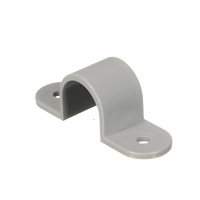

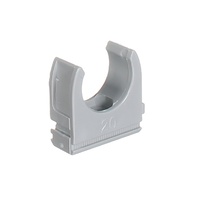
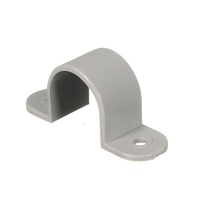
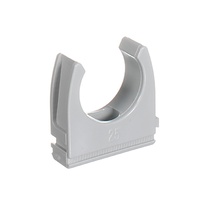
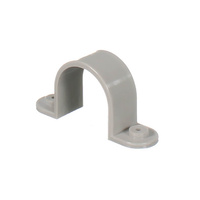
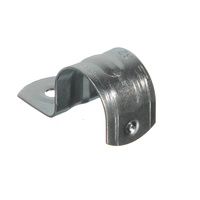
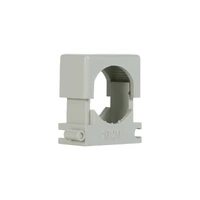
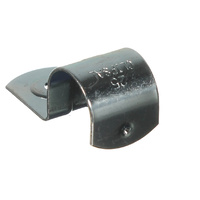
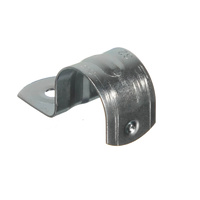
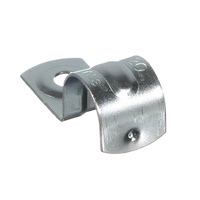
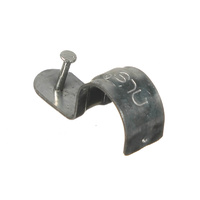
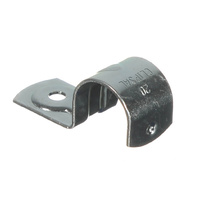
Conduit Saddles – Half, Full & PVC Electrical Conduit Saddles
Conduit saddles are a fundamental component in any Australian electrical installation. Used to secure conduit to walls, ceilings and structural surfaces, they prevent sagging, movement, and mechanical stress on cables inside. Sparky Direct stocks a comprehensive range of half saddles, full saddles, and PVC conduit clips in sizes from 16mm to 63mm – stocked at trade prices with fast nationwide delivery.
Table of Contents
- What Are Conduit Saddles Used For?
- Types of Conduit Saddles in Australia
- Materials & Finish Options
- Sizes and Compatibility
- Installation Best Practices
- Recommended Saddle Spacing
- Troubleshooting Common Problems
- Choosing for Different Environments
- Australian Standards & Compliance
- Colour and Finish Options
- Comparing Saddle Types by Application
- Buying Guidance & Quality Checks
- Bulk Supply & Purchasing
- What Sparky Direct Customers Say
- Quick Summary (TL;DR)
- Frequently Asked Questions about Conduit Saddles
What Are Conduit Saddles Used For in Electrical Installations?
A conduit saddle is a mechanical fixing device used to secure electrical conduit to a surface such as a wall, ceiling, structural beam, or floor slab. Without adequate support, conduit runs can sag between fixing points, creating excessive mechanical stress on the cables routed inside and causing joints and fittings to loosen over time.
In Australian residential and commercial electrical installations, conduit saddles are the standard method for securing rigid PVC and metal conduit. They hold the conduit firmly in position while allowing for minor thermal expansion, and they protect the integrity of the wiring system from physical disturbance.
Australian Standard Reference
AS/NZS 3000:2018 – Clause 3.9.3 (Support and Fixing) requires that wiring systems be supported by suitable means. Clause 3.9.3.1 states that wiring systems shall be fixed in position by suitable clips, conduit saddles, or clamps that will not damage the wiring system and will not be affected by the wiring material or external influences.
Types of Conduit Saddles Used in Australia
There are four principal conduit saddle types used in Australian electrical work, each suited to specific installation scenarios and surface types.
Metal Half Conduit Saddle
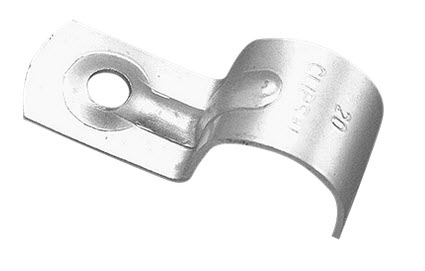
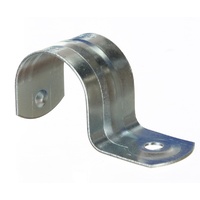
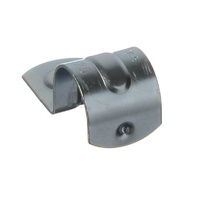
The metal half conduit saddle is the most widely used type on Australian job sites. It has a single fixing hole in the centre of its flat base, making it fast to install on flat surfaces such as brick, concrete, timber framing, and metal studs. The half saddle cradles the underside of the conduit, allowing the run to be secured quickly with a single screw. It is the standard choice for most domestic and commercial conduit work.
Metal Full Conduit Saddle
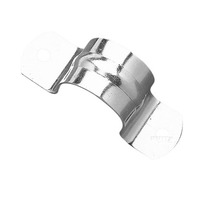
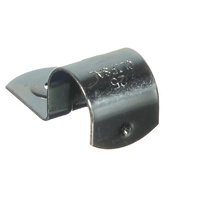
The metal full conduit saddle encircles the conduit completely and fixes with two screws, one on each side. This provides a more secure grip and is preferred on curved surfaces, in high-vibration environments, or wherever extra mechanical retention is needed. Full saddles are also used on exposed outdoor conduit runs where additional holding strength is important.
PVC Full Conduit Saddle
The PVC full saddle performs the same function as its metal equivalent but is made from UV-stabilised PVC, making it suitable for outdoor use where galvanic corrosion between dissimilar metals is a concern. It fixes with two screws and is a popular choice for securing PVC conduit to rendered or painted masonry surfaces.
PVC Conduit Clip
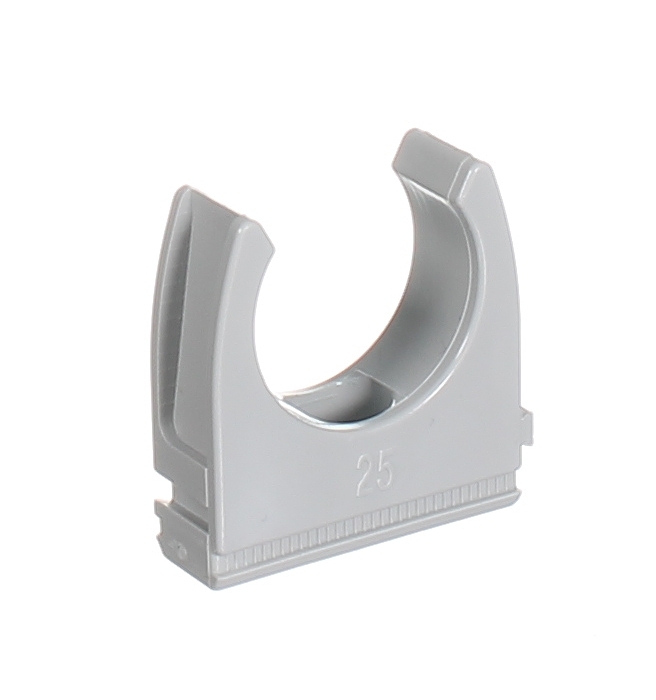
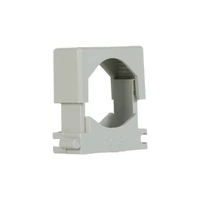
The PVC conduit clip features a concealed fixing hole: once the conduit is snapped into place inside the clip, it covers the screw head, producing a neater appearance. This makes PVC clips a preferred option for internal or commercial installations where visual presentation matters. The clip-on design also speeds up installation.
Are There Adjustable Conduit Saddles?
Adjustable or hinged conduit bracket variants do exist but are uncommon in standard Australian trade supply. They are occasionally used on industrial installations where conduit routing must accommodate structural movement or where retrofitting around existing equipment is required. For most residential and commercial work, standard fixed saddles in the correct size are the appropriate choice.
Can Conduit Saddles Be Used on Flexible Conduits?
Standard rigid conduit saddles are designed for rigid PVC or metal conduit and are not typically used to secure flexible corrugated conduit. Flexible conduit is usually supported with dedicated corrugated conduit clips or cable tie anchors. Using a rigid half saddle on flexible conduit can create stress concentration points and may damage the outer sheath. Where flexible conduit transitions to rigid conduit, the rigid conduit run should be supported with standard saddles at the appropriate intervals.
What Materials Are Conduit Saddles Typically Made From?
Material selection directly affects the service life of a conduit installation. The four principal materials available are zinc-plated steel, hot-dipped galvanised steel, stainless steel, and PVC.
Zinc-Plated Steel
- Standard indoor choice
- Cost-effective for large quantities
- Not suited to wet or coastal areas
- Available in all standard sizes
Hot-Dipped Galvanised
- Heavier corrosion protection
- Suitable for outdoor and exposed installations
- Preferred for industrial and infrastructure work
- Longer service life than zinc-plated
316 Stainless Steel
- Maximum corrosion resistance
- Essential for coastal and marine environments
- Higher cost, but eliminates rust staining
- Available from National Light Sources (NLS)
UV-Stabilised PVC
- No corrosion risk
- Lightweight and easy to handle
- Good for outdoor PVC conduit systems
- Available as clip-on or screw-fixed styles
How to Choose Between Plastic and Metal Conduit Saddles
The choice between PVC and metal saddles generally comes down to environment, conduit type, and aesthetic requirements. Metal saddles offer greater mechanical strength and are the default choice for heavy conduit runs and industrial settings. PVC saddles are lighter, immune to corrosion, and are the natural pairing for PVC conduit systems in areas where galvanic action between metal and PVC is a concern, or where a neater visual finish is required. Indoors, either material is appropriate; outdoors, UV-stabilised PVC or galvanised/stainless metal should be selected based on the exposure conditions.
Are There Lightweight Conduit Saddles for Easy Installation?
PVC clip-on saddles are the lightest option and are designed for rapid single-hand installation — the conduit simply snaps into the pre-fixed clip. For metal saddles, zinc-plated half saddles in smaller sizes (16mm to 25mm) are lightweight enough for fast high-volume installation. For large conduit runs of 40mm or greater, heavier full saddles or galvanised options are generally required to provide adequate support.
Are There Eco-Friendly Conduit Saddles Available?
Most conduit saddles are manufactured from steel or PVC, both of which are recyclable. Longer-service materials like 316 stainless steel reduce the waste associated with premature replacement due to corrosion. When purchasing in bulk, buying appropriate-specification saddles for the environment — rather than over-specifying or under-specifying — is the most practical approach to sustainability in this category.
How to Choose the Right Size Conduit Saddle
Conduit saddle sizing matches the outside diameter of the conduit being secured. Using a saddle that is too large will result in loose, shifting conduit; using one that is too small will crack the conduit or prevent it from seating correctly. The standard electrical conduit sizes used in Australian installations, and the corresponding saddles, are as follows:
| Conduit Size | Typical Application | Popular Style |
|---|---|---|
| 16mm | Light domestic wiring, small cable runs | Half saddle, zinc-plated |
| 20mm | Most common domestic and commercial use | Half saddle, PVC clip |
| 25mm | Commercial runs, multiple cable circuits | Half saddle, full saddle |
| 32mm | Larger commercial and industrial conduit | Full saddle, galvanised |
| 40mm | Industrial cable management | Full saddle, galvanised |
| 50mm | Main distribution runs, switchboard feeds | Full saddle, galvanised or stainless |
| 63mm | Heavy industrial and infrastructure | Full saddle, heavy-duty |
The most frequently ordered sizes are 20mm and 25mm, which account for the majority of domestic and light commercial conduit work in Australia. Clipsal and National Light Sources (NLS) are the leading brands stocked by Sparky Direct across these sizes.
Can You Get Conduit Saddles with Custom Sizing?
Standard saddle sizes from 16mm to 63mm cover all conduit commonly used in Australian electrical work. Custom-sized or non-standard saddles are generally not required for typical installations. For very large conduit or specialised piping systems in industrial projects, purpose-made conduit clamps or pipe clips from specialist fittings suppliers are more appropriate than electrical conduit saddles.
Best Practices for Installing Conduit Saddles
Correct installation technique ensures that conduit runs are secure, look professional, and comply with AS/NZS 3000 requirements for mechanical support of wiring systems.
What Tools Are Needed for Installing Conduit Saddles
For most installations to masonry surfaces, the following tools and fixings are required: a masonry drill (SDS or standard) with a 6mm masonry drill bit, green plastic wall plugs in 25mm length, pan head screws (typically 7g × 25mm), and a Phillips head screwdriver or battery drill driver. For timber framing, wall plugs are not required and self-tapping screws can be driven directly. Clipsal and NLS supply saddles pre-packaged with their recommended fixing screws in many product lines.
What Is the Installation Process for Conduit Saddles
The standard process for installing a 20mm half conduit saddle to a concrete or masonry wall is as follows. First, mark the saddle positions along the conduit route at the appropriate spacing intervals. Drill each fixing hole to 6mm diameter and approximately 28mm depth, then clear the hole of dust. Hammer a 25mm green plug flush with the surface. Position the conduit in the saddle channel and hold it in place while driving a 25mm pan head screw through the saddle's central fixing hole into the wall plug. Tighten firmly but do not over-torque. Repeat at each marked position.
How to Avoid Over-Tightening Conduit Saddles
Over-tightening is a common installation error, particularly with PVC conduit. Excessive torque on the fixing screw compresses the saddle into the conduit body, deforming the conduit's circular cross-section and potentially cracking PVC at low ambient temperatures. The saddle should be tightened until it holds the conduit firmly without play, but the conduit should not be visibly deformed. When installing PVC clip saddles, the clip itself determines the clamping force — these cannot be over-tightened in the same way as screw-fixed saddles.
How to Secure Conduit Saddles in High-Vibration Areas
In environments subject to vibration — such as near plant rooms, compressors, or industrial machinery — standard half saddles may gradually loosen over time. Full saddles with two fixing points provide greater resistance to vibration-induced loosening. For extreme vibration, full saddles with spring washers or vibration-dampening inserts should be used. Saddle positions should be inspected periodically as part of routine maintenance in high-vibration installations.
Best Saddle Options When Installing Conduit in Tight Spaces
In confined spaces, narrow service voids, or between structural members, the PVC clip-on saddle is the easiest to install because it only requires one hand to seat the conduit and its low profile minimises clearance requirements. For metal saddles in tight spaces, pre-drilling all fixing holes before laying the conduit makes the installation sequence significantly easier.
Recommended Conduit Saddle Spacing
Saddle spacing determines how well a conduit run is supported and affects both the appearance and compliance of the installation. Conduit that sags between saddles looks unprofessional and places mechanical stress on conduit joints and cable insulation at those sag points.
Trade guideline for 20mm and 25mm conduit: Install saddles every 600mm on vertical runs and every 400–500mm on horizontal runs. For larger conduit sizes (32mm and above), reduce horizontal spacing to no more than 400mm. Always install a saddle within 150mm of each conduit joint, fitting, or junction box entry to prevent leverage stress at fittings.
Spacing should be even and consistent throughout the run. Uneven spacing is a visible indicator of rushed workmanship and may attract attention during inspection. Installing saddles at regular intervals — measured and marked before commencing fixing — produces a professional result and ensures the conduit is adequately supported in compliance with AS/NZS 3000 Clause 3.9.3.
For reference, the conduit junction boxes in a conduit system should always be supported independently — do not rely on the conduit saddles alone to carry the weight of a junction box.
Common Problems with Conduit Saddles
Why Are My Conduit Saddles Bending?
Saddle bending is typically caused by one of three factors: undersized saddles for the conduit diameter, excessive mechanical load from overfilled conduit, or poor-quality zinc-plated saddles in an application that requires a heavier grade. If saddles are visibly deforming, switch to a heavier-duty option such as hot-dipped galvanised full saddles, increase the number of saddle positions to reduce the load on each individual saddle, and verify that the conduit fill ratio is within the limits specified in AS/NZS 3000.
Why Do My Conduit Saddles Keep Rusting?
Rust on conduit saddles is the most common complaint in outdoor and coastal installations. Standard zinc-plated saddles are not designed for prolonged exposure to moisture, salt air, or chemical atmospheres. In these conditions, zinc plating is consumed relatively quickly, leaving bare steel exposed to corrosion. The solution is to use hot-dipped galvanised saddles for general outdoor applications, or 316 stainless steel saddles for coastal and marine environments. Using the correct-specification saddle from the outset eliminates this problem entirely and avoids the time and cost of replacement.
What Is Causing My Conduit Saddles to Loosen?
Loose saddles are usually caused by vibration (see above), under-specified wall fixings, or the use of green plugs in soft or crumbling masonry that cannot hold a plug securely. In soft block work or aerated concrete, standard green plugs may not grip adequately — nylon knock-in anchors or frame fixings should be used instead. In timber framing, saddles can loosen if the fixing screw has been driven into end grain rather than face grain. Re-fixing with a larger screw or a toggle anchor in hollow partitions is the standard remedy.
Choosing Conduit Saddles for Different Environments
Best Conduit Saddle for Outdoor Use
For standard outdoor installations away from the coast, hot-dipped galvanised full saddles offer the best combination of mechanical strength and corrosion resistance. UV-stabilised PVC saddles are also suitable for outdoor use and are the preferred choice when securing PVC conduit to rendered or painted external walls where galvanic corrosion between dissimilar metals is undesirable.
Best Conduit Saddle for High-Temperature Environments
In areas subject to elevated temperatures — such as near roof spaces, industrial ovens, or processing equipment — metal saddles are the appropriate choice. PVC softens at elevated temperatures and may deform or lose its grip on the conduit in prolonged high-heat exposure. Stainless steel or galvanised steel saddles retain their structural integrity well above the temperature range encountered in standard electrical installations.
Conduit Saddles for Coastal or Corrosive Environments
For installations within approximately 1–2 kilometres of the coastline, or in environments containing chlorine, chemical fumes, or high humidity, 316 grade stainless steel is the recommended saddle material. 316 SS contains molybdenum, which provides superior resistance to chloride-induced corrosion compared to standard 304 stainless steel. Sparky Direct stocks 316 stainless saddles in 20mm and 25mm half saddle configurations — these are the correct choice for beachside homes, marine facilities, and coastal industrial sites.
Tips for Maintaining Conduit Saddles in Coastal Areas
Even stainless steel saddles benefit from periodic inspection in coastal environments. Salt deposits can accumulate in the joint between the saddle and the conduit surface, trapping moisture and accelerating crevice corrosion over time. An annual wipe-down with fresh water removes salt accumulation. When replacing saddles in coastal areas, replace the fixing screws with stainless steel equivalents at the same time — a stainless saddle fixed with a zinc-plated screw will fail prematurely at the screw.
Do Conduit Saddles Meet Australian Safety Standards?
Conduit saddles used in Australian electrical installations must comply with the requirements of AS/NZS 3000:2018, the Wiring Rules. The standard requires that wiring systems be fixed in position by suitable clips, conduit saddles, or clamps that will not damage the wiring system and will not be affected by the wiring system material or any external influences. Saddles from reputable suppliers including Clipsal and National Light Sources are manufactured for use in compliant Australian electrical installations.
There is no separate product certification mark (such as RCM) required specifically for conduit saddles as a category — they are mechanical fixing components rather than electrical equipment. However, the materials and construction must be appropriate for the intended application, and the installation must meet the requirements of AS/NZS 3000 regarding support spacing and fixing method.
Do You Need Special Permits to Install Conduit Saddles?
Installing conduit saddles as part of an electrical installation is electrical work and must be performed by a licensed electrician in all Australian states and territories. While the physical act of fixing a saddle to a wall is mechanical, it occurs as part of a regulated electrical installation and is within the scope of work reserved for licensed persons under state electrical safety legislation. Unlicensed persons must not perform electrical installation work, including conduit installation and fixing. Sparky Direct supplies trade professionals as well as informed buyers — however, all electrical installation work should be completed by, or under the supervision of, a licensed electrical contractor.
Do Conduit Saddles Come in Different Colours?
Standard conduit saddles are supplied in their natural material colour: zinc-plated saddles are silver-grey, galvanised saddles are matt grey, stainless steel saddles are bright silver, and PVC saddles are typically white or grey. Colour-specific variants are not commonly stocked in the Australian trade market for conduit saddles as a standard offering.
Can Conduit Saddles Be Painted to Match Decor?
Metal conduit saddles can be painted once installed, provided that the paint does not interfere with the electrical integrity of the installation and does not cover any required identification markings on the conduit itself. A coat of rust-inhibiting primer followed by a suitable topcoat is acceptable on zinc-plated or galvanised saddles for decorative purposes in interior residential installations. PVC saddles can be painted with plastic-compatible paint if required for aesthetics. Painting should not be applied to the contact surface between saddle and conduit in a way that could compromise the mechanical grip of the fitting.
Compare Conduit Saddle Types for Residential Projects
For standard domestic electrical work, the 20mm zinc-plated half saddle is the workhorse. It is cost-effective, fast to install, and suitable for all typical indoor conduit runs. For any conduit passing through wet areas or exposed to moisture — laundries, sub-floors, or external wall penetrations — upgrading to galvanised or PVC saddles is recommended. Interior conduit runs to switchboards, light fittings, and power points on rendered or plasterboard walls are most commonly completed using PVC clip-on saddles for their clean appearance.
Best Conduit Saddle Options for DIY Projects
Where licensed electrical work has been performed and a handyperson is assisting with surface preparation or finishing work, PVC clip-on saddles in 20mm and 25mm are the simplest to handle — they require no saddle alignment and snap securely onto the conduit. However, all conduit installation and wiring work must be performed by a licensed electrician. For legitimate DIY applications such as securing data cabling or communications conduit that is not part of the mains electrical installation, the same saddle types and sizing principles apply.
Conduit Saddles for Commercial Electrical Projects
Commercial projects typically involve larger conduit sizes, longer runs, and greater quantities of saddles. For commercial work, buying saddles in bulk box quantities reduces per-unit cost significantly. Stocking 20mm and 25mm zinc-plated half saddles in 100-piece boxes is the standard approach for commercial electrical contractors. For industrial sites or coastal commercial properties, galvanised or stainless saddles in full saddle configurations provide the durability required for long-term performance without maintenance. Conduit straight glands, conduit elbows, and straight tees are the complementary fittings for any commercial conduit installation.
How to Check the Quality of Conduit Saddles Before Purchase
For metal saddles, the plating should be uniform with no bare patches, bare edges, or surface rust present in new product. The saddle's profile should accurately match the stated conduit diameter — trial-fit a sample saddle to a conduit piece before purchasing in bulk if you are unsure. PVC saddles should have a rigid, non-brittle feel and snap crisply without flexing excessively when the conduit is inserted. Avoid saddles with visible mould flash, thin walls, or uneven profiles, as these indicate poor-quality manufacturing and may fail prematurely.
Top Conduit Saddle Brands Used by Electricians
The most consistently used conduit saddle brands among Australian electricians are Clipsal (a Schneider Electric brand), known for consistent quality across their full range, and National Light Sources (NLS), which supplies a comprehensive range of saddles including 316 stainless steel variants for coastal applications. Both brands are well-established in the Australian market with proven service records in residential, commercial, and industrial installations.
Most Popular Conduit Saddle Models in 2026
The top-selling conduit saddle lines at Sparky Direct are the 20mm zinc-plated half saddle (available in 100-piece boxes), the 25mm zinc-plated half saddle, the 25mm galvanised full saddle (heavy-duty, 50-piece pack), and the 20mm and 25mm PVC clip-on full saddles. For coastal installations, the NLS 316 stainless half saddles in 20mm and 25mm have a strong repeat buyer rate — electricians who have experienced zinc saddle corrosion in coastal areas consistently switch to stainless once they have used it.
Looking for Durable Conduit Saddles?
For maximum durability, 316 stainless steel saddles are the definitive choice in any environment with moisture or salt exposure. For inland outdoor applications, heavy-duty hot-dipped galvanised full saddles provide excellent service life. For indoor applications, standard zinc-plated half saddles will outlast the installation's useful life when used in dry, protected environments as intended.
Where to Buy Conduit Saddles in Bulk
Sparky Direct stocks conduit saddles in bulk trade quantities. The most common pack sizes are 50-piece and 100-piece boxes for 20mm and 25mm saddles, making it practical to order the required quantity for a complete project in a single purchase. Ordering online through Sparky Direct allows trade buyers to specify exact quantities, select sizes and material grades, and receive delivery direct to site or depot.
Finding a Supplier Offering Bulk Discounts
Sparky Direct operates as an online electrical wholesaler with competitive trade pricing across its conduit saddle range. Buying in box quantities rather than single units provides the best per-unit cost. For large commercial or infrastructure projects requiring significant volumes, contacting Sparky Direct directly to discuss project quantities is recommended.
Affordable Conduit Saddles for Large-Scale Projects
For cost management on large conduit installations, specifying zinc-plated half saddles for all protected interior runs and reserving galvanised or stainless saddles for exposed or outdoor sections is the most efficient approach. This tiered specification reduces total material cost while ensuring that each section of the installation uses the appropriate grade for its environment.
Fast Shipping Options for Urgent Orders
Sparky Direct ships Australia-wide. Orders placed before the daily dispatch cut-off are processed same day, with express delivery options available at checkout for urgent requirements. Conduit saddles are compact, lightweight items that ship efficiently even in large bulk quantities.
Best Deals on Conduit Saddles This Month
To view current pricing and available deals on conduit saddles, browse the live conduit saddle category at Sparky Direct. Pricing is updated regularly and the site reflects current stock levels and any promotional pricing.
Related categories worth browsing for complete conduit system supply: 20mm conduit junction boxes, 25mm conduit junction boxes, cable glands, cable ties, cable clips, and conduit straight glands.
Where Can Electricians Find Reviews for Conduit Saddles?
Conduit saddles are a commodity product and most trade buyers select based on material grade, size, and price rather than brand loyalty. That said, product reviews from verified trade buyers provide useful insight into real-world service life, especially for stainless and galvanised variants in outdoor environments. Sparky Direct publishes verified Bazaarvoice reviews on individual product pages — these reviews are submitted by confirmed purchasers and reflect actual installation experience. For commercial specification decisions, consulting with a licensed electrical contractor or referring to the manufacturer's technical documentation provides the most reliable guidance.
Conduit Saddle Product Videos
Watch NLS 30225 | 20mm Half Saddles 316 Stainless Steel (100 Jar) video
Watch NLS 30568 | 25mm Clip-On PVC Full Saddle video
Watch NLS 30056 | 20mm 1 way Junction Box video
What Sparky Direct Customers Say

I live by the beach and everything rusts. 316ss saddles are very hard to find but well worth the effort and additional cost. The quality is excellent and will definitely save money in the long term. They also eliminate rust stains running down the wall of your house.
I was very happy to find these stainless steel saddles as I have just had some electrical work done which included a fair bit of outside conduit. Being near the ocean I knew it was only a matter of time before I had the rust marks dripping down walls. I have replaced all these standard saddles with the new stainless ones and stainless screws. Time will tell.
The saddles came on time. I ordered a box. There was no issues with the amount I ordered. When ever I asked, "How many come in a box?" I am always informed immediately. That's one of the reasons I deal with SparkyDirect, they are always on the ball.
Shop Conduit Saddles at Sparky Direct
Full range in stock • Half saddles, full saddles & PVC clips • Fast Australia-wide delivery
Browse Conduit Saddles → Get Expert Advice →- Conduit saddles secure conduit to surfaces, preventing sagging and mechanical stress on cables in compliance with AS/NZS 3000:2018 Clause 3.9.3.
- The four main types are metal half saddle, metal full saddle, PVC full saddle, and PVC clip-on saddle — each suited to different surface types and environments.
- Standard sizes are 16mm, 20mm, 25mm, 32mm, 40mm, 50mm, and 63mm; 20mm and 25mm half saddles are the most commonly used in domestic and commercial work.
- For coastal or marine environments, 316 stainless steel saddles are the correct choice — zinc-plated saddles corrode rapidly in salt air.
- Space saddles every 600mm on vertical runs and 400–500mm on horizontal runs; always fit a saddle within 150mm of every conduit joint or fitting.
- All electrical conduit installation work must be performed by a licensed electrician in Australia.
Conduit Saddle Frequently Asked Questions
Do conduit saddles make installations look neater?
Yes, evenly spaced saddles help create a clean and professional finish.
Conduit Saddle near me
Sparky Direct supplies conduit saddles Australia-wide, offering reliable electrical conduit fixing solutions with convenient delivery.
How are conduit saddles delivered?
Conduit saddles are securely packaged and delivered via standard courier services.
Can unused conduit saddles be returned?
Unused products are generally eligible for return according to the seller’s returns policy.
What warranty applies to conduit saddles?
Warranty coverage varies by manufacturer and typically covers defects in materials or workmanship.
Are conduit saddles sold individually?
Yes, conduit saddles are typically sold as individual electrical fixings.
Should the correct saddle type be chosen carefully?
Yes, selecting the right size and type ensures secure and compliant installation.
Do conduit saddles require maintenance?
Once installed correctly, they generally require no maintenance.
Can conduit saddles be used in renovations?
Yes, they are commonly used when installing new or upgraded conduit runs.
Are conduit saddles visible after installation?
They may be visible in surface-mounted conduit installations.
Are conduit saddles durable?
Quality conduit saddles are designed to withstand everyday installation conditions.
Do conduit saddles prevent conduit movement?
Yes, they help prevent vibration and movement over time.
Are conduit saddles easy to use?
They are straightforward for trained professionals to install as part of a compliant system.
What is a conduit saddle?
A conduit saddle is an electrical fixing used to secure conduit to walls, ceilings, or other surfaces.
Are conduit saddles commonly used by electricians?
Yes, they are a standard fixing used in most conduit installations.
Why are conduit saddles important?
They keep conduit secure, tidy, and safely positioned along surfaces.
Do conduit saddles help maintain conduit alignment?
Yes, they help keep conduit runs straight and evenly spaced.
Are conduit saddles suitable for commercial projects?
Yes, they are suitable for residential, commercial, and light industrial installations.
Can conduit saddles be used indoors?
Yes, they are widely used for indoor electrical installations.
Are conduit saddles suitable for rigid conduit?
Yes, they are commonly used with rigid electrical conduit systems.
What materials are conduit saddles made from?
They are typically made from PVC or metal, depending on the application.
Are conduit saddles available in different sizes?
Yes, they are available to suit common conduit sizes such as 20mm, 25mm, and 32mm.
What types of conduit saddles are available?
Common types include spacer saddles, snap saddles, and metal or PVC saddles.
Do conduit saddles comply with Australian standards?
Quality conduit saddles are manufactured to meet relevant AS/NZS electrical and safety standards when used correctly.
What are conduit saddles used for?
They are used to hold electrical conduit firmly in place and maintain neat, secure conduit runs.