

Zigbee Wiser
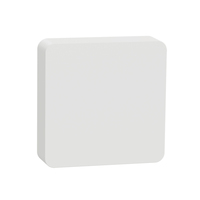
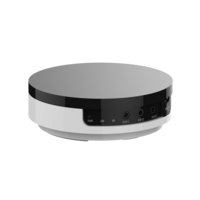
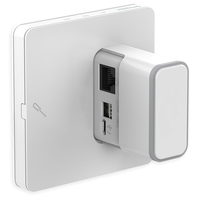
Clipsal Iconic Wiser CLP501902_0001 | Clipsal Wiser Hub Table Stand
$21.73
$19.75 ex. GST
Search Results:
Search Results:
Find the best Clipsal Iconic Wiser products here at Sparky Direct. [ Read More ]

Clipsal Iconic Wiser is the connected version of the standard Iconic switch range. The mechanisms drop into the same Iconic grids and skins, but each one carries a Zigbee radio that pairs with a central Wiser Hub. The hub then bridges the devices to the Wiser Home app, voice assistants, and broader smart home platforms.
Wiser devices are made for Australian wiring conventions: 230V single-phase, neutral-required loads, 86mm grid spacing, and the same backbox depth as standard Iconic. Installation must comply with AS/NZS 3000:2018 (Wiring Rules) and is restricted to licensed electricians.
Standard Iconic is a manual mechanical switch. Iconic Wiser is the same physical switch with an embedded Zigbee module. The push-button feel is identical, but Wiser switches can be controlled by app, voice, schedule, or automation rule. Standard Iconic plates, surrounds, and skins are interchangeable across both ranges.
Wiser is available through electrical wholesalers, hardware chains, and specialist online suppliers. Each channel has trade-offs in pricing, stock depth, and technical support.
Electrical wholesalers stock the full Iconic Wiser range including mechanisms, hubs, sensors, and accessories. Retail hardware stores typically carry only the most popular SKUs. Specialist online wholesalers like Sparky Direct combine wholesale pricing with the broader range, shipping Australia-wide.
Look for suppliers that publish current stock levels, hold genuine Schneider Electric inventory, and offer phone or email support from staff who understand the product. Suppliers should also stock matching Iconic grids and blank plates, skin plate covers, and replacement mechanisms.
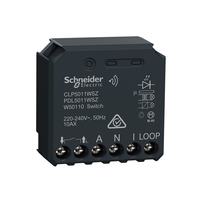
For commissioning a project, Wiser components need to land together. Sparky Direct stocks hubs, switches, dimmers, fan controllers, and accessories ready to ship. Trade buyers can call or email Sparky Direct support to confirm stock and delivery before placing larger orders.
The system is built around three layers: the field devices (switches, dimmers, sensors), the Wiser Hub, and the Wiser Home app. Each layer plays a defined role in the data flow.
Unlike Wi-Fi smart switches, Wiser devices do not connect directly to the home router. They form a Zigbee mesh that talks to the Wiser Hub. The hub then connects to the home network and the cloud. This separation keeps the wireless load off the Wi-Fi network and makes the mesh more reliable as it grows.
Most Wiser devices support both Zigbee (for hub-connected operation) and Bluetooth (for direct local control). Zigbee is the production protocol once a hub is installed. Bluetooth is used for initial setup or for small installs without a hub.
The Wiser Home app (also branded Wiser by SE in some markets) handles device pairing, room grouping, automation rules, and remote access. The app is available for iOS and Android and is required for full system functionality.
The Wiser Hub is the brain of the installation. It coordinates all Zigbee devices, runs automations locally where possible, and bridges to the cloud for remote access.
The hub plugs into a power point and connects to the home router via Wi-Fi or Ethernet. Once online, it pairs with Zigbee devices through the Wiser Home app. Each new device joins the mesh and becomes part of the network.
One Wiser Hub supports up to around 200 Zigbee devices in typical residential conditions. Real-world capacity depends on signal strength, mesh routing, and the number of automations. For most homes, one hub is enough. Larger installations can use multiple hubs.
Mains-powered Wiser switches act as repeaters, extending the mesh as more devices are added. This is the opposite of Wi-Fi smart switches, where each new device adds load to the router. A well-populated Wiser mesh becomes more reliable, not less, as it grows.
Schneider has confirmed Matter bridge support for the Wiser ecosystem, which exposes Wiser devices to any Matter-compatible controller (Apple Home, Google Home, Amazon Alexa, SmartThings). This protects the install against single-platform lock-in.
Connectivity: Zigbee 3.0, Wi-Fi 2.4GHz, Bluetooth (commissioning). Power: USB-powered. Mounting: bench-top, wall, or shelf. App: Wiser Home (iOS, Android). Cloud: Schneider Electric Wiser cloud platform.
Wiser devices speak two protocols. Understanding when each is used helps explain how the system behaves before and after the hub is installed.
Zigbee is a low-power mesh protocol designed for IoT. It runs in the 2.4GHz band but uses less bandwidth than Wi-Fi. Range between Zigbee devices is around 10 to 30 metres indoors, and the mesh extends through every mains-powered node.
Bluetooth lets a phone control a Wiser device directly without the hub. This is useful during commissioning or for small jobs where a hub is not justified. Bluetooth range is shorter and there is no remote access.
Most Wiser devices ship in Bluetooth mode. Joining the device to a Wiser Hub switches it to Zigbee mode automatically. The change is one-way during normal operation: once paired to a hub, the device runs as a Zigbee node.
For any install with more than 4 to 5 connected devices, Zigbee with a hub is the right choice. Bluetooth-only is acceptable for a single room or a renter who cannot install a hub permanently.
The Wiser range covers most of the connected hardware needed for a complete smart home install, all matched to the standard Iconic aesthetic.
For matched accessories and finish options, see the Clipsal Iconic Styl range and the Iconic Essence range.
Wiser switches are designed to behave like normal Iconic switches at the wall plate. The smart functionality sits behind the push-button, not in front of it.
Every Wiser switch can be operated manually with the same push-button feel as standard Iconic. App or voice control is added on top. This means the switch still works during a Wi-Fi outage and remains usable for visitors who do not have the app.
Wiser dimmers are typically 2 to 250W, designed for trailing-edge LED loads. Dimmer compatibility depends on the LED driver. For mixed loads, check the dimmer specification sheet against the lamp manufacturer's compatibility chart before ordering.
For two-way and three-way switching, Wiser uses a system called ControlLink. ControlLink switches share state across the mesh, so any switch in the group reflects the current load condition. This avoids the wiring complexity of traditional travellers.
Common automations include: lights on at sunset, hallway lights at low brightness overnight, motion-triggered bathroom lighting, and "leaving home" routines that turn everything off in one tap. See the broader Light Switches range for non-smart alternatives.
Energy visibility is one of the practical reasons electricians recommend Wiser over a basic smart switch. The system can report consumption at the device, circuit, and whole-home level.
PowerTag is a small wireless sensor that clips around a circuit conductor in the switchboard. It reports per-circuit power consumption back to the Wiser Hub, so the homeowner can see exactly which circuit is using what.
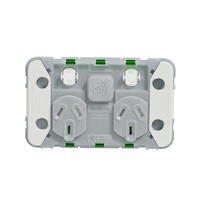
Wiser-enabled GPOs report on/off state and load consumption for whatever is plugged into them. This works well for high-draw appliances like dishwashers, dryers, and second fridges where standby load is a concern.
Automations can switch loads off when consumption hits a set threshold or when solar export drops below a target. This is useful for hot water and pool pump control on solar households.
The data alone does not save energy. The behavioural change does. Visibility helps householders identify standby loads, peak-tariff usage, and circuits running longer than expected. Most users report 10 to 15 percent savings within the first six months.
Automation is where Wiser pays back the install cost. The Wiser Home app supports time-based, sensor-based, and condition-based rules.
"Moments" are scenes: one tap sets multiple devices to defined states. Examples: "Movie" dims the lounge to 20 percent, switches off the kitchen, and closes the blinds. Automation rules trigger Moments on a schedule, sensor input, or external event.
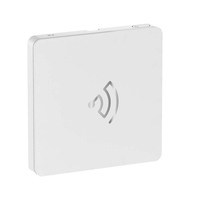
Wiser motion sensors integrate directly without requiring a separate bridge. Common patterns include hallway lighting at night, walk-in robe lights, and bathroom exhaust fan timers triggered by occupancy.
Every connected device supports schedules. Schedules can repeat daily, on selected weekdays, or based on sunrise/sunset offsets. This is useful for outdoor lighting, pool equipment, and irrigation controllers.
Wiser can pull data from supported solar inverters and battery systems. Automations can run loads only when solar export is positive, or pre-cool the home before peak tariff windows.
Wiser is designed to play well with the major voice and ecosystem platforms, not lock the install into a single vendor.
Wiser integrates natively with Google Assistant and Amazon Alexa. Apple Home integration is handled through the Matter bridge once the hub firmware is updated. Voice commands work for individual devices, room groups, and Moments.
Matter is the cross-platform smart home standard backed by Apple, Google, Amazon, and Samsung. Schneider has committed to exposing Wiser devices through a Matter bridge, which means a Wiser switch can appear in Apple Home, Google Home, and Alexa simultaneously.
Power users often integrate Wiser into Home Assistant via Zigbee2MQTT or ZHA. This bypasses the cloud entirely and gives full local control. Several customer reviews on this page reference this approach as a reason for choosing Zigbee over Wi-Fi.
Zigbee plus Matter is a defensive choice. It means the devices stay useful even if Schneider changes the cloud platform, and it means future devices from other vendors can integrate without additional bridges.
The right starting kit depends on the size of the property, the number of zones to control, and the homeowner's appetite for expansion.
For a single room or a small unit, a Bluetooth-only setup with two or three Wiser switches is enough. For a 3-bedroom home or larger, a hub plus 8 to 15 devices is the typical starting point.
Apartments do well with Wiser switches and a single hub. Houses benefit from adding sensors, blind controllers, and energy monitoring. Larger properties (over 300m²) may need additional Zigbee repeaters or a second hub.
Plan the install for the end state, not the starting kit. Allow capacity headroom on the hub. Standardise on one switch series (Iconic or Iconic Styl) for visual consistency across rooms.
Mixing Zigbee devices from different vendors works in theory but adds complexity. For a clean install, stay within the Wiser ecosystem for switches, dimmers, and sensors. Third-party Zigbee devices can be added later through Home Assistant if needed.
Wiser switches are mains-wired and must be installed by a licensed electrician. The physical install is the same as standard Iconic; the smart commissioning happens afterwards through the app.
All hard-wired Wiser devices require licensed electrical work under AS/NZS 3000:2018. DIY installation is illegal in every Australian state. Battery-operated sensors and the hub itself can be installed by the homeowner.
Retrofits drop into existing 86mm boxes and use the existing cabling, provided neutral is available at the switch (most Wiser switches require neutral). For new builds, plan neutral runs to every switch position.
Standard two-way switching uses traveller cables. With ControlLink, both switches use a normal switch loop and pair wirelessly. This simplifies wiring on retrofits where running travellers is impractical.
Isolate the circuit at the switchboard. Verify dead with a tested voltage indicator. Confirm neutral is present and identified correctly. Test the device manually before commissioning to the hub.
Compliance reminder: All Wiser hard-wired installation work must be performed by a licensed electrician and certified to AS/NZS 3000:2018. Sparky Direct supplies the equipment. We do not perform installation work.
Smart switches are only as good as their reliability. Disconnections, app lag, and forgotten devices are the things that turn customers off the technology.
Schneider Electric has been making Clipsal switches since 2003. The Iconic mechanism is the same proven base used across the conventional range. Wiser adds the radio module without changing the contact design.
Zigbee is more stable than Wi-Fi for smart switches because it uses less bandwidth, has shorter packet times, and routes around weak nodes through the mesh. Most disconnection complaints in the industry come from Wi-Fi smart devices, not Zigbee.
The Wiser Home app handles pairing, device control, scenes, and schedules. Local commands (within the home) are typically sub-second. Remote commands depend on cloud round-trip and are usually 1 to 3 seconds.
Schneider Electric is a tier-1 global manufacturer with formal long-term firmware support for Wiser. This is a meaningful difference from no-name Zigbee brands that may stop updating after 12 months.
Most Wiser issues fall into a small number of repeatable patterns. The fixes are usually straightforward once the cause is identified.
If a device will not pair, confirm the hub is online, the Wiser Home app is up to date, and the device is in pairing mode (held until LED flashes). Reset the device by pressing and holding for 10 seconds and try again.
Devices showing offline are usually a mesh issue, not a device fault. Adding a powered Zigbee repeater between the hub and the offline device usually resolves it. Distance through walls is the most common cause.
Check that the trigger device is online, the schedule time zone matches the hub setting, and the target devices are responding to manual app commands. If sensors are involved, confirm battery status.
If the hub starts dropping commands or showing lag, count the number of paired devices. Above 150 devices on a single hub, performance degrades. Consider adding a second hub for the next zone.
Wiser is positioned above DIY Wi-Fi smart switches and below dedicated home automation systems like C-Bus or KNX. The value comes from reliability, longevity, and integration with Australian electrical conventions.
Entry-level installs cover one or two rooms with a hub and a few switches. Full-system installs cover lighting, power, fans, blinds, and energy monitoring across the whole property. Most jobs grow over time rather than going in all at once.
Per-switch cost is higher than a basic Wi-Fi smart switch but lower than a C-Bus equivalent. The crossover point compared to DIY systems is usually around 10 to 15 connected devices, where Wiser's mesh stability and energy monitoring start to outweigh the per-unit cost difference.
DIY Wi-Fi smart switches have a track record of dropping support after 2 to 3 years when the manufacturer changes platforms. Schneider has long-term support commitments and the Matter bridge protects against future protocol changes.
Add devices as budget allows. The hub supports incremental expansion, and new device firmware integrates automatically. Plan finishes (skin colour, plate style) at the start so additions match.
Wiser is used across several distinct project types. Each has its own design considerations.
Most Wiser jobs are residential retrofits or new builds. Typical scope: lighting control, fan control, energy monitoring, and a handful of automations. Job size is usually 8 to 20 devices.
New builds offer the chance to plan neutral runs to every switch position and pre-wire for future devices. Retrofits work well where neutral is already at the switch (common in newer Australian homes).
Wiser scales into small commercial fitouts, serviced apartments, and short-stay accommodation. The same hub model can manage multiple zones with separate user access. For larger commercial work, look at Schneider's KNX or building automation ranges.
PowerTag plus Wiser GPOs gives circuit-level and appliance-level visibility. This pairs well with solar and battery installs where load shifting is the goal. Sparky Direct stocks smart solutions across multiple brands for these projects.
Smart switches are still electrical equipment. The same compliance rules apply as any other connected wiring accessory.
All hard-wired Wiser installation work must comply with AS/NZS 3000:2018 (Wiring Rules). Devices themselves are tested to AS/NZS 60669 (switches) and AS/NZS 3112 (socket outlets) where applicable.
Devices must be installed dead, with the circuit isolated at the switchboard. Neutral must be identified correctly at every Wiser switch. RCD protection is required on lighting and socket circuits per the wiring rules.
The Wiser cloud platform uses TLS-encrypted connections and individual user authentication. For users concerned about cloud dependence, the Home Assistant integration via Zigbee2MQTT bypasses the cloud entirely and runs everything locally.
Schneider's enterprise infrastructure background means firmware patches and security updates roll out on a regular schedule. This is a different reliability profile from start-up smart device brands.
The closest comparisons are DIY Wi-Fi smart switches, dedicated lighting systems like Philips Hue, and high-end automation systems like C-Bus.
| System | Protocol | Best Use Case | Per-Device Cost |
|---|---|---|---|
| Clipsal Iconic Wiser | Zigbee + Matter bridge | Whole-home, electrician-installed | Mid-tier |
| DIY Wi-Fi smart switches | Wi-Fi 2.4GHz | Single rooms, renters | Low |
| Philips Hue | Zigbee (proprietary) | Lamp-based lighting only | High (lamps), low (switches) |
| Clipsal C-Bus | Wired bus | High-end new builds | Highest |
Wi-Fi switches are cheaper per unit and easier for non-electricians to set up. They are less reliable as the device count grows because each one adds load to the router. Wiser is the better choice once the install reaches 8 to 10 devices.
Philips Hue is excellent for lamp-based lighting but does not address switches, power points, fans, or blinds. Wiser covers the whole electrical install, which is what most homeowners actually need.
C-Bus is a wired automation bus designed for high-end commercial and luxury residential. It is more capable but requires dedicated bus cabling and a higher commissioning cost. Wiser delivers most of the practical functionality without the cabling.
Single room: Wi-Fi or Bluetooth Wiser. Whole house: Wiser with hub. New-build luxury: C-Bus. Renovation: Wiser. Apartment: Wiser. Commercial fitout: Wiser for small, KNX or C-Bus for large.
Club Clipsal is Australia's largest electrician community offering trade rewards, business support, and exclusive benefits. When you nominate Sparky Direct as your preferred wholesaler, we automatically apply your Clipsal spend points to your Club Clipsal account daily.
Entry-level offering coaching, mentoring, and training discounts
Unlock exclusive industry tools and networking events
Access Toyota fleet offers and business software discounts
Maximum benefits, including VIP experiences and rewards
1. Sign Up: Create your Club Clipsal account at clipsal.com/club-clipsal or via the iCat mobile app
2. Nominate Sparky Direct: Select Sparky Direct from the wholesaler dropdown menu in your profile
3. Add Email: Enter your Sparky Direct account email address in the membership number field
4. Start Earning: Every dollar spent on Clipsal products earns points automatically
Redeem points from the rewards store, including gift cards, tools, and experiences. Access business summits, product training, and industry networking events. Receive early access to new product launches and special promotions. Connect with fellow electricians via the Club Clipsal community app.
Watch Clipsal Iconic 41EPBDWCLMZ-VW | Zigbee Wiser Connected Dimmer with ControlLink video
Watch Clipsal Iconic 40MLEDW | Clipsal Iconic - Switch Mechanism, LED Module, 250V, White | Single Buy video
Watch Clipsal Iconic 40MLEDW | Clipsal Iconic - Switch Mechanism, LED Module, 250V, White 10 Pack video

Great slim profile zigbee hub, a bit pricy compared to the alternatives in the market. Response time is great compared to standard wifi mechs sold in the big green warehouse. Yet to test hubs wifi range, but expecting it to be similar to other smart hubs in the market. Pairs easily with the Wiser app, just hold the button for 10 seconds and follow the prompts. Solid build quality, runs cool, and the Zigbee mesh has been rock solid across the house.
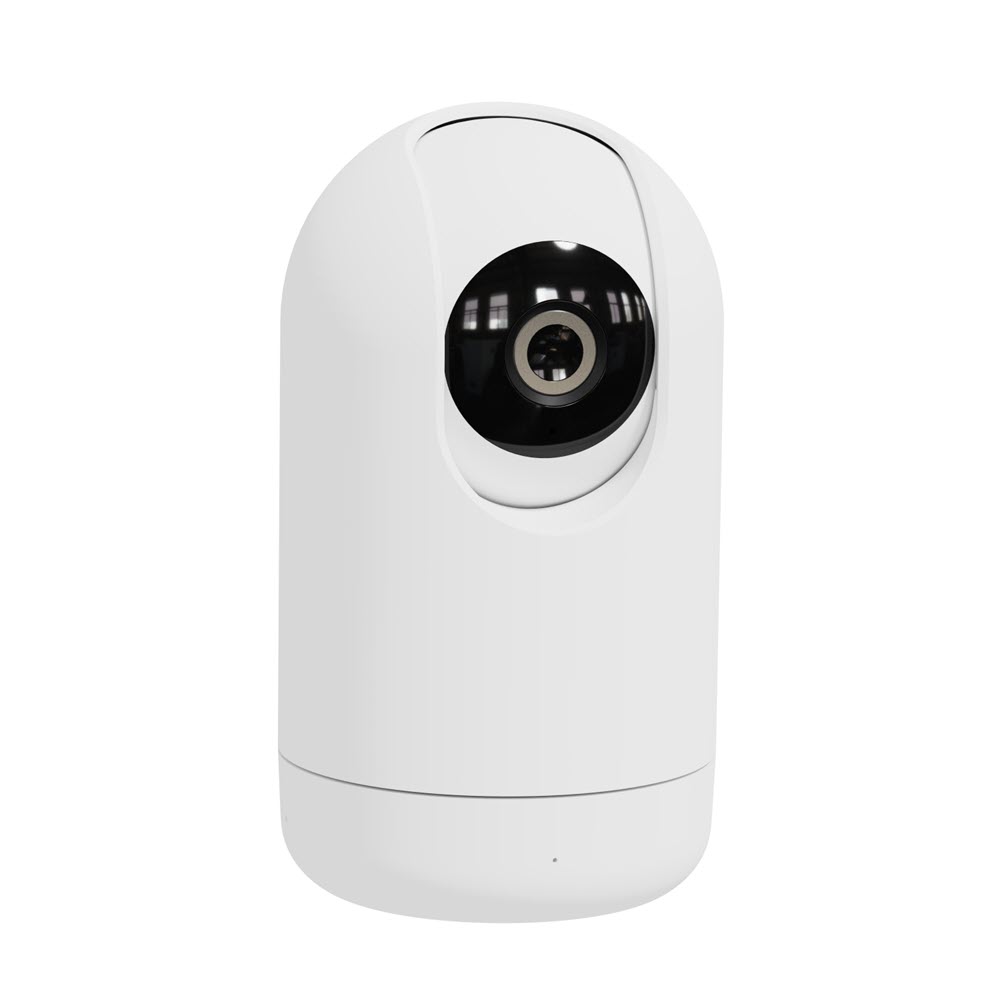
The Wiser hub is required to use Clipsal Iconic light switches and cameras etc via WiFi. It is overpriced in my view, but does a great job and connects every time, from anywhere in the world. If you want to use the Clipsal Iconic Wiser ecosystem properly, you really need this hub. Setup was straightforward and the app picks up new devices reliably.
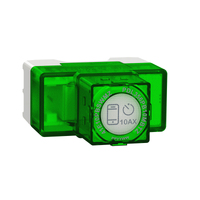
Great Zigbee switch for standard loads like lights and fans. Works great wth Wiser hub. I'm using these instead of the expensive control link switches to make two way switching using automations in Wiser. The mech is solid and the Zigbee pairing was painless. Only gripe is the push-button feedback could be more positive, but the function is exactly what you want from a connected switch.
Quality products in stock • Fast Australia-wide delivery • Competitive trade pricing
Browse Clipsal Iconic Wiser → Get Expert Advice →Yes, access can usually be shared with multiple users through the app.
Sparky Direct supplies Clipsal Iconic Wiser products with fast Australian delivery to support smart electrical installations.
Yes, installation of Clipsal Iconic Wiser electrical products must be completed by a licensed electrician.
Warranty coverage varies by product and manufacturer and generally applies to manufacturing defects.
Check compatibility, wiring requirements, hub requirements, and intended use.
Yes, products are available individually, allowing flexible system design.
It may be suitable with property owner approval and compliant installation by a licensed electrician.
App updates are provided by the manufacturer to improve performance and compatibility.
Basic functionality typically does not require ongoing fees, depending on system configuration.
Yes, additional compatible devices can usually be added to expand the system.
It is commonly used in new builds and renovations, with suitability depending on existing wiring and setup.
Smart scheduling and control features can assist with reducing unnecessary energy use.
Local switching typically continues to operate, but remote and app-based features may be limited.
Clipsal Iconic Wiser is a smart home system that integrates with the Clipsal Iconic range to provide connected control of lighting and electrical devices.
Yes, Clipsal Iconic Wiser switches function like standard switches even without using the app.
The system is designed with user-friendly app controls and familiar switch designs for everyday use.
Integration may be available with selected smart home ecosystems, depending on product and software support.
Yes, the system allows scheduling and automation features through the app, depending on device configuration.
Yes, many Wiser dimmers and switches are designed to work with compatible LED lighting, subject to load requirements.
The system is commonly used in residential applications and may also suit light commercial environments.
Yes, Clipsal Iconic Wiser products supplied in Australia are designed to comply with relevant AS/NZS electrical safety standards.
The system connects to the internet via the hub, allowing remote access and smart control features.
Most Wiser systems require a dedicated hub to enable smart functionality and communication between devices.
Clipsal Iconic Wiser uses connected devices and a central hub to enable control through a mobile app and compatible smart platforms.
The range includes smart switches, dimmers, power points, sensors, and hubs designed to work within the Clipsal Iconic system.