

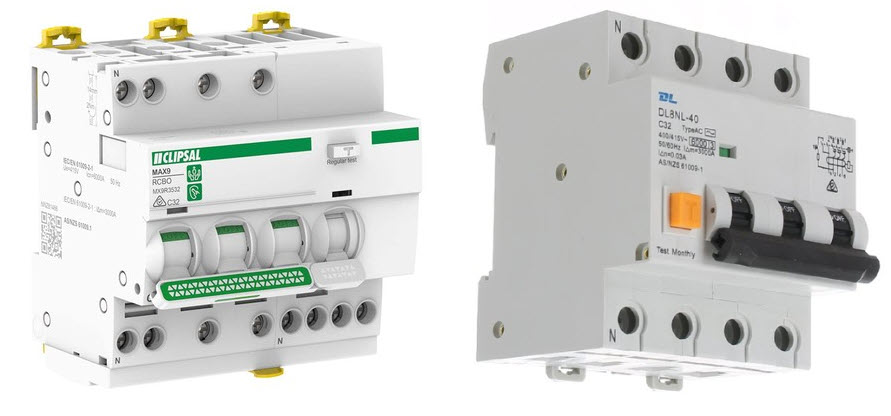



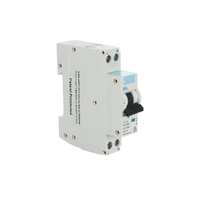
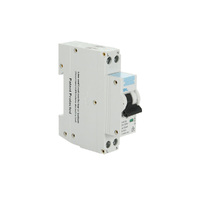
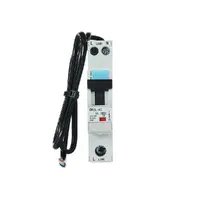
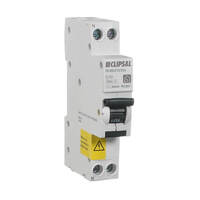
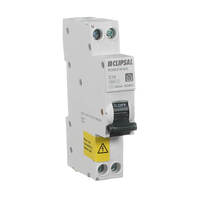
RCBO: What is it?
Table of Contents
- What Is an RCBO?
- Type A vs Type B RCBO: Which One Does Your Australian Property Actually Need?
- RCBO vs RCD vs MCB: Which Safety Device Does Your Australian Home Need?
- RCBO Key Features and Benefits: Why RCBOs Protect Your Property Better Than RCD + MCB
- Clipsal vs Hager vs Schneider RCBO: Which Brand Should You Buy for Your Australian Property?
- RCBO Applications: Where RCBOs Are Required in Australia
- RCBO Installation Requirements Under AS/NZS 3000: Australian Electrical Safety Standards Explained
- Why Does My RCBO Keep Tripping? Common Causes and How to Fix Them
- Specialty RCBOs Explained: Type B, D-Curve & High-Sensitivity Options for Specific Applications
- How to Reset an RCBO
- Product Videos
- What Our Customers Say: Real Reviews from Australian RCBO Buyers
- Quick Summary
- Frequently Asked Questions
What Is an RCBO?
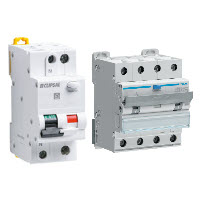
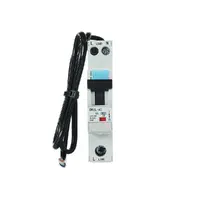
An RCBO is a safety device that protects electrical circuits from three major hazards.
Earth Fault Currents: Detects current leaking to earth and disconnects power within milliseconds. This prevents electric shocks.
Overload Protection: Monitors circuit load. If demand exceeds cable capacity, the RCBO trips to prevent overheating.
Short Circuit Protection: Responds to sudden current surges caused by faults. Stops dangerous wire melting and fire risks.
RCBOs are the preferred protective device in many Australian installations under AS/NZS 3000:2018. They replace the old setup of separate RCDs and MCBs, saving switchboard space.
Type A vs Type B RCBO: Which One Does Your Australian Property Actually Need?
RCBOs come in different types based on what earth faults they detect.
| Feature | Type A RCBO | Type B RCBO |
|---|---|---|
| Detects | AC faults + pulsating DC up to 6mA | AC faults + all DC faults (smooth DC) |
| Best For | Standard circuits, appliances, lighting | EV chargers, solar inverters, heat pumps |
| Australian Use | Most residential and commercial | Required for DC injection sources |
| Cost | Standard pricing | Higher cost (specialised protection) |
| Recommendation | Default choice for typical circuits | Mandatory for EV and solar systems |
Modern electronics like washing machines and fridges can create DC leakage. Type A handles this. Type B is for installations with smooth DC components.
Always check manufacturer specs for EV chargers and solar systems. Many require Type B protection.
RCBO vs RCD vs MCB: Which Safety Device Does Your Australian Home Need?
Understanding the difference helps you choose the right protection.
| Device | Earth Leakage | Overcurrent | Space Used | Best Use |
|---|---|---|---|---|
| RCBO | Yes (30mA typical) | Yes | 1-2 modules | Individual circuit protection |
| RCD | Yes (30mA typical) | No | 2-4 modules | Multiple circuits (shared protection) |
| MCB | No | Yes | 1 module | Overcurrent only (no shock protection) |
When to Use an RCBO:
- Dedicated protection for critical circuits
- Prevents nuisance tripping affecting other circuits
- Saves switchboard space in new builds
- Required for outdoor power points and pool equipment
When to Use RCD + MCB:
- Multiple low-risk circuits sharing protection
- Upgrading older switchboards with limited space
- Cost savings when protecting many circuits
Modern practice favours RCBOs. They isolate faults to one circuit instead of killing power to an entire RCD group.
RCBO Key Features and Benefits: Why RCBOs Protect Your Property Better Than RCD + MCB
Enhanced Safety
- 30mA sensitivity prevents fatal shocks
- Trips in under 40 milliseconds
- Protects against earth faults and overloads
- Mandatory for wet areas
Space Efficient
- Replaces RCD + MCB combination
- Fits 1-2 DIN rail modules
- Frees up switchboard capacity
- Ideal for renovations
Selective Protection
- One circuit trips, others stay on
- Easier fault finding
- Less disruption to building
- Critical circuits stay powered
Australian Compliant
- Meets AS/NZS 3000:2018
- AS/NZS 61009 certified
- Suitable for harsh conditions
- Tested for Australian climate
Clipsal vs Hager vs Schneider RCBO: Which Brand Should You Buy for Your Australian Property?
Three brands dominate the Australian RCBO market.
| Brand | Key Models | Strengths | Typical Use |
|---|---|---|---|
| Clipsal | ResiMAX, MAX9 | Proven reliability, wide availability, strong trade support | Residential and commercial standard |
| Hager | ADC Series | Compact design, excellent specs, competitive pricing | Space-constrained switchboards |
| Schneider | Acti 9 Range | Global brand, comprehensive range, technical support | Large commercial projects |
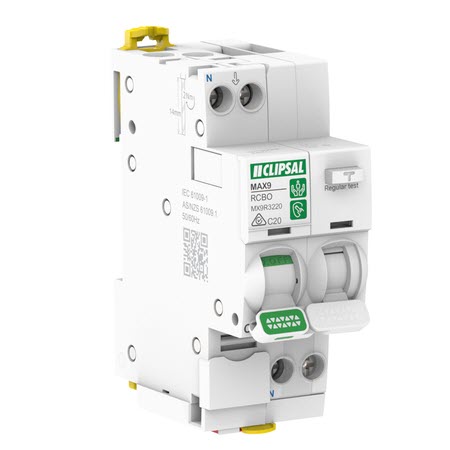
Clipsal: The trade favourite. Clipsal RCBOs are known for durability. The ResiMAX range suits most homes. MAX9 offers slim design.
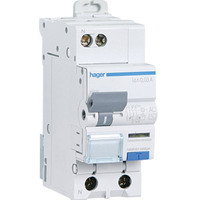
Hager: European engineering adapted for Australia. Hager RCBOs pack features into compact modules. Popular with builders focused on space.
Schneider: Part of the global Schneider Electric group. Strong in industrial settings. Good for projects requiring extensive documentation.
All three meet Australian standards. Choice often comes down to electrician preference, switchboard brand, and project specs.
RCBO Applications: Where RCBOs Are Required in Australia
RCBOs are used wherever extra safety is required or regulations demand it.
Outdoor Power Points
All outdoor GPOs need RCBO or RCD protection. Weather exposure increases shock risk. RCBOs provide individual circuit protection without affecting indoor power.
Pool and Spa Surrounds
Water and electricity demand maximum protection. AS/NZS 3000 requires RCD protection. RCBOs give dedicated safety for pool equipment.
Bathroom and Laundry Circuits
Wet area regulations require earth leakage protection. RCBOs on bathroom and laundry circuits prevent nuisance trips from affecting the whole house.
Kitchen Appliances
Modern kitchen circuits benefit from RCBOs. Dishwashers and fridges can develop earth faults over time. Individual protection prevents loss of all kitchen power.
Air Conditioner Circuits
Split system air conditioners run dedicated circuits. RCBOs protect the high-current load and prevent faults affecting other circuits.
Workshop and Garage
Power tools create a higher fault risk. Workshop circuits with RCBO protection keep the house powered if a tool fails.
EV Charger Installations
Electric vehicle chargers require Type B RCBO protection. This handles DC injection from vehicle charging systems.
RCBO Installation Requirements Under AS/NZS 3000: Australian Electrical Safety Standards Explained
RCBO installation must comply with AS/NZS 3000:2018 Wiring Rules.
Licensed Electrician Required
Only licensed electricians can install RCBOs in Australia. DIY installation is illegal and dangerous. It voids insurance and creates liability.
Key Installation Requirements
Mounting: RCBOs fit standard DIN rails in switchboards. They must clip securely with a proper busbar connection.
Load Neutral Connection: The neutral wire must pass through the RCBO. An incorrect neutral connection causes nuisance tripping.
Correct Rating: RCBO current rating must match or exceed circuit breaker requirements. Common ratings: 10A, 16A, 20A, 25A, 32A.
RCD Sensitivity: Standard is 30mA for shock protection. Some applications use 10mA (extra sensitive) or 100mA (fire protection only).
Testing: RCBOs have a test button. Press monthly to verify operation. Licensed electricians test with specialised equipment during installation.
Labelling: Circuits must be clearly labelled. This helps during faults and maintenance.
Australian Standard Requirements
AS/NZS 3000:2018 mandates RCD protection (RCBO or RCD) for:
- Socket outlets in domestic premises
- All outdoor socket outlets
- Circuits in bathrooms and wet areas
- Caravan and camping electrical connections
- Construction sites and temporary installations
AS/NZS 61009 covers RCBO performance standards. This ensures devices meet safety thresholds for Australian conditions.
Important Compliance Note
Always use licensed electricians and obtain proper certifications.
Why Does My RCBO Keep Tripping? Common Causes and How to Fix Them
RCBOs trip for good reasons. Understanding why helps prevent repeat faults.
Earth Fault Tripping
The most common cause. Current is leaking to earth somewhere in the circuit.
Check: Unplug all devices. Reset RCBO. Plug devices back in one at a time. The faulty device causes an immediate trip.
Common culprits: Old appliances, damaged cables, water ingress, and pest damage to wiring.
Overload Tripping
Too much current for the RCBO rating.
Check: Add up the wattage of everything on the circuit. Divide by voltage (230V) to get amps. If it exceeds the RCBO rating, you have an overload.
Solution: Spread load across multiple circuits or upgrade RCBO rating (requires an electrician assessment).
Short Circuit Tripping
Instant trip, usually with a bang or flash.
Cause: Live and neutral wires are touching directly. Very dangerous.
Action: Do not reset. Call a licensed electrician immediately. Short circuits can cause fires.
Nuisance Tripping
RCBO trips with no apparent fault.
Possible causes:
- Cumulative earth leakage from multiple old appliances
- Moisture in outdoor circuits after rain
- Faulty RCBO needing replacement
- Incorrect neutral connection at installation
Action: If trips persist, get electrical testing. Insulation resistance testing finds hidden faults.
A catch for young players trying to reset their RCBO
Do not just turn the switch off; you must unplug the appliance. Otherwise, the neutral and earth are still connected, and if that appliance is faulty, it will keep the RCBO tripped.
Specialty RCBOs Explained: Type B, D-Curve & High-Sensitivity Options for Specific Applications
Three Phase RCBOs
Three phase RCBOs protect industrial and commercial circuits. They monitor all three phases plus neutral for earth leakage.
Common in workshops, commercial kitchens, and industrial machinery. Available in higher current ratings up to 63A.
Arc Fault Detection RCBOs
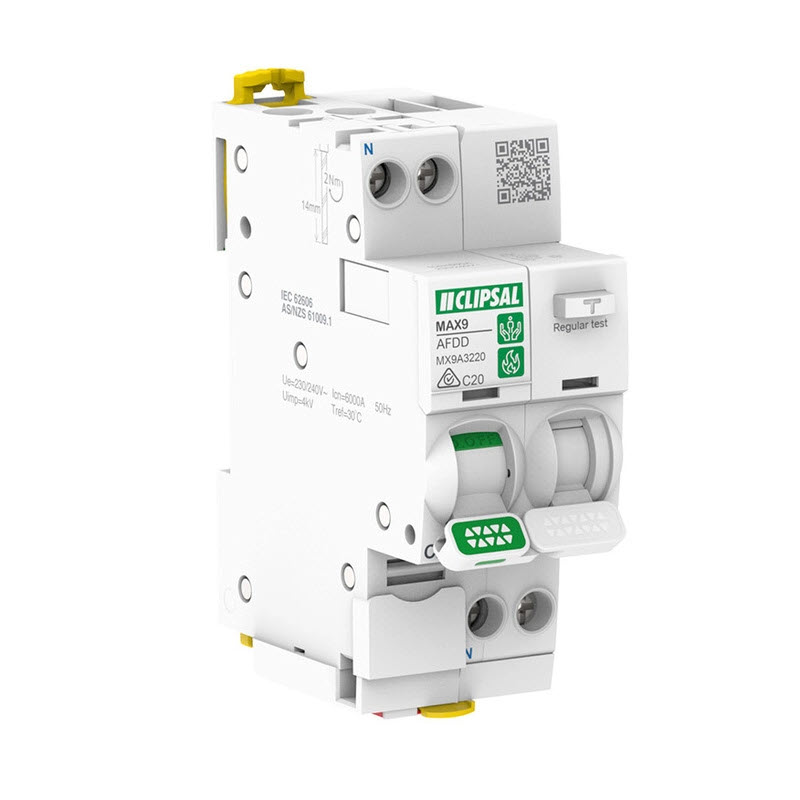
AFDD RCBOs combine standard protection with arc fault detection. They sense dangerous arcing that standard RCBOs miss.
Arcing occurs from damaged cables, loose connections, or deteriorating insulation. AFDDs prevent electrical fires before they start.
Clipsal AFDD products are gaining popularity in premium residential builds. They offer ultimate protection but cost more than standard RCBOs.
Single Pole vs Double Pole
Single pole RCBOs. They suit standard circuits.
Double pole. Required for some industrial applications.
How to Reset an RCBO
Follow these steps to safely reset a tripped RCBO.
Safety Warning
If you are unsure at any step, contact a licensed electrician. Electrical work in Australia requires appropriate qualifications.
Step 1: Identify the Tripped RCBO
Look for the RCBO switch in the middle position or with a red indicator showing. It differs from the ON or OFF positions.
Step 2: Turn Off and Unplug Appliances
Switch off and unplug all devices on the affected circuit. This includes hard-to-reach items like fridges and freezers. Water-using appliances often cause faults.
Step 3: Switch to OFF Position
Before resetting, move the RCBO switch entirely to OFF. This ensures a proper reset sequence.
Step 4: Reset to ON Position
Flip the RCBO switch to ON. It should stay in position if the fault has cleared.
Step 5: Check Operation
The RCBO should remain ON. If it trips immediately, there is a persistent fault. Do not repeatedly reset. Call an electrician.
Step 6: Reconnect Devices One at a Time
Plug devices back in individually. Wait 30 seconds between connections. If the RCBO trips, the appliance is faulty.
When to Call an Electrician
Contact a licensed electrician if:
- RCBO trips immediately after reset
- Trips occur with no load connected
- You cannot identify the faulty device
- Tripping happens frequently
- There are signs of burning or damage
Product Videos
Learn About HAGER RCBOs
Learn more by watching our HAGER ADC920T | 20Amp 6 kA Single Pole RCBO video.
Understanding Clipsal Max9
Learn about Clipsal Max9
Best Selling Clipsal Max9 RCBO
Clipsal MX9R3120 | Most commonly installed RCBO
What Our Customers Say: Real Reviews from Australian RCBO Buyers

Compatible busbar makes install a breeze.
SKU: Hager ADC920T
High quality item, super fast shipping - well packaged / protected
Placed the order for the breaker and received within 2 days
- RCBOs combine earth leakage and overcurrent protection in one device, meeting AS/NZS 3000 standards.
- Type A suits most circuits; Type B is required for EV chargers and solar systems with DC components.
- Saves switchboard space compared to separate RCD and MCB combinations
- Mandatory for outdoor power points, wet areas, and high-risk circuits in Australian installations
- Licensed electrician installation required; available from Sparky Direct with fast Australia-wide delivery
Need RCBOs for Your Project?
Shop our complete range of Clipsal, Hager, and Schneider RCBOs with expert support and fast delivery.
Shop Clipsal RCBOsShop Hager RCBOsCall 1300 001 090Article reviewed by: Licensed electrician Andrew Aranovitch (Licence #40389), with 25+ years of experience in commercial and residential electrical contracting across Queensland and New South Wales.
Industry sources: AS/NZS 3000:2018 Wiring Rules, AS/NZS 61009 RCBO Standards.
Last updated: 18 December 2025 | Sparky Direct - Australia's Leading Online Electrical Wholesaler
We guarantee Sparky Direct will save you time and money!
RCBO Frequently Asked Questions
What’s the difference between an RCD and an RCBO?
An RCD (Residual Current Device) and an RCBO (Residual Current Breaker with Overcurrent) both help keep you safe from electrical faults, but they protect against different things.
An RCD detects and cuts the power if it senses an imbalance in the electrical current — this protects you from electric shock and prevents fire caused by earth faults. An RCBO, on the other hand, combines the protection of an RCD and a circuit breaker in one unit. It not only detects earth leakage but also protects against overloads and short circuits. In short, an RCBO gives you more complete protection in a single device, making it a practical choice for every electrical installation.
Are 3kA RCBOs still compliant with Australian standards?
A 3kA RCBO can be used in installations where the prospective short-circuit current does not exceed 3kA, as long as it meets AS/NZS 61009 standards and is a Type A device.
4.5kA or 6kA ensures safety under fault conditions. The higher the rating, the safer the device can handle a short-circuit without failing.
6KA is generaly recommended on all new installations
Why choose a 6kA RCBO over a 4.5kA one?
How do I know if my RCBO meets AS/NZS 61009?
You can check if your RCBO meets AS/NZS 61009 by looking for the standard marking printed or engraved on the device itself.
It should clearly show “AS/NZS 61009” or “AS/NZS 61009.1” on the label, usually near the brand name or technical details.
If this marking is missing, the device may not comply with Australian standards. Using a compliant RCBO ensures it’s been tested for safety, performance, and reliability, giving you confidence that it will protect both people and property as intended.
Where can I buy quality RCBO safety switches in Australia?
You can find Hager, Clipsal, NLS, DL, Quicklag and other compliant RCBOs at Sparky Direct online electrical wholesaler, with fast shipping and competitive trade pricing.
What is an RCBO?
An RCBO is a safety switch that protects you from electric shock and electrical fires. It does two jobs: it stops dangerous electricity leaks (like when water touches a wire) and it stops overloads (when too much power flows through). Australia requires them in all homes.
What's the Difference Between Type A and Type B RCBOs?
Type A: Works for normal homes. Detects regular electricity leaks. Use this for lights, power outlets, and most appliances.
Type B: For homes with solar panels or electric car chargers. Detects special types of leaks those systems create. More expensive but needed for solar homes.
Simple answer: Type A for normal homes, Type B for solar/EV homes.
RCBO vs RCD vs MCB - What's the Difference?
RCBO: Does everything - stops leaks AND overloads. This is what modern homes use.
RCD: Only stops leaks (older homes had separate RCD boxes).
MCB: Only stops overloads (regular circuit breaker).
Simple answer: RCBO = two devices in one. Modern homes now use RCBOs.
Why Does My RCBO Keep Tripping?
Most common reason: It's doing its job - it found a real danger (like water touching electricity).
Other reasons:
- Too many appliances running at once (overload)
- A broken appliance (faulty kettle, toaster, etc.)
- The RCBO itself is broken (rare)
What to do: Unplug things one by one until you find the problem. If it keeps tripping with nothing plugged in, call an electrician.
What Amperage RCBO Do I Need?
16A: Lights and normal power outlets (most common)
20A: Kitchen circuits (toaster, kettle, etc.)
32A: Hot water systems
40A: Whole house protection
50A: Heavy-duty equipment
Ask your electrician - they'll know what your house needs.
Can I Install an RCBO Myself?
No. It's illegal in Australia. Only licensed electricians can touch your switchboard. Your home insurance won't cover it if you do it yourself.
Cost: About AUD $150-300 to have an electrician install one.
C-Curve vs D-Curve RCBO - What's the Difference?
C-Curve: Standard for homes. Trips when there's too much power.
D-Curve: For workshops or equipment with big startup power surges (like motors). Doesn't trip as easily.
Homes use C-Curve. Only get D-Curve if you have special equipment.
How Often Should I Test My RCBO?
Monthly: Press the TEST button. It should trip instantly. If it doesn't, call an electrician.
Why Do Bathrooms and Kitchens Need RCBOs?
Water + Electricity = Danger. If something breaks in a wet area, water can carry electricity to your body. RCBOs stop this within 30 milliseconds - fast enough to save your life.
Water conducts electricity. RCBOs protect against electric shock in wet areas.
My RCBO / Safety Switch Won't Reset - What Do I Do?
Step 1: Unplug everything on that circuit.
Step 2: Try to turn it back on. If it works, you found a broken appliance. Plug things back in one by one to find it.
Step 3: If it still won't turn on, the RCBO itself is broken. Call an electrician.
Don't force it. That's a safety device protecting your house.