
Search Results:
Search Results:
Search Results:
Search Results:
An RCBO performs two protection roles in a single DIN rail device. It detects earth leakage like an RCD safety switch, and it trips on overload or short circuit like an MCB. Clipsal MAX9 RCBOs deliver both functions in a slim format suited to residential and light commercial switchboards across Australia.
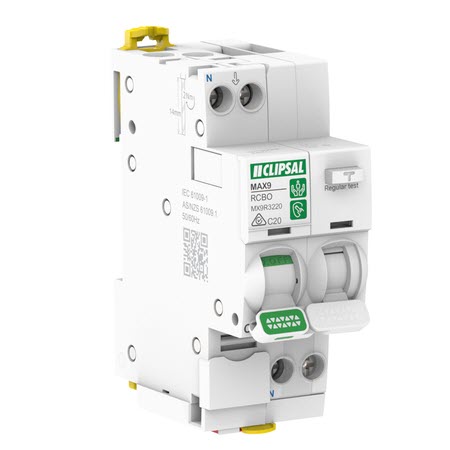
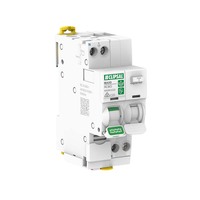
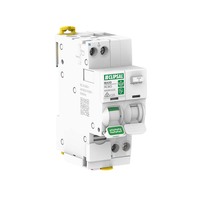
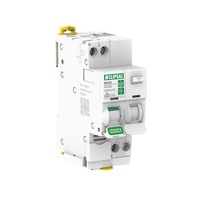
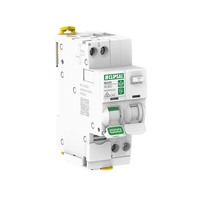
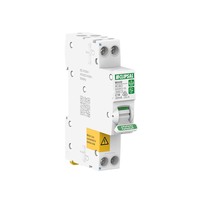
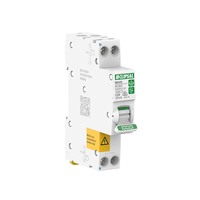
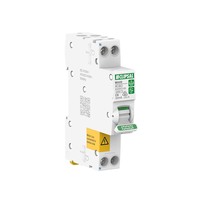
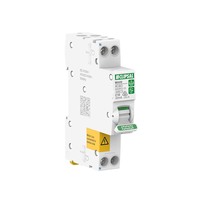
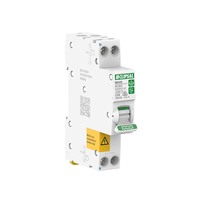
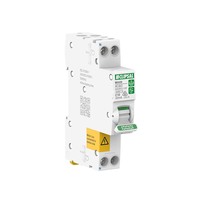
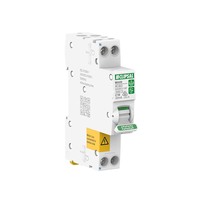
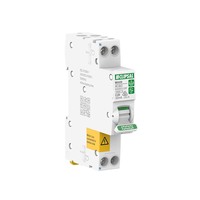
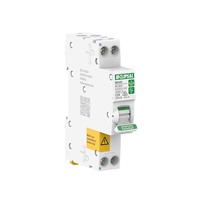
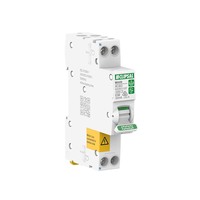
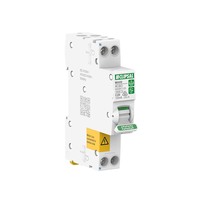
Clipsal MAX9 RCBOs are residual current circuit breakers with overcurrent protection. They are manufactured by Schneider Electric and sold under the long-established Clipsal brand. Each device is a DIN rail module designed for final sub-circuit protection inside a switchboard or distribution board.
The MAX9 range covers a wide spread of amperages, with Type A residual current sensitivity and C-Curve overcurrent characteristics. A single RCBO protects one circuit against earth leakage, overload, and short circuit faults at once.
The residual current side of an RCBO measures the difference between active and neutral conductors. When current leaks to earth and the imbalance exceeds the rated sensitivity, the device trips. This is the function that helps reduce electric shock risk.
The overcurrent side responds to circuit overload or a short circuit. It uses a thermal element for sustained overcurrent and a magnetic element for fast-acting short circuit protection. Testing and fault diagnosis remain licensed electrician work.
Using individual RCBOs gives each circuit its own protection rather than grouping several circuits behind one shared safety switch. A fault on one circuit does not take out unrelated circuits, so lights stay on when a power circuit trips. This improves fault isolation and makes troubleshooting easier.
Compact RCBOs also reduce DIN rail space compared with a separate MCB and RCD per circuit. Switchboard layouts stay tidier, and there is room for spare modules or future surge protection.
The Clipsal MAX9 and Resi MAX circuit protection family covers a complete switchboard ecosystem. RCBOs sit alongside main switches, MCBs, surge protection devices, busbars, and enclosures within the same compatible system. This makes specification and stocking simpler.
The MAX9 RCBO range includes common ratings of 10A, 16A, 20A, 25A, 32A, and 40A. Typical applications include 10A lighting circuits, 16A or 20A general power circuits, and 25A or 32A higher-demand circuits where cable and design support it.
The protective device rating must match the circuit current-carrying capacity, design current, and cable selection. Final selection is a licensed electrical design decision under AS/NZS 3000.
30mA residual current protection is the standard sensitivity for personal protection in Australian final sub-circuits. It is designed to disconnect supply quickly when current leaks to earth, reducing electric shock risk.
Residual current protection does not replace correct cable sizing, earthing, MEN connection integrity, or competent installation practice. RCBOs are one layer in a properly designed switchboard, not a substitute for good wiring.
Type A devices detect both AC residual current and pulsating DC residual current. This matters because many modern loads contain electronic power supplies, variable speed drives, induction cooktops, and similar circuits that produce non-sinusoidal earth leakage.
Some EV charging circuits and certain solar inverter setups may need additional Type B protection or other specialist assessment. The right device is decided by the electrician with reference to the equipment installation instructions and AS/NZS requirements.
C-Curve devices tolerate moderate inrush currents typical of mixed lighting, power, and small appliance loads in homes and light commercial sites. They trip on sustained overload and act quickly on short circuit, without nuisance tripping during normal motor or lamp start-up.
B-Curve devices are more sensitive and suit purely resistive loads. D-Curve devices tolerate high inrush from transformers or large motors. For most domestic final sub-circuits, C-Curve is the default choice.
RCBO selection is a layered decision involving amperage, pole configuration, trip curve, residual current type, breaking capacity, and switchboard fitment. Each layer affects safe operation and compliance.
The protective device must not exceed the current-carrying capacity of the cable. Typical examples include:
Cable derating for grouping, ambient temperature, installation method, and run length can shift the right rating up or down. These calculations belong with the licensed electrician designing the installation.
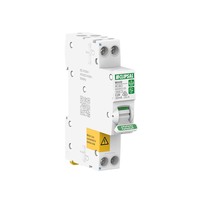
A 1P+N RCBO provides active conductor protection with a switched neutral. The neutral is isolated when the device trips, which suits most single-phase final sub-circuits. The MAX9 SLIM range achieves this in a single DIN module width.
Double-pole devices switch both conductors with full protection on the active side. Three-phase loads require suitable multi-pole protection such as 4 Pole MCB/RCD combinations rather than single-phase RCBOs.
Breaking capacity describes the maximum fault current a device can interrupt safely. MAX9 RCBOs are rated for residential and light commercial switchboard environments. Larger commercial and industrial sites need the breaking capacity verified against the available fault level.
Upstream protection coordination matters too. The RCBO must operate before damage occurs, and selectivity with main switches and downstream devices should be confirmed by the electrician.
MAX9 suits new switchboards and major upgrades where compact layout, modern Type A sensitivity, and full Clipsal ecosystem compatibility matter. Older switchboards built around earlier Clipsal protection ranges may keep range consistency for service reasons. Within a single switchboard, sticking to one range simplifies future maintenance.
The Australian Wiring Rules govern how RCBOs are selected, installed, tested, and documented. New and altered final sub-circuits commonly require 30mA residual current protection in homes and many commercial sites.
AS/NZS 3000 sets the framework for residual current protection on final sub-circuits, with Type A sensitivity expected for most new installations. The current edition and amendments must be applied. State and territory variations can affect documentation and certification requirements.
Upgrading from older fuse wire, shared RCD layouts, or MCB-only boards often improves both safety and convenience. A fault on one appliance circuit no longer disconnects unrelated lighting or power. Older fuse wire arrangements lack the personal protection a 30mA RCBO provides.
A licensed electrician should assess enclosure capacity, earthing, MEN connection, and existing cable condition before specifying a full RCBO retrofit.
Medical centres, aged care, offices, retail, and commercial kitchens benefit from per-circuit protection. Continuity of unaffected circuits matters during fault investigation, and troubleshooting is simpler when each circuit is individually metered and protected.
Heavier industrial loads, motor starting, and three-phase distribution often need different protection ranges and engineering specification beyond standard RCBOs.
Switchboard work is not a DIY task in Australia. Licensed electricians carry out installation, RCD trip-time testing with calibrated equipment, and the compliance paperwork that confirms the work meets standards.
Three device types protect electrical circuits, and they are easy to confuse. Each handles a specific risk, and an RCBO combines the roles of the other two in one module.
A residual current device protects against earth leakage. It detects current escaping to earth and trips quickly to reduce shock risk. An RCD on its own does not protect against overload or short circuit unless paired with a separate MCB.
A miniature circuit breaker protects cables and equipment against overload and short circuit. It does not provide residual current protection. An MCB-only circuit has no personal protection against electric shock from earth leakage.
An RCBO combines both functions in one module. It detects earth leakage and trips on overload or short circuit. Per-circuit independence is the main practical advantage, with each circuit protected by its own device.
| Device | Earth leakage | Overload | Short circuit | DIN modules typical | Best use case |
|---|---|---|---|---|---|
| RCD (safety switch) | Yes | No | No | 2 to 4 | Shared earth leakage protection across grouped circuits |
| MCB (circuit breaker) | No | Yes | Yes | 1 to 3 | Cable and equipment protection without earth leakage cover |
| RCBO | Yes | Yes | Yes | 1 to 2 (SLIM 1 module) | Per-circuit combined protection in modern switchboards |
Physical fitment matters as much as electrical specification. A wrong busbar choice or unexpected enclosure depth can hold up a job at fit-off, so checks happen before ordering.
MAX9 RCBOs are designed for standard 35mm DIN rail switchboards. Available module space, switchboard cover compatibility, and existing device layout should be confirmed against the latest catalogue data. The SLIM single-module RCBO is useful in crowded retrofit boards where standard double-module devices will not fit.
Larger projects often need full distribution boards or dedicated electrical switchboards with planned module capacity.
Not all busbars suit all device ranges. MAX9 RCBOs are designed for the MAX9 busbar system, which includes 1P+N and three-phase variants. Matching the busbar, RCBOs, MCBs, main switches, and accessories to the same range reduces fitment risk.
Before placing an order, check the catalogue number, range, pole count, and terminal orientation. Insulated busbars reduce shrouding work compared with bare bar arrangements.
Good switchboard layouts plan for labelling, logical grouping, spare module capacity, and an accurate circuit schedule. Future expansion is easier when spare DIN rail space is left during the original install. Related products include main switches and isolators and surge protection devices that share the MAX9 footprint.
Several brands supply RCBOs to the Australian market. Each has strengths in specific switchboard ecosystems, and the best choice often depends on existing site standards or project specification.
Both Clipsal and Hager are recognised across Australia. Comparison criteria worth weighing include:
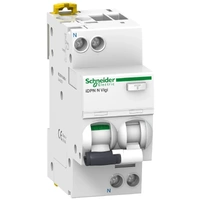
The Hager RCBO range is commonly chosen where existing Hager switchboards are being maintained. MAX9 is often chosen where Clipsal is the established site standard.
Brand selection on a project usually reflects existing site standards, engineering specification, spare parts strategy, certification, and local stock. Consistency across a switchboard simplifies maintenance years later. Mixing brands within a single board can cause physical fitment, busbar, and cover alignment issues.
Adjacent brands stocked at Sparky Direct include NHP, Eaton, Legrand, and Siemens.
Total installed cost matters more than the cheapest unit. Labour time, stock reliability, warranty support, and reduced return visits all affect the real cost of a switchboard build. The right compliant device, available when needed, often beats a cheaper unit that arrives late or fails coordination.
Sole traders, contractors, and switchboard specialists buy RCBOs online to plan jobs in advance and avoid wholesaler trips between site visits. A clear specification and a complete order list speed up fit-off considerably.
Confirming the manufacturer datasheet before purchase avoids returns from mismatched busbar systems or terminal orientations.
Real-time stock visibility, transparent trade pricing, and dispatch reliability matter to sole traders and small contractors. Buying from a reputable Australian electrical supplier supports genuine product warranty handling and compliance documentation. Value-focused buying beats the cheapest-only approach when warranty or replacement comes into play.
Order complete circuit schedules in one transaction where possible. This avoids range mismatches across deliveries and reduces the risk of delayed fit-offs. Many contractors keep spares of common ratings such as 16A, 20A, and 32A for maintenance work.
Related items often added to the same order include electrical contactors, circuit breaker lockout devices, and lockout tags.
Householders and facility managers often want to know why an RCBO has tripped and what action is safe to take. The general rule is simple: reset once, and call an electrician if it trips again.
Repeated tripping points to a circuit issue, not a faulty device in most cases. Common causes include:
Bypassing or wedging an RCBO closed is dangerous. Repeated tripping should be investigated by a licensed electrician.
The test button on an RCBO confirms that the residual current trip mechanism still operates. Pressing it should trip the device cleanly. Manufacturer guidance and electrician advice cover how often to test, and routine checking is good practice.
The test button does not replace formal RCD trip-time testing carried out by an electrician with calibrated equipment.
Replacement is needed when the device fails to reset after a fault is cleared, shows physical damage or heat discolouration, fails formal testing, or trips repeatedly with no identifiable load problem. Replacement must match the rating, residual current sensitivity, pole configuration, and circuit requirements, and the work is done by a licensed electrician.
Club Clipsal is Australia's largest electrician community offering trade rewards, business support, and exclusive benefits. When you nominate Sparky Direct as your preferred wholesaler, we automatically apply your Clipsal spend points to your Club Clipsal account daily.
Entry-level offering coaching, mentoring, and training discounts
Unlock exclusive industry tools and networking events
Access Toyota fleet offers and business software discounts
Maximum benefits, including VIP experiences and rewards
1. Sign Up: Create your Club Clipsal account at clipsal.com/club-clipsal or via the iCat mobile app
2. Nominate Sparky Direct: Select Sparky Direct from the wholesaler dropdown menu in your profile
3. Add Email: Enter your Sparky Direct account email address in the membership number field
4. Start Earning: Every dollar spent on Clipsal products earns points automatically
Redeem points from the rewards store, including gift cards, tools, and experiences. Access business summits, product training, and industry networking events. Receive early access to new product launches and special promotions. Connect with fellow electricians via the Club Clipsal community app.
Watch Clipsal MX9R1106 | 6A MAX9 RCBO 1PN C | 10mA Type A SLIM video
Watch HAGER ADA916T | 16 Amp 2 Pole 6kA | 30mA RCD/MCB RCBO video
Watch HAGER ADA932T | 32 Amp 2 Pole 6kA | 30mA RCD/MCB RCBO video

Super easy to install, looks real professional definitely worth extra $ for the look and ease of product. The shipping being all the way in Tassie was fast only 3 days and it was here
Finally a double pole, single module 10mA RCBO at a reasonable price, perfect for providing protection for cleaners outlets in a medical installation
It’s slimline feature is an asset because it helps keep your board neat and tidy which aide’s the ability to fault find if needed A great product.
Quality products in stock • Fast Australia-wide delivery • Competitive trade pricing
Browse Clipsal RCBO → Get Expert Advice →