
Search Results:
Search Results:
Search Results:
Search Results:
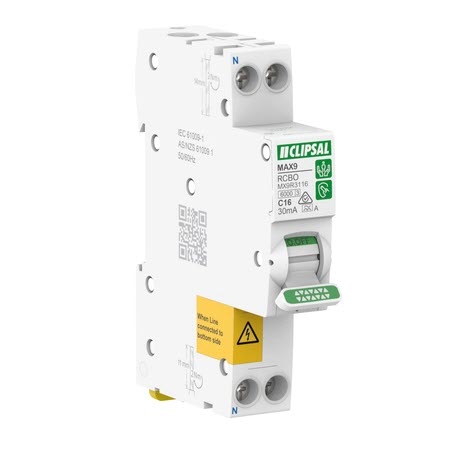
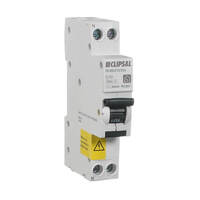
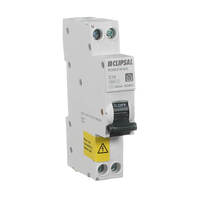
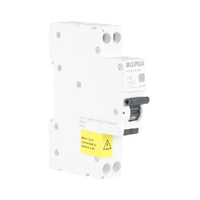
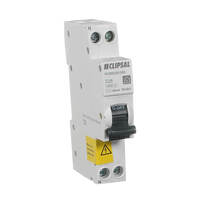
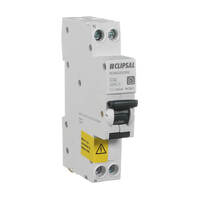
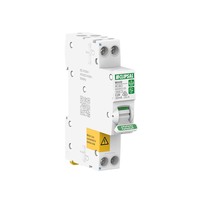
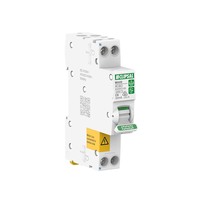
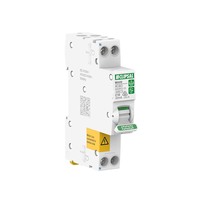
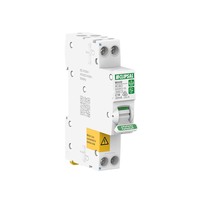
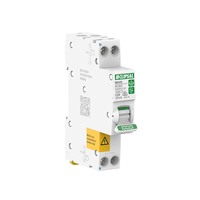
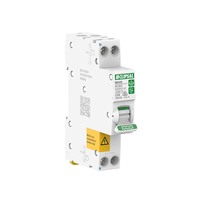
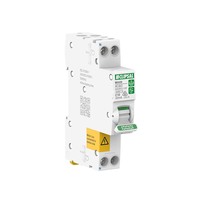
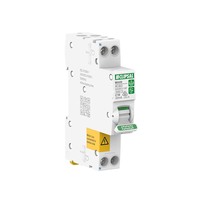
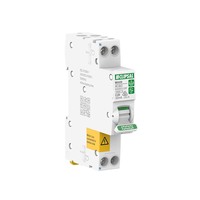
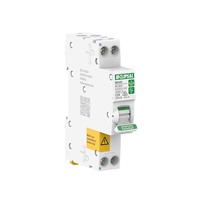
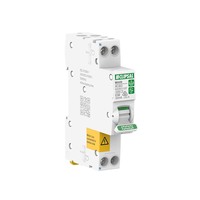
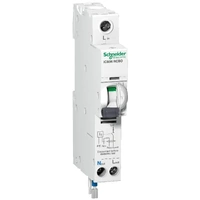
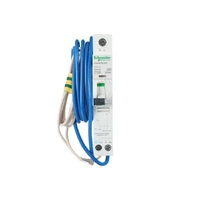
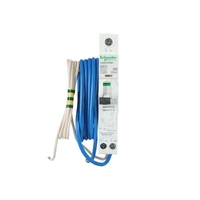
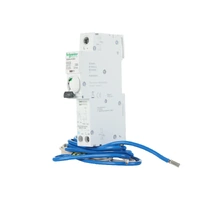
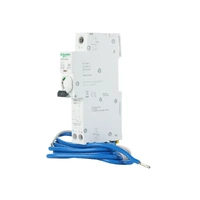
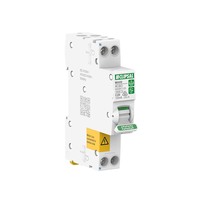
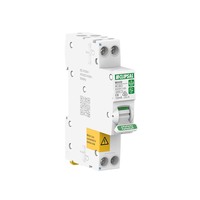
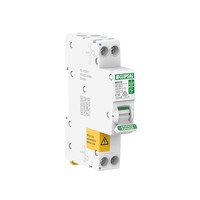
Find the best Clipsal single pole RCBO's here at Sparky Direct. [ Read More ]
A single pole RCBO protects one active conductor with both residual current and overcurrent functions in a single module. Each circuit gets its own dedicated protection, instead of grouping several circuits behind one shared safety switch. This approach suits common 230V single-phase Australian circuits used for lighting, power points, and dedicated appliances.
An RCBO continually monitors current flow between active and neutral. When earth leakage exceeds the trip threshold, typically 30mA for personal protection, the device disconnects within milliseconds. The same device also trips on overload or short circuit, taking over the role of a standard MCB and removing the need for a separate breaker.
The practical benefit is faster fault isolation and fewer whole-board nuisance trips. If a faulty appliance causes leakage on the kitchen circuit, only the kitchen RCBO trips. Lighting, fridges, and the rest of the home stay live. This is a major change from older boards that relied on one shared RCD for many circuits.
To compare the three device types: an MCB handles overload and short-circuit protection only, an RCD handles earth leakage only, and an RCBO combines both in one DIN rail unit. This improves switchboard neatness, frees up board space, and makes diagnosis quicker for the licensed electrician on site.
Fixed switchboard work must be completed by a licensed electrician. DIY switchboard changes are unsafe and illegal under Australian law. The sections below cover product ranges, compliance, selection, and buying considerations so trade buyers and informed homeowners can make confident decisions.
Clipsal supplies single pole RCBOs across two main families used in Australian switchboards. The MAX9 range is the newer compact platform, while the Resi MAX range is widely installed across residential boards. Buyer decisions usually come down to current rating, residual current type, trip curve, module width, and busbar compatibility.
The MAX9 range is a compact protection platform built for modern switchboards and upgrades. Single pole MAX9 RCBOs are available in common ratings including 6A, 10A, 16A, 20A, 25A, 32A, and 40A across the C-curve options. C-curve suits the bulk of residential and light commercial loads, including general lighting, power circuits, and dedicated appliance circuits.
MAX9 SLIM RCBOs offer single-module width, which frees DIN rail space for more circuits on the same board. The range pairs with the MAX9 busbar system, cutting wiring time during switchboard installation and upgrade work. Browse the full Max9 circuit breakers range for matching MCBs and isolators.
The Resi MAX range covers single pole plus neutral RCBOs with 4.5kA breaking capacity, suited to typical Australian residential prospective fault currents. Slim form factor matters in crowded switchboards where a separate RCD would force board expansion or replacement.
Retrofit work often benefits from slim RCBOs. Older boards regularly run out of DIN rail space, and replacing shared RCD protection with individual RCBOs would otherwise need a larger enclosure. Single-module RCBOs preserve existing board layouts on most retrofits.
Type A RCBOs detect both AC residual currents and pulsating DC residual currents. Modern electronic loads such as LED drivers, EV chargers, inverter air conditioning, and variable speed drives often produce pulsating DC leakage. Type AC devices detect AC only, which limits their effectiveness on these loads.
Always check the product datasheet, the AS/NZS 3000:2018 requirements, and the connected equipment specifications. Many MAX9 single pole RCBOs are Type A by default, supporting modern installations without separate Type A selection.
Compliance is a buying decision, not a technical footnote, because selecting a non-compliant device or one that does not match the circuit context creates safety risk and may invalidate insurance or warranties. The product, the installation, and the documentation all sit under the same regulatory framework in Australia.
AS/NZS 3000:2018, the Wiring Rules, requires RCD protection on final sub-circuits in new residential installations. The standard covers socket outlets, lighting circuits, and dedicated circuits within scope. RCBOs are a common way to provide individual residual current and overcurrent protection on each circuit.
The licensed electrician assesses the circuit layout, expected loads, and installation context. The right device is chosen based on the published Wiring Rules and the manufacturer datasheet for the specific product.
RCD protection on final sub-circuits is required by AS/NZS 3000:2018. RCBOs are a preferred practical method but not the only configuration permitted. A shared RCD bank can also provide compliant residual current protection in many cases.
Modern boards now use individual RCBOs in most new builds because they improve fault selectivity and reduce nuisance tripping. Only the affected circuit trips, rather than several circuits behind one shared RCD. The exact configuration is the electrician's call based on the installation requirements.
Installation, replacement, testing, and switchboard alteration must be performed by a licensed electrician in every Australian state and territory. DIY switchboard work is unsafe, illegal, and likely to void insurance and compliance documentation.
Buying RCBOs from a reputable Australian wholesaler keeps the supply chain traceable, supports warranty claims, and provides genuine product documentation for the certificate of compliance.
A practical selection framework covers amperage, trip curve, residual current sensitivity, residual current type, breaking capacity, and physical compatibility with the board. Each factor narrows the device choice to the right Clipsal single pole RCBO for the job.
Typical residential use cases include 10A on lighting circuits, 16A or 20A on power point circuits, and 25A or 32A on dedicated appliance circuits such as ovens, hot water systems, or split system air conditioning. The RCBO rating must not exceed the current-carrying capacity of the cable.
Oversizing the RCBO to prevent nuisance tripping creates a serious safety risk. If the cable cannot handle the higher fault current, an oversized device may fail to disconnect before the cable insulation degrades. The cable rating sets the upper limit, not the load.
Single pole RCBOs are commonly used on lighting circuits where independent protection helps avoid total light loss during a fault. Power point circuits, wet area circuits, and outdoor circuits also benefit from dedicated RCBO protection because of higher leakage risk.
Kitchen appliances, laundry circuits, EV chargers, and air conditioning often run on dedicated RCBOs sized to the appliance. Always check the circuit schedule, load characteristics, and any manufacturer-specific protection requirements before final selection.
A 30mA residual current sensitivity is the standard threshold for personal protection on general circuits. A 10mA sensitivity is used on medical and high-risk applications where greater protection is required.
B-curve and C-curve describe how quickly the device trips on overload. C-curve suits most residential and light commercial loads, including motor circuits with moderate inrush. B-curve is selected for resistive and lighting loads with low inrush. Refer to Clipsal model-specific datasheets to confirm the curve.
Breaking capacity is rated in kA, with a 6kA or 10kA rating handling typical Australian residential prospective fault current. Commercial and industrial installations may require higher kA ratings based on the calculated fault current at the board.
Single pole RCBOs are the default specification for many modern Australian residential and light commercial boards. The benefits run across contractor workflow, customer experience, and ongoing maintenance.
A fault on one circuit trips only that circuit. The fridge, freezer, alarm system, security lighting, and any medical-adjacent equipment in other rooms stay live. This continuity matters in everyday households and becomes critical for vulnerable occupants.
The switchboard layout looks more professional, and the customer handover becomes simpler. Each circuit is clearly labelled with its own protection device, making future fault finding much faster.
Diagnosing a fault on a shared RCD bank often means switching off appliances one by one to find the faulty circuit. With individual RCBOs, the tripped device identifies the affected circuit immediately. This cuts diagnostic time significantly on a callout.
Older boards with nuisance tripping benefit most from this layout. The electrician can isolate the faulty circuit without affecting the rest of the home, which improves the customer experience and reduces repeat callouts.
Slim single pole devices reduce board crowding, which helps on retrofit jobs with limited DIN rail space. Module count, busbar planning, and enclosure suitability all need to be assessed before ordering.
Heat dissipation also matters in densely packed boards, so manufacturer guidance on derating and cable routing should be followed to keep the installation reliable over its working life.
Buyers often choose the correct electrical rating but overlook physical fit. A device that suits the circuit electrically can still fail to fit the board mechanically. This checklist covers the points that matter on order day.
Most modern Clipsal single pole RCBOs mount on standard 35mm DIN rail, which is the common format across Australian switchboards. Module width is the main physical variable, with some legacy RCBOs occupying two modules while modern SLIM units fit in a single module.
Busbar alignment is brand and system-specific, so a Clipsal MAX9 busbar is designed for the MAX9 range and does not directly fit other manufacturers. Browse electrical enclosures and electric switchboards at Sparky Direct for compatible options.
New builds benefit from specifying a consistent RCBO range across the board from the start. This keeps spare parts standard and supports the busbar layout designed for that range.
Upgrades need an honest assessment of available DIN space, existing neutral bars, enclosure condition, and prospective fault level at the board. Some upgrades involve more than swapping devices and may require a new enclosure or main switch.
DIN rail devices may fit many compliant enclosures, but busbar fitment and cover alignment are usually system-specific. Always check Clipsal datasheets and the enclosure manufacturer documentation before ordering for a non-Clipsal board.
Purchasing through Australian electrical wholesalers ensures genuine product, current revision parts, and the documentation needed for the compliance certificate.
This section covers responsibilities, testing outcomes, and documentation, not procedural wiring steps, since switchboard installation is performed only by licensed electricians.
Only a licensed electrician should install or replace an RCBO. The work involves isolating the supply at the main switch, verifying dead, terminating to the correct torque, identifying each circuit, and producing the compliance documentation.
Procedural wiring instructions are not provided here, and the test button on the device is never a substitute for proper commissioning by a licensed trade professional.
Commissioning requires a calibrated RCD tester operated by the licensed electrician. The test verifies the trip current threshold and the disconnection time against AS/NZS 3000:2018 requirements. Results are recorded in the compliance paperwork.
The integrated test button confirms the mechanical and electronic trip function. It is a periodic functional check, not a substitute for the formal calibrated test at commissioning.
Most manufacturers and electricians recommend periodic test-button checks by the property owner, often every three months. Repeated tripping should be investigated by an electrician, never ignored or bypassed.
If an RCBO will not reset, the property owner should disconnect any recently used appliances on that circuit and then contact a licensed electrician. The device is doing its job by holding the circuit open until the fault is found.
This section helps property owners identify likely causes before booking a licensed inspection. It does not provide diagnostic steps for unlicensed work inside the switchboard.
Older wiring insulation, shared neutrals across circuits, moisture ingress, and historical alterations can all cause RCBO tripping after a board upgrade. Fitting RCBOs sometimes reveals existing faults that shared RCD protection had masked for years.
The electrician may need to split shared circuits, correct neutral arrangements, or upgrade sections of wiring before the new protection settles in. This is normal on older homes and reflects the higher sensitivity of modern individual protection.
Common leakage causes include faulty appliances, deteriorating outdoor lighting, garden power equipment, water ingress in external GPOs, and aged insulation in older cabling. Cumulative leakage across several connected devices can also push a circuit above the 30mA threshold.
If repeat tripping occurs after disconnecting recently added appliances, professional testing is the safest next step. Random resetting and bypassing are not safe responses to an RCBO that keeps tripping.
Overload tripping happens when the connected load exceeds the circuit rating. Common culprits include high-draw kitchen appliances on the same circuit, laundry equipment, workshop tools, and air conditioning startup loads.
Fitting a larger RCBO without confirming the cable rating is dangerous. The cable will overheat before the device trips, which is exactly the condition the protection is designed to prevent. Always confirm cable size and protection requirements before resizing.
Comparison and evaluation matter when selecting protection for a long-term installation. The factors that matter most are compliance, availability, documentation, and ongoing support across the working life of the device.
A single pole RCBO switches and protects the active conductor for standard single-phase applications, with the neutral routed through a solid link in the device. A double pole RCBO switches both active and neutral and is used where full isolation of the circuit is required.
The electrician selects based on circuit type, earthing arrangement, and AS/NZS 3000:2018 requirements. Browse the wider RCBO range for two-pole, three-phase, and arc fault detection options.
| Brand | Australian Market Position | Typical Strengths |
|---|---|---|
| Clipsal (Schneider Electric) | Dominant residential and light commercial | Wide range, MAX9 busbar system, strong distribution |
| Hager | Strong residential and commercial | European engineering, busbar systems, trade following |
| NHP and Eaton | Industrial and commercial focus | Industrial range depth, specialist applications |
Clipsal and Hager are the established Australian residential RCBO choices, and the final selection often comes down to the installed board ecosystem, the busbar in use, and trade familiarity. Compare options on the Clipsal RCBO and Hager RCBO category pages.
Unverified imported or marketplace RCBOs should be avoided for switchboard protection, since these devices are safety-critical and provenance, certification, and warranty support all matter for compliance and long-term reliability.
Clipsal is backed by Schneider Electric Australia, which provides product documentation, technical support, and a national distribution network. Clipsal products are designed and certified for Australian installations, with the certification and datasheets to support the compliance paperwork.
Buying from an established Australian wholesaler protects warranty rights and creates a clear chain of supply for compliance records. Circuit protection bought through reputable trade suppliers comes with documented provenance and current product revisions.
The commercial side of buying RCBOs matters as much as the technical side. Stock visibility, fast dispatch, genuine product, and predictable pricing all affect the trade contractor's workflow and the project timeline.
Before ordering, check the part number, amperage, residual current type, trip curve, kA rating, and module width on the Clipsal datasheet. The product page should give clear visibility of these specifications without ambiguity. This protects against substitution errors on site.
Sparky Direct product pages support fast comparison between MAX9 and Resi MAX options, with full specifications and supporting documentation available for download.
Bulk ordering supports renovation projects, switchboard upgrades, and multi-circuit board builds. Value sits beyond the unit price and includes availability, genuine product, consistent range, fewer substitutions, and reliable dispatch.
Trade pricing is competitive at Sparky Direct, and the broader Clipsal brand range can often be ordered together to consolidate freight. This reduces total project cost without compromising on product quality.
Switchboard work often runs to a tight schedule, and a delayed RCBO order can push the whole job back. Ordering from an Australian wholesaler with verified stock supports project deadlines and reduces the risk of last-minute substitutions.
Renovation work and multi-board projects benefit from consolidated bulk orders. A consistent RCBO range across the project simplifies stocking, future maintenance, and the certificate of compliance.
RCBOs are safety-critical devices and should be sourced from reputable Australian electrical wholesalers. Unverified marketplace sellers may supply counterfeit, parallel-imported, or out-of-revision devices that do not meet AS/NZS certification requirements.
Ordering online through a recognised wholesaler combines fast dispatch with full warranty backing, supports regional jobs, and handles urgent switchboard work without compromising product provenance.
The final decision becomes simpler when the technical and commercial considerations are checked off in order. This short checklist supports electricians, sole traders, builders, and informed buyers making a confident purchase.
A licensed electrician carries out the installation and commissioning. The licensed trade professional confirms switchboard condition, available DIN rail space, correct termination, calibrated testing, circuit labelling, and customer handover with the certificate of compliance.
Club Clipsal is Australia's largest electrician community offering trade rewards, business support, and exclusive benefits. When you nominate Sparky Direct as your preferred wholesaler, we automatically apply your Clipsal spend points to your Club Clipsal account daily.
Entry-level offering coaching, mentoring, and training discounts
Unlock exclusive industry tools and networking events
Access Toyota fleet offers and business software discounts
Maximum benefits, including VIP experiences and rewards
1. Sign Up: Create your Club Clipsal account at clipsal.com/club-clipsal or via the iCat mobile app
2. Nominate Sparky Direct: Select Sparky Direct from the wholesaler dropdown menu in your profile
3. Add Email: Enter your Sparky Direct account email address in the membership number field
4. Start Earning: Every dollar spent on Clipsal products earns points automatically
Redeem points from the rewards store, including gift cards, tools, and experiences. Access business summits, product training, and industry networking events. Receive early access to new product launches and special promotions. Connect with fellow electricians via the Club Clipsal community app.
Watch Clipsal RCBE232/30S | 32AMP RCBO 1P+N 4.5kA Resi MAX video
Watch Clipsal 4RCBE220/30s | 20 Amp RCBO 1P+N 6kA 30mA video
Watch Clipsal MX9R3132 | 32A MAX9 RCBO 1PN C | 30mA Type A SLIM video

I recently bought 8 Clipsal RCBO's and busbar to refurbish a sub-board, and was very pleased with the result. The way the busbar connects everything together is so much neater than short wire lengths, and the RCBO units are not tripping like the RCD's they replaced. Will be buying again from Sparky Direct, their service is good and their pricing is about 2/3 the cost of buying local. Thanks Guys.
This type A breaker was exactly what I was after for my EV charger and it works perfectly. Installation was quick and easy and compliments my other breakers on my switchboard.
These combination RCD/Breakers are a worthwhile upgrade for houses with no RCD device, or just the one device protecting selected circuits. Sparky Direct supplies these combo units at a price unequalled elsewhere in Australia. Their customer service is also first class during both the ordering process and post purchase.
Quality products in stock • Fast Australia-wide delivery • Competitive trade pricing
Browse Clipsal Single Pole RCBOs → Get Expert Advice →